Architecture Styles of Luxury Homes in California
Luxury homes in California are no longer judged by size alone. They are judged by design.
Architecture has become one of the most decisive factors in how a property performs in the market. It influences not only how a home looks, but how quickly it sells, how confidently buyers engage, and how closely it holds its price.
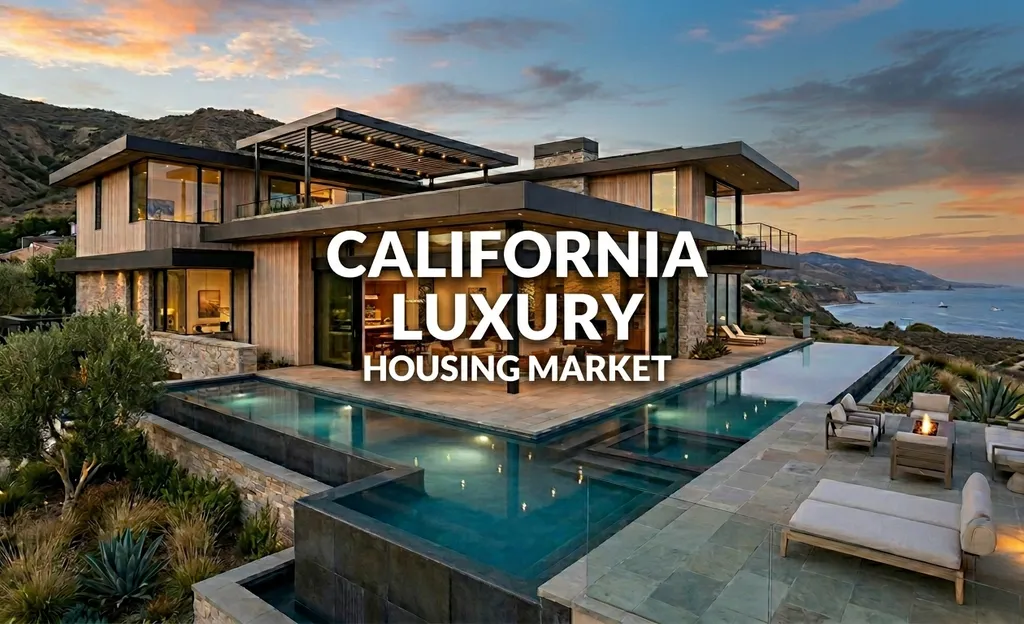
In today’s environment, architectural alignment is no longer optional. It is a requirement.
For a broader market context, see California Luxury Real Estate Market Guide.
Architecture Has Shifted From Style to Performance
Architecture used to be a matter of taste.
Today, it functions as a market signal.
Buyers are no longer asking whether a home is beautiful. They are asking whether it fits how they want to live.
Layouts, light, flow, and usability now carry more weight than decorative detail.
This shift connects directly to what drives luxury home prices in California, where product-market fit increasingly determines pricing outcomes.
Homes that align with current expectations attract strong demand. Homes that do not are filtered out early.
Buyers do not reject homes because they are expensive. They reject them because they feel outdated.
Modern Architecture Dominates Because It Reduces Friction
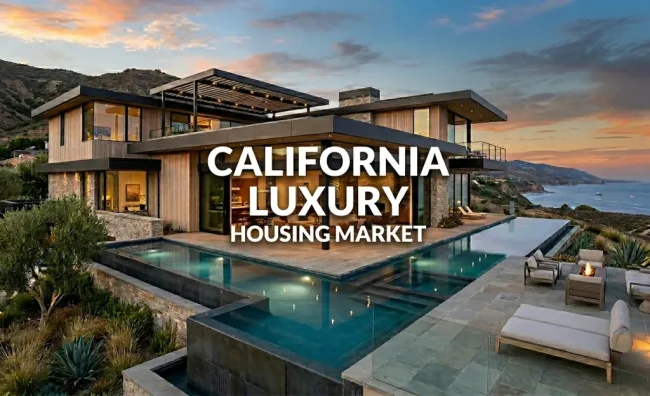
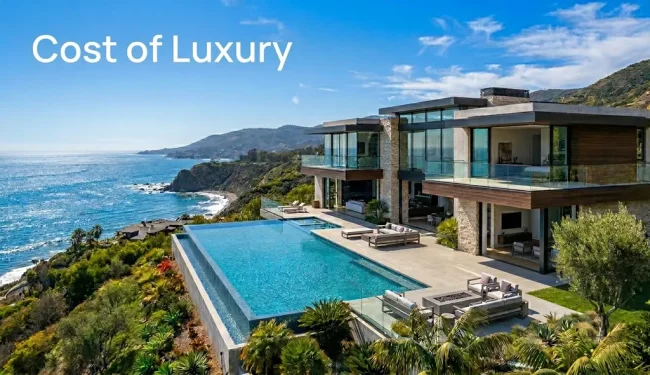
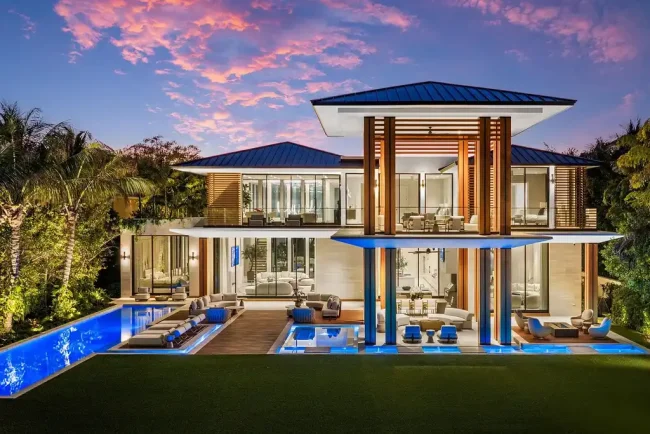
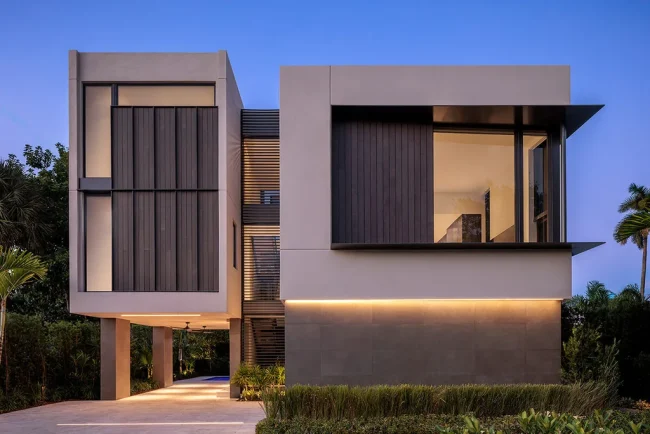
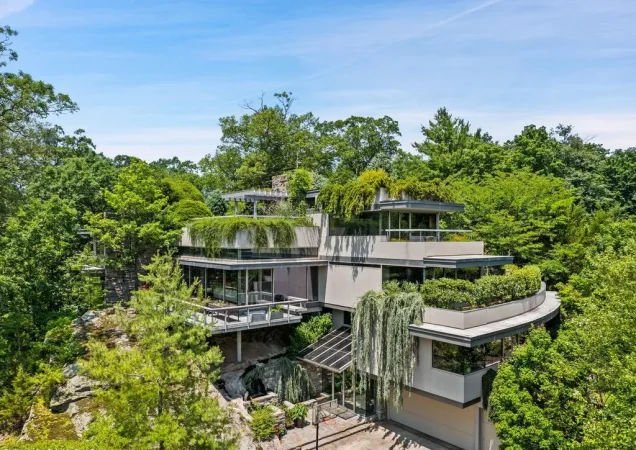
Modern and contemporary homes continue to outperform across California’s luxury market.
These properties typically offer:
- Open layouts
- Floor-to-ceiling glass
- Minimalist design
- Seamless indoor-outdoor transitions
The advantage is not aesthetic alone. It is operational.
Modern homes remove uncertainty:
- No immediate renovation required
- Clear, usable layouts
- Immediate lifestyle fit
That reduction in friction directly translates into stronger buyer engagement.
This is why modern mansions in California consistently sell faster and hold pricing more effectively than older designs.
Traditional Homes Struggle Not Because They Are Worse, But Because They Are Misaligned
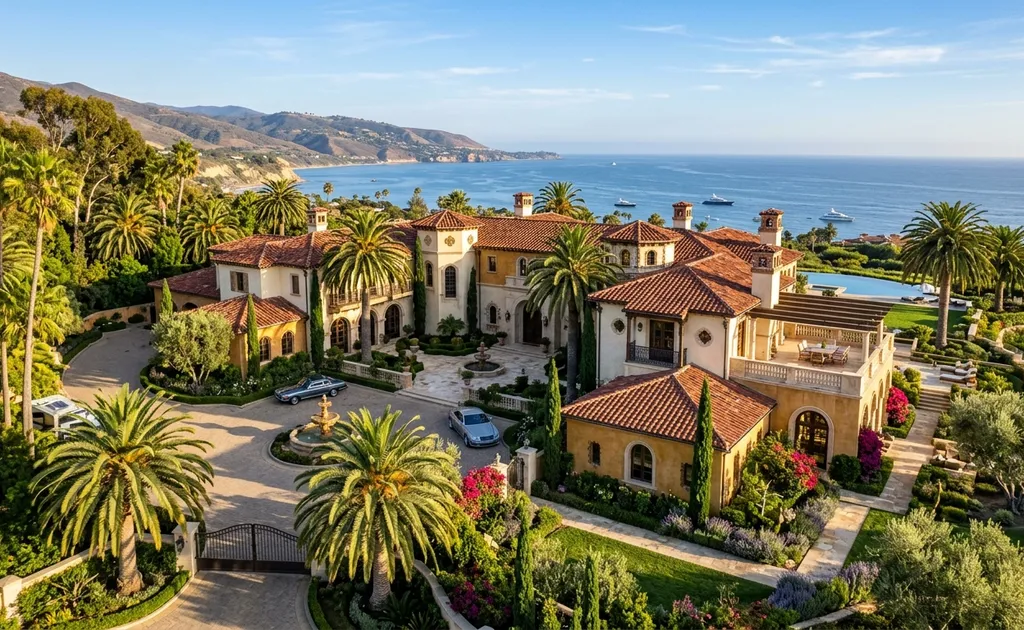
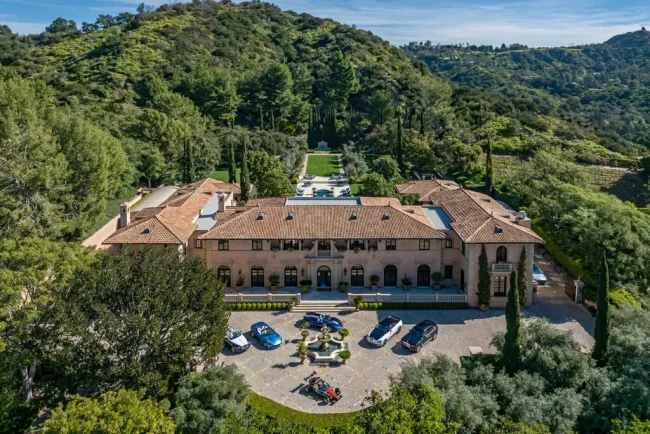
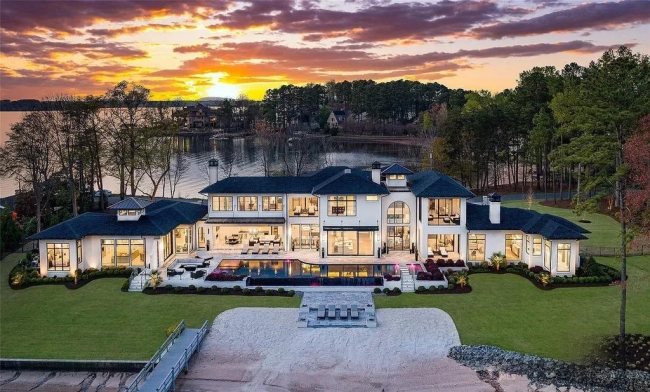
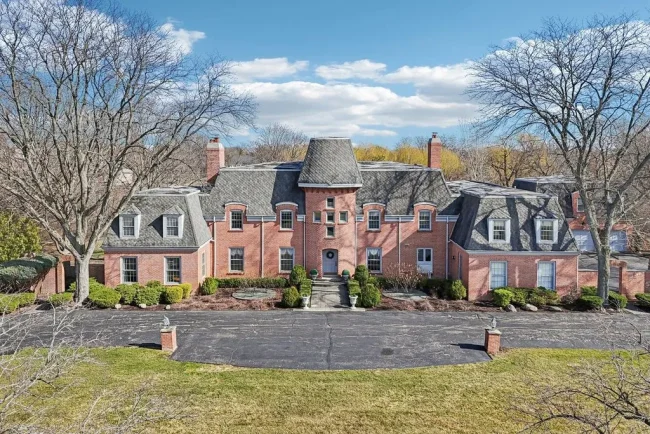
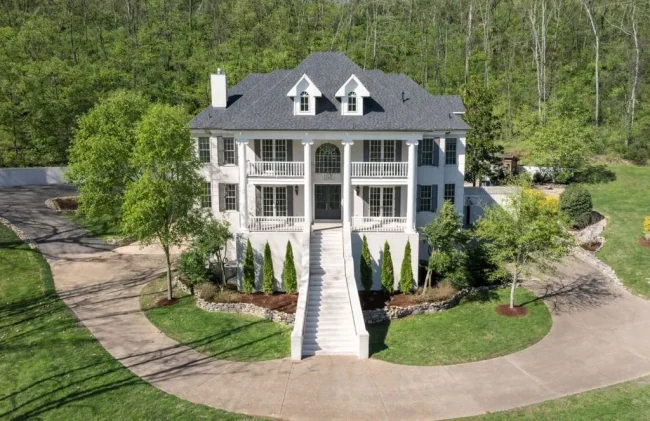
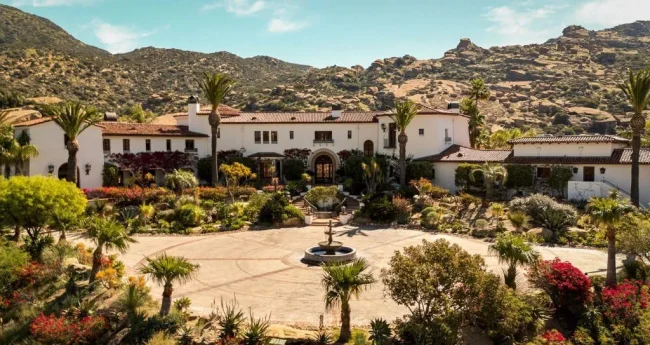
Traditional and Mediterranean estates still represent a significant portion of California’s luxury inventory.
However, they increasingly face resistance.
Common issues include:
- Compartmentalized floor plans
- Heavier visual structure
- Limited indoor-outdoor flow
These characteristics are not flaws in isolation. They are mismatches with current buyer expectations.
As a result, many of these homes:
- Take longer to sell
- Require price adjustments
- Attract a narrower buyer pool
The problem is not quality. It is alignment.
Transitional Design Exists Because the Market Needed a Bridge
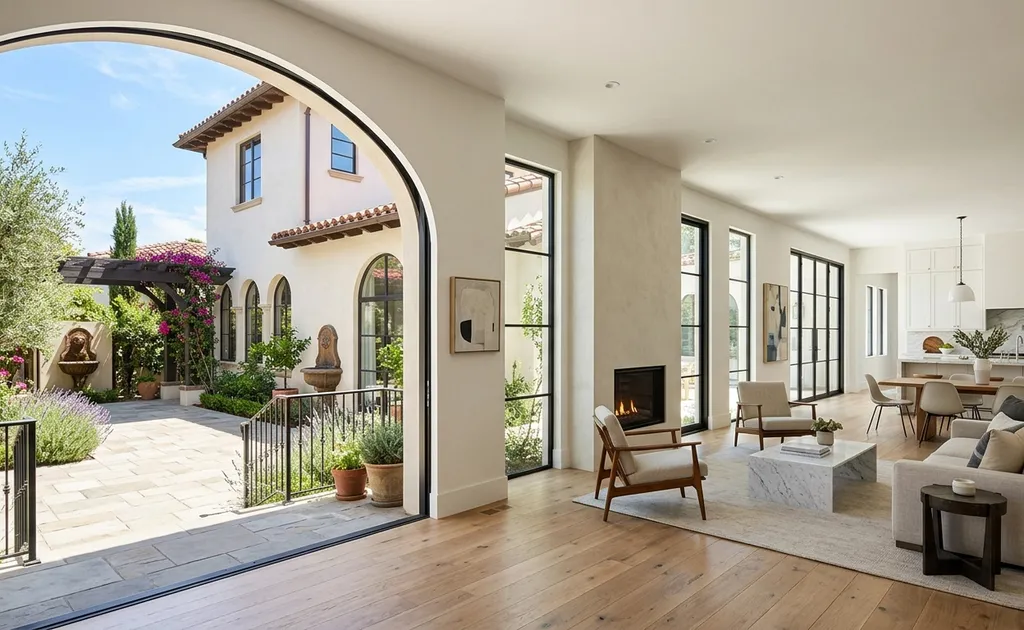
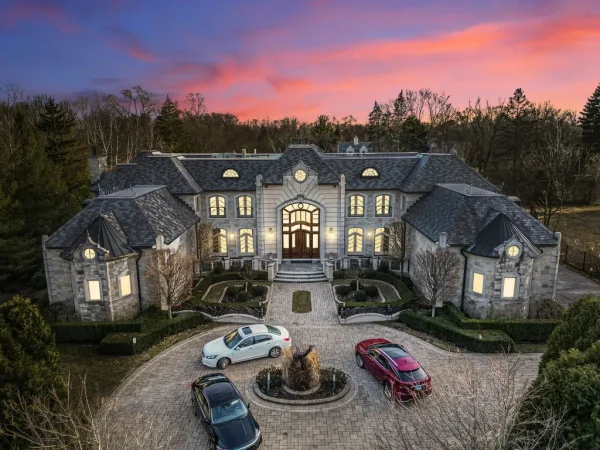
Transitional homes have emerged as a response to this shift.
They combine:
- Traditional exterior forms
- Modernized interiors
- Improved spatial flow
This hybrid approach allows properties to remain familiar while still meeting functional expectations.
In many cases, transitional homes achieve more stable outcomes than fully traditional designs, particularly in competitive submarkets.
Indoor-Outdoor Integration Is No Longer a Feature. It Is the Product
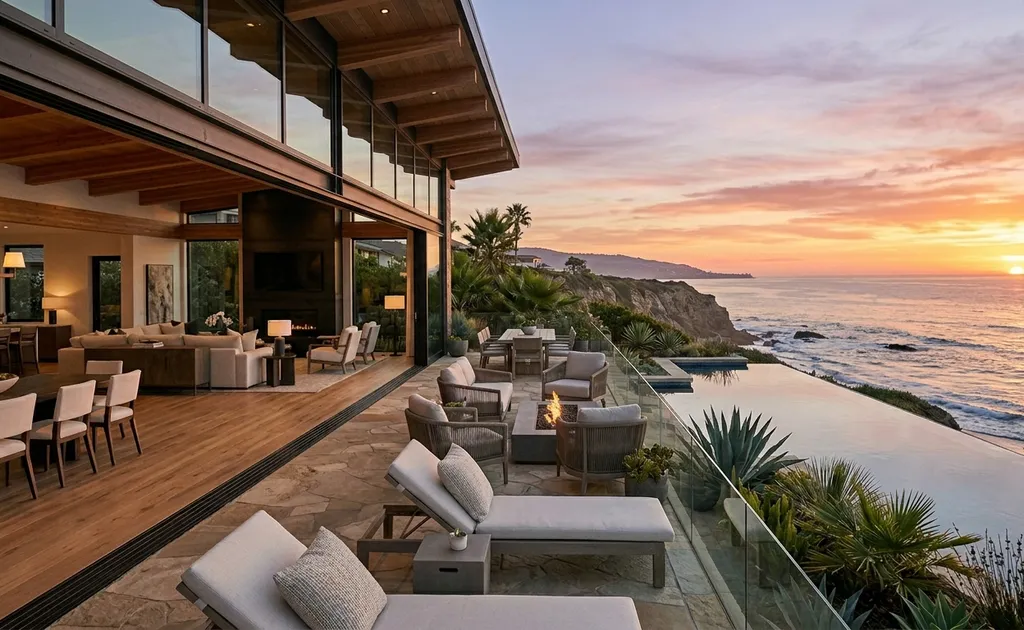
In California, architecture cannot be separated from climate.
Homes that fail to integrate outdoor space are increasingly viewed as incomplete.
Key elements now expected include:
- Retractable glass walls
- Outdoor kitchens and living areas
- Seamless visual and physical transitions
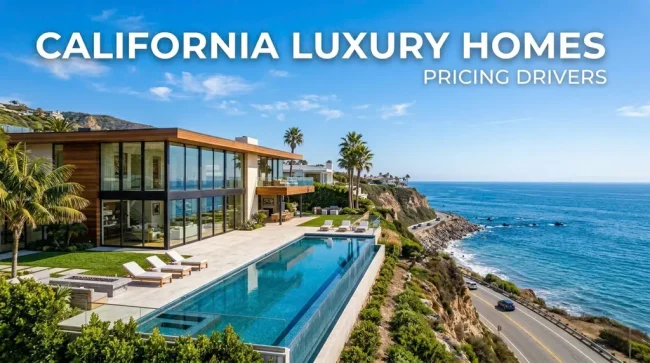
This is especially evident in oceanfront mansions in California, where outdoor space defines the entire living experience.
Two homes with similar interiors can diverge significantly in value based solely on how well they connect to the outdoors.
Real-World Comparison: Architecture and Buyer Behavior in Encino
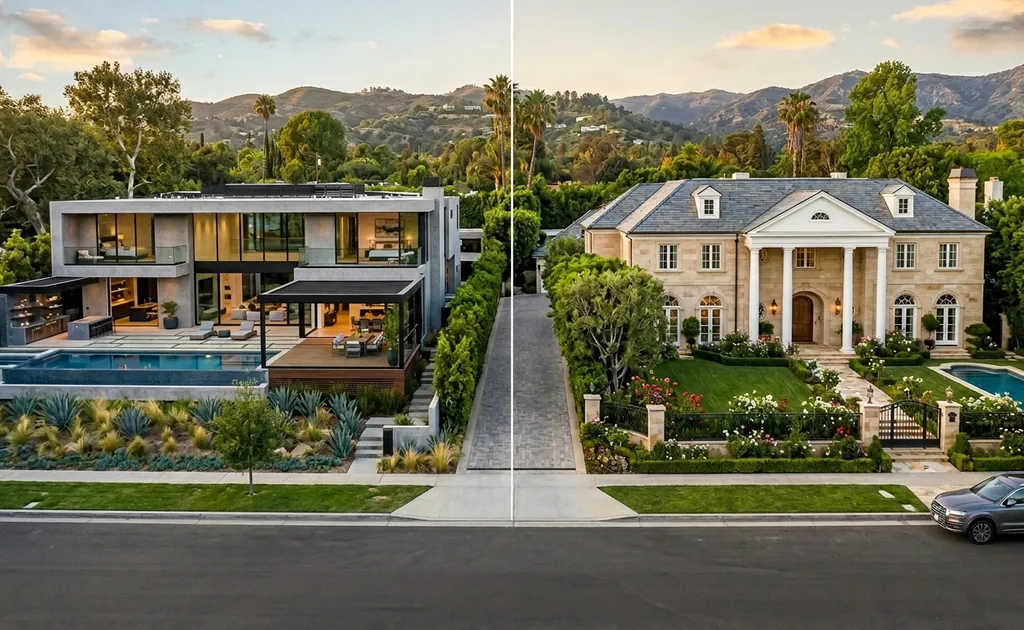
A comparison in Encino provides a clear example of how architecture affects not just pricing, but buyer behavior.
A property at 16727 Bosque Dr, built in 2007, reflects a traditional luxury layout. While still desirable, its structure introduces friction for buyers accustomed to more open, modern living.
Nearby, a property at 16711 Moorpark St, newly built in 2025, reflects contemporary design, with open spaces and stronger indoor-outdoor integration.
Both properties operate within the same neighborhood and price tier.
However, the outcomes diverged.
The newer home traded at approximately $5.20 million, while the older Bosque Drive property closed around $5.02 million.
The pricing gap is not dramatic, but it is consistent with a deeper pattern.
Buyers engage differently.
Modern homes tend to generate faster decisions and stronger initial interest. Older homes often require more time, more comparison, and more justification.
This does not always result in steep price differences. It results in differences in certainty.
And in today’s market, certainty carries value.
Architecture Now Filters Demand Before Price Even Matters
One of the most important shifts in the market is when the decision happens.
Buyers are not reaching the pricing stage with every property.
They are filtering earlier.
Architecture has become the first filter:
- If the design aligns, the home enters consideration
- If it does not, the home is dismissed before pricing is even evaluated
This pattern mirrors broader California luxury real estate market trends, where selectivity has increased across all segments.
The Market Rewards Usability, Not Statement
In previous cycles, distinctive architecture could drive demand.
Today, usability is more important than visual statement.
Buyers prioritize:
- Flow
- Light
- Functionality
- Ease of use
Design that appears impressive but lacks usability creates hesitation.
And hesitation slows transactions.
Architecture Has Become a Pricing Variable
Architecture is no longer secondary to location or size.
It directly affects:
- Buyer engagement
- Time on market
- Pricing stability
Homes that align with current expectations:
- Sell more efficiently
- Require fewer price adjustments
- Attract stronger demand
Homes that do not are forced to compete on price.
In California’s luxury market, architecture is no longer a design choice.
It is a pricing variable.