California Luxury Real Estate Market Guide
California Luxury Real Estate Overview
California continues to define the global standard for luxury real estate, where architecture, geography, and long-term investment value intersect. From oceanfront estates in Malibu to gated compounds in Beverly Hills and vineyard properties in Napa Valley, the state offers a diverse portfolio that attracts high-net-worth buyers worldwide.
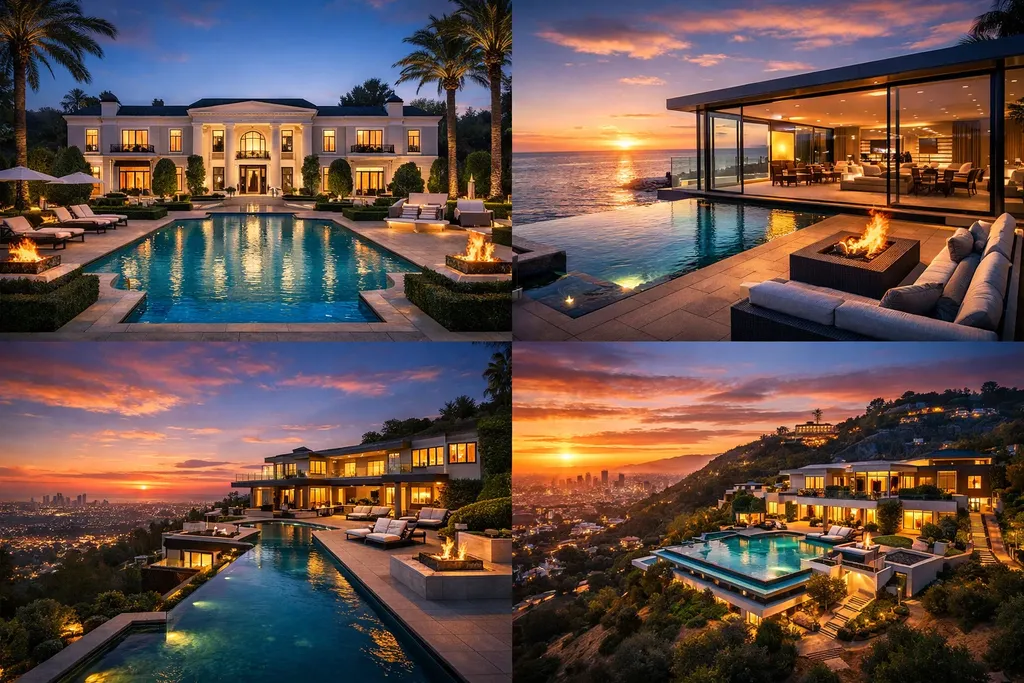
As of 2025–2026, the California luxury market is characterized by constrained supply in prime locations, sustained international demand, and a shift toward experience-driven design.
What defines luxury real estate in California?
Luxury real estate in California is typically defined by a combination of price thresholds, location prestige, architectural quality, and lifestyle features.
As of 2025:
- Entry-level luxury in most California markets begins around $2–3 million
- In ultra-prime areas (Malibu, Beverly Hills, Bel Air), luxury often starts at $5–10 million+
- Top-tier properties regularly exceed $20M–$100M+, particularly along the coast and in gated hillside enclaves
Key defining elements include:
- Prime location (coastal, hillside, or prestigious urban zones)
- Architectural distinction (custom or architect-designed homes)
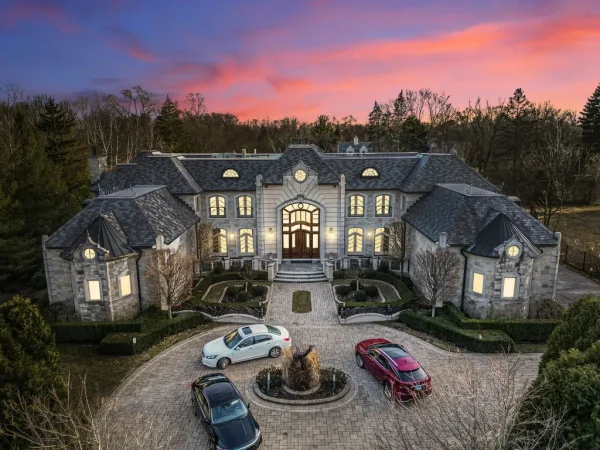
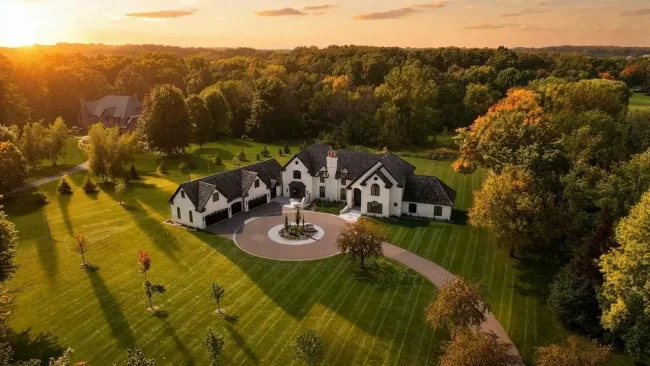
- Privacy (gated access, large lots, long driveways)
- Lifestyle amenities (pools, wellness spaces, indoor–outdoor living)
Market overview (data-driven)
According to data from Zillow and Redfin (2025):
- Median home value in California: ~$750,000–$800,000 statewide (varies by source and month, 2025)
- Los Angeles County median: ~$900,000+ (2025)
- Luxury segment: frequently exceeds $5M in core markets
- Ultra-prime listings: commonly $20M–$100M+ in Beverly Hills and Malibu
Additional market signals:
- Inventory in coastal luxury markets remains structurally limited
- Time-on-market varies widely depending on pricing accuracy and uniqueness
- Demand remains strong among domestic wealth and international buyers
These dynamics support long-term price resilience despite short-term fluctuations.
Key luxury regions across California
Beverly Hills and Bel Air
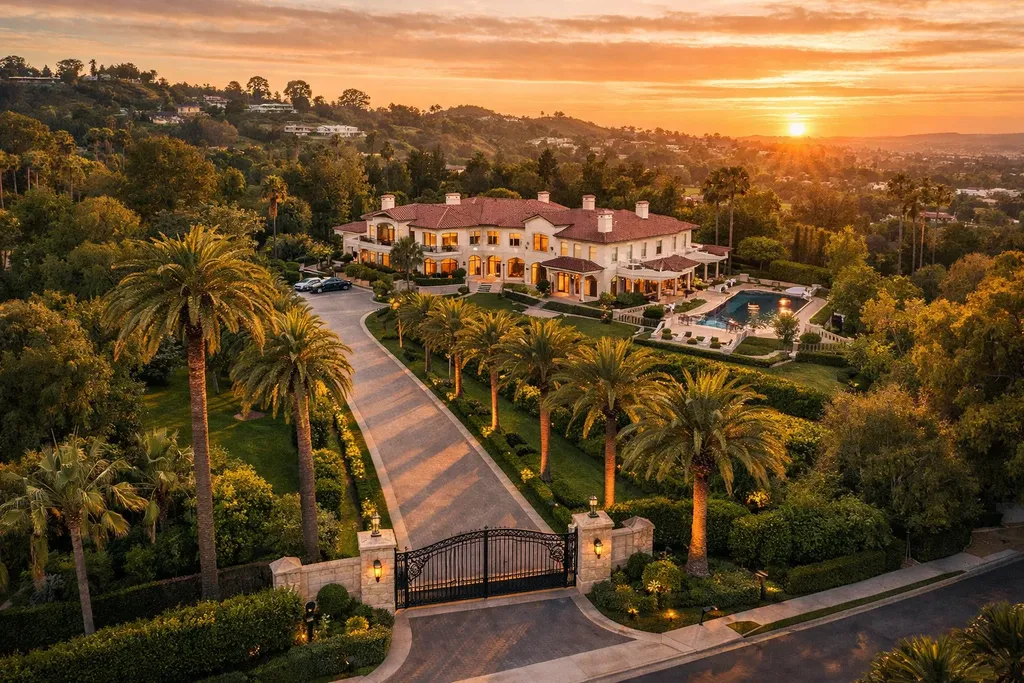
Among the most recognized luxury enclaves globally, these areas are defined by:
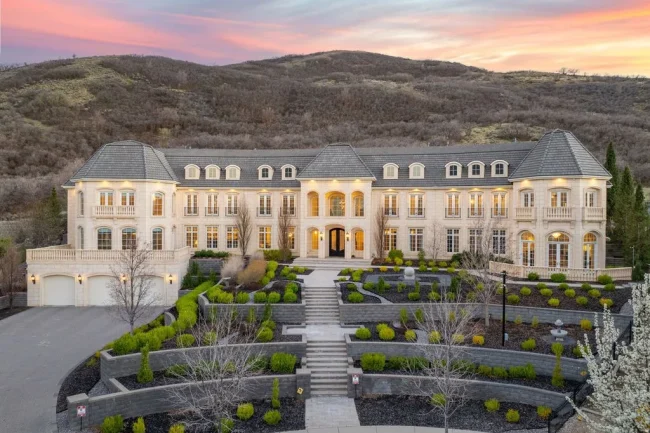
- Gated estates with large parcels
- Long private driveways and layered security
- Architectural pedigree (custom builds, notable designers)
- Historical association with celebrity ownership
Price ranges frequently span from $5M to $50M+, with trophy estates exceeding that range.
Malibu (coastal ultra-prime)
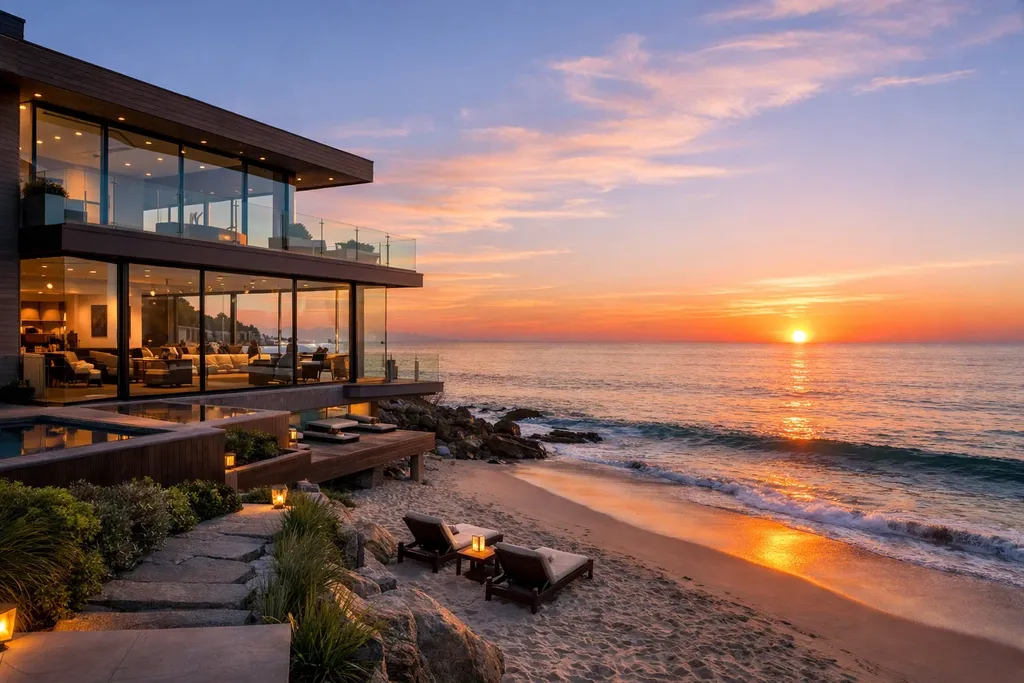
Malibu represents one of the most supply-constrained coastal markets in the U.S.
Typical characteristics:
- Direct beach access (highly limited inventory)
- Contemporary, glass-forward architecture
- Unobstructed Pacific Ocean views
Prime segments such as Carbon Beach and Malibu Colony often exceed $30M–$100M+.
Low turnover contributes to long-term value stability.
Los Angeles hillside communities
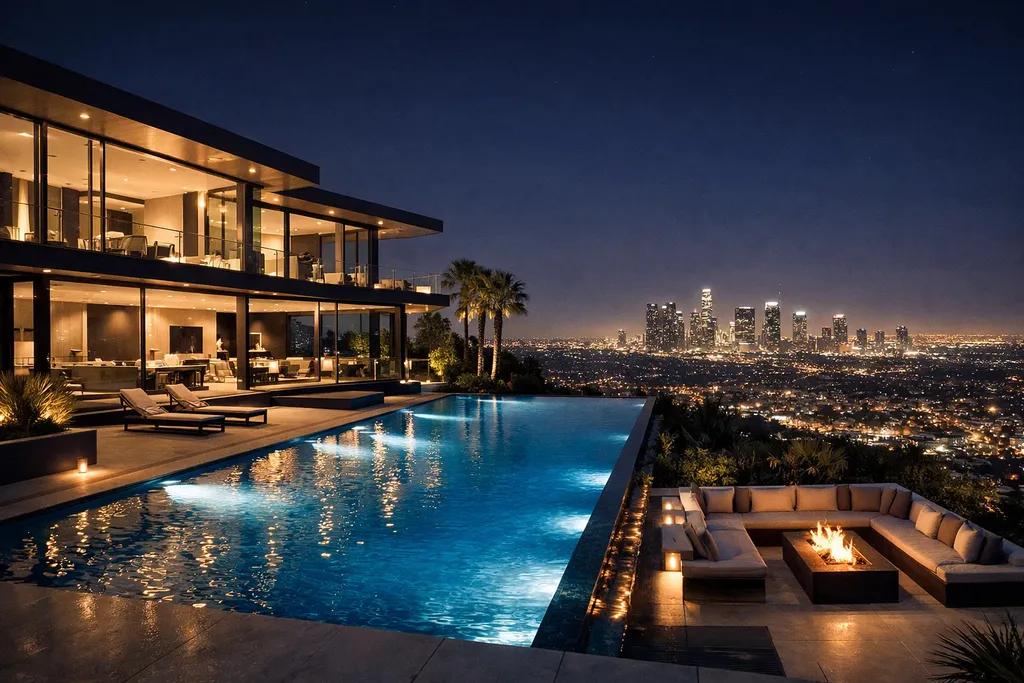
Neighborhoods including Hollywood Hills, Brentwood, and Pacific Palisades offer:
- Elevated city or canyon views
- Modern, open-plan architecture
- Proximity to major economic hubs
These areas attract buyers from entertainment, tech, and finance sectors.
Orange County coastal markets
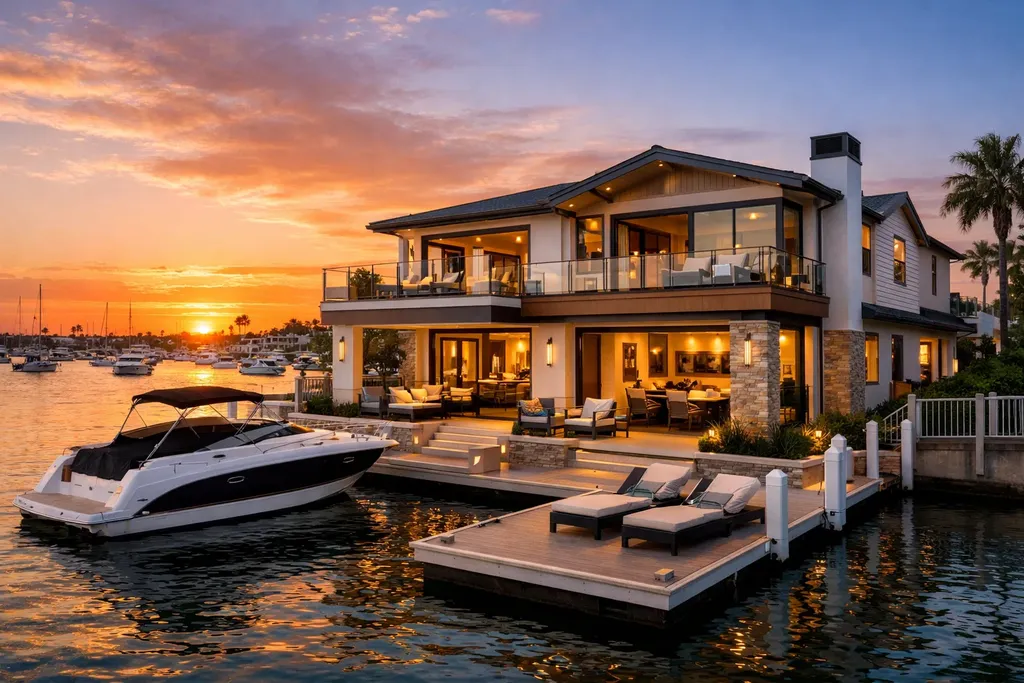
Newport Beach, Laguna Beach, and Dana Point provide:
- Harbor-front estates and yacht access
- Cliffside homes with panoramic ocean views
- Family-oriented luxury communities
These markets combine lifestyle appeal with relatively stable demand.
Northern California and Napa Valley
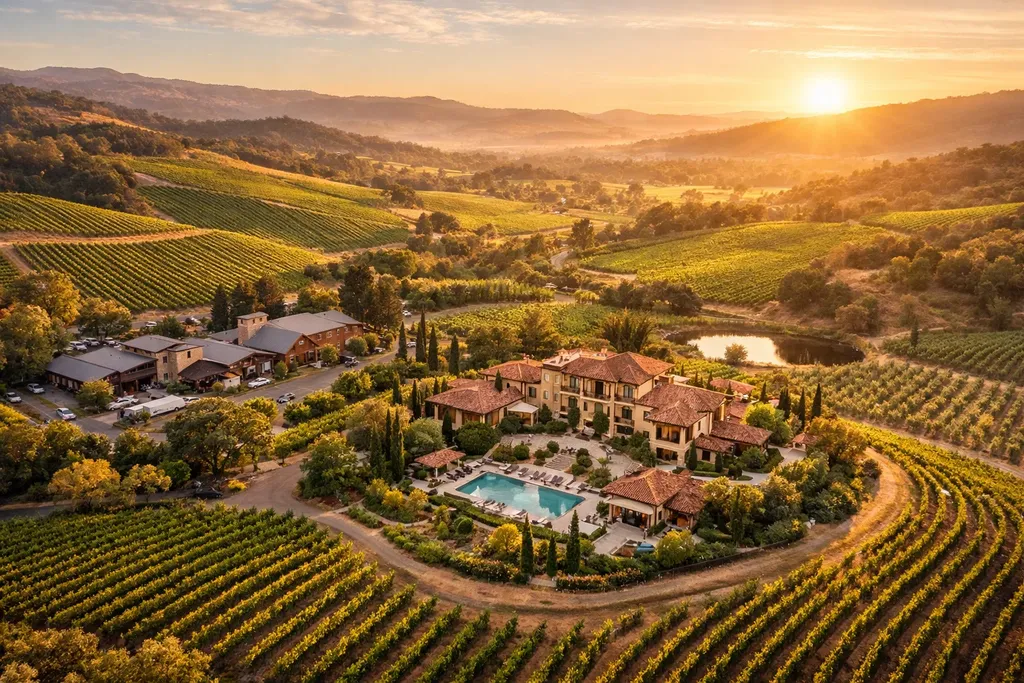
Luxury in Northern California emphasizes land, privacy, and lifestyle.
Property types include:
- Vineyard estates (value tied to land and production potential)
- Equestrian properties
- Large private compounds
Buyer profiles are often linked to technology wealth and lifestyle-driven ownership.
Architectural trends shaping the market
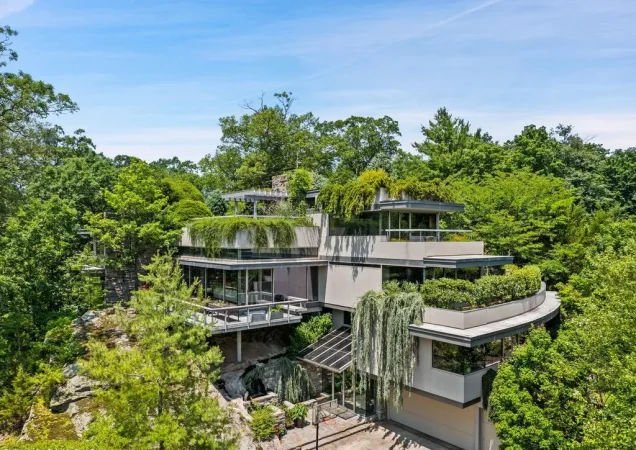
Contemporary and modern design
Dominant across Los Angeles and Malibu:
- Floor-to-ceiling glass
- Clean geometric lines
- Seamless indoor–outdoor integration
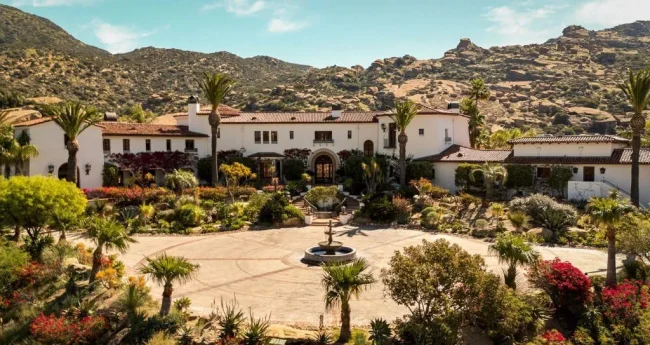
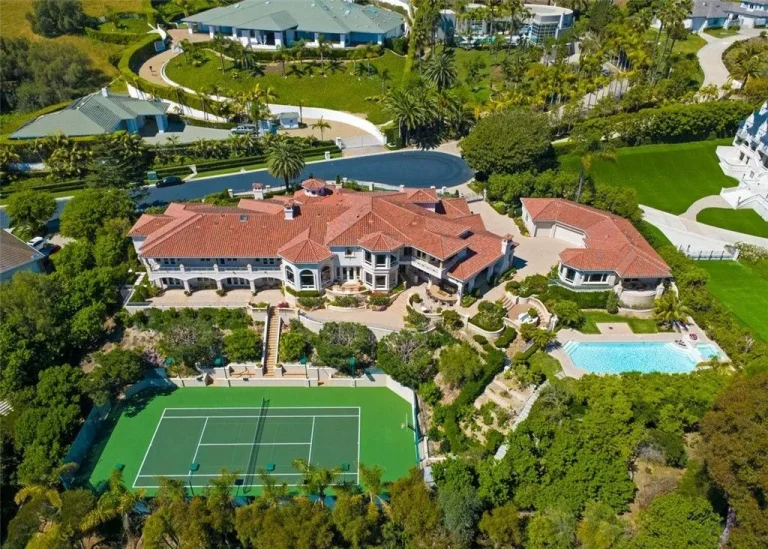
Mediterranean and Spanish revival
Common in Beverly Hills and Santa Barbara:
- Terracotta roofs
- Arched forms
- Courtyard-centered layouts
Mid-century modern
Especially in Palm Springs:
- Minimalist geometry
- Strong connection to landscape
- Functional simplicity
Eco-luxury and smart homes
As of 2025–2026, sustainability is a core feature:
- Solar integration
- Energy-efficient systems
- Smart home automation
Market trends (2025–2026)
Privacy and security as primary drivers
High-net-worth buyers increasingly prioritize:
- Gated compounds
- Large setbacks and buffers
- Advanced security infrastructure
Persistent inventory constraints
In Malibu and Beverly Hills:
- Limited new development
- Low turnover rates
This maintains upward pressure on pricing.
Shift toward experiential living
Luxury is increasingly defined by experience:
- Wellness suites (spa, sauna, cold plunge)
- Outdoor kitchens and entertainment areas
- Resort-style pools and landscaping
Global demand remains strong
California continues to attract international buyers from:
- Asia
- Europe
- Middle East
This global demand reinforces long-term stability.
Investment outlook
California luxury real estate remains one of the most stable long-term asset classes in the United States.
Key drivers:
- Prime locations retain value across cycles
- Scarcity (especially coastal) supports pricing
- Architecturally unique homes outperform standardized builds
While short-term corrections may occur, ultra-prime assets historically maintain strong long-term appreciation.
How to evaluate a luxury property in California
Location hierarchy
Coastal and hillside locations consistently outperform inland markets due to limited supply and stronger demand. Areas such as Malibu and Beverly Hills command premium pricing thanks to their exclusivity and lifestyle appeal.
Privacy and land size
Large lots and gated access are critical in the luxury segment, where buyers prioritize privacy and security. Properties with long driveways and buffer zones tend to attract higher-value buyers.
Architectural quality
Homes designed by recognized architects or featuring custom builds typically retain value better than standard constructions. Unique design elements often contribute to long-term appreciation.
Views
Ocean, canyon, and skyline views significantly impact pricing in California’s luxury market. Properties with unobstructed views often command substantial premiums.
Functional longevity
Modern layouts, smart home systems, and energy-efficient features ensure long-term usability. Buyers increasingly favor homes that combine design with practicality.
Source and data references
Zillow (market data, 2025)
Redfin (pricing trends, 2025)
(Data reflects publicly available estimates and may vary by submarket and time period.)
Final perspective
California’s luxury real estate market is defined not only by price, but by the intersection of architecture, environment, and lifestyle. Its diversity—from oceanfront estates to hillside compounds and vineyard properties—positions it as one of the most resilient and desirable markets globally.
For buyers and investors, understanding the structure, regional dynamics, and long-term trends of this market is essential to identifying high-value opportunities.