Luxury Real Estate Market Trends in California
California’s luxury real estate market is no longer defined by simple growth. It is defined by contradiction.
Prices are still rising. Inventory is still constrained. But at the same time, homes are taking longer to sell, buyers are negotiating harder, and not every property is being rewarded equally.
This is no longer a uniformly strong market. It is a market that has split into tiers, each behaving differently under pressure.
For a broader structural overview, see California Luxury Real Estate Market Guide.
Scarcity Is Still Driving Prices, Even as Activity Slows
In most housing markets, rising prices eventually trigger more supply. In California’s prime luxury areas, that feedback loop is limited.
Coastal geography, zoning restrictions, and entitlement risk continue to cap new development in Malibu, Beverly Hills, and other high-demand enclaves.
According to the California Association of Realtors, the statewide median home price reached $854,490 in March 2024, up 7.7% year over year, even as sales volume declined 4.4%. That combination—rising prices with falling sales—is a classic signal of constrained supply rather than weak demand.
At the national level, Zillow reported that luxury inventory remained 46.9% below pre-pandemic levels as of mid-2024. In other words, even after several years of market normalization, the supply gap has not closed.
That is the key dynamic: scarcity in California does not correct itself. It compounds.
This is why segments such as the most expensive homes in California continue to command attention even when transaction activity softens.
The Market Has Split, and the Gap Is Growing
What used to be called “the luxury market” in California is now at least two different markets.
At the top, trophy properties continue to behave like rare assets. These homes trade when the right buyer appears, often with little sensitivity to interest rates or broader sentiment.
Below that, the broader high-end segment is under more pressure.
Data from Redfin illustrates this clearly. In Q2 2024:
- Los Angeles luxury homes had a median sale price of $3.45 million, up 6.98% year over year, but took a median of 50 days to sell
- San Jose luxury homes rose 16.39% to $4.83 million, with just 10 days on market
- San Francisco luxury homes rose 8.33% to $5.2 million, with 16 days on market
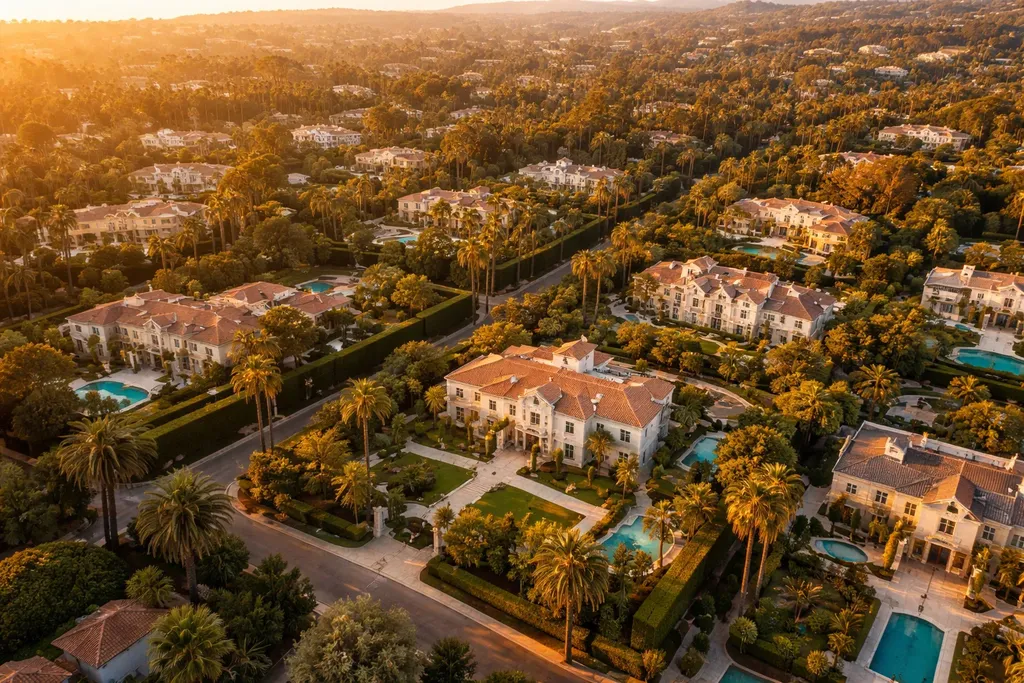
The takeaway is not just that prices are rising. It is that liquidity varies dramatically depending on location and buyer pool.
This is no longer one market moving together. It is multiple markets moving at different speeds.
That divergence is directly connected to pricing dynamics explored in what drives luxury home prices in California.
Rising Prices Are Hiding a Liquidity Problem
Here is the uncomfortable truth: price growth in California’s luxury market is increasingly masking a liquidity problem.
On paper, the market looks strong. Prices are up. Demand exists. But underneath that surface, homes are taking longer to sell and buyers are becoming more selective.
According to Realtor.com, luxury homes in the U.S. were taking up to 92–108 days to sell across upper percentiles in early 2026, significantly longer than typical properties.
At the same time, Zillow reported that 20.8% of luxury listings had price cuts in June 2024, up from 19.4% a year earlier.
That combination matters.
- Prices are not collapsing
- But homes are not moving as easily
- And more sellers are adjusting expectations
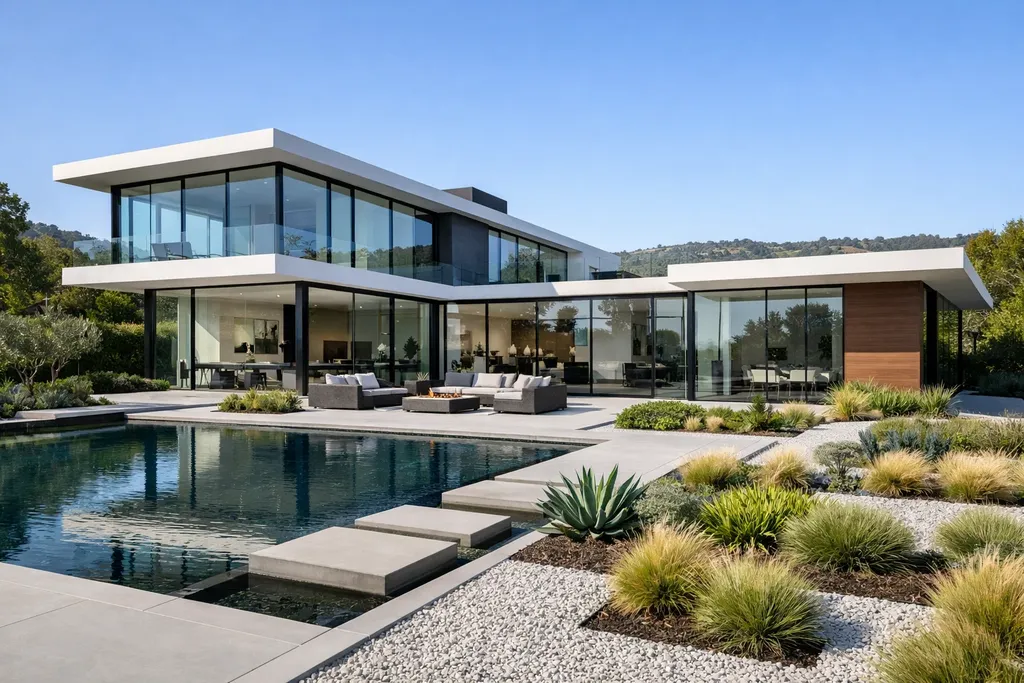
“Six months ago, you could stretch pricing and still get activity,” a Los Angeles agent said. “Now, if it’s off by even a bit, it just sits.”
In practical terms, this means:
The market is not weak. It is unforgiving.
Turnkey Homes Are Winning Because They Remove Risk
The shift toward turnkey homes is often described as convenience-driven. In California, it is more accurately risk-driven.
Renovation timelines have become unpredictable due to permitting delays, labor shortages, and rising costs. Even wealthy buyers are increasingly unwilling to take on that uncertainty.
“If a home needs major work, most buyers walk,” one agent said. “They don’t want to spend a year dealing with approvals and delays.”
This is why turnkey homes outperform:
- They reduce execution risk
- They shorten decision timelines
- They align with buyer expectations in a more selective market
In a market where buyers are comparing options closely, certainty has become a premium.
Buyers Haven’t Disappeared. They’ve Become Selective
The narrative that demand is leaving California is incomplete.
Data shows that transaction volume has slowed, but that does not mean buyers are gone. It means buyers are more disciplined.
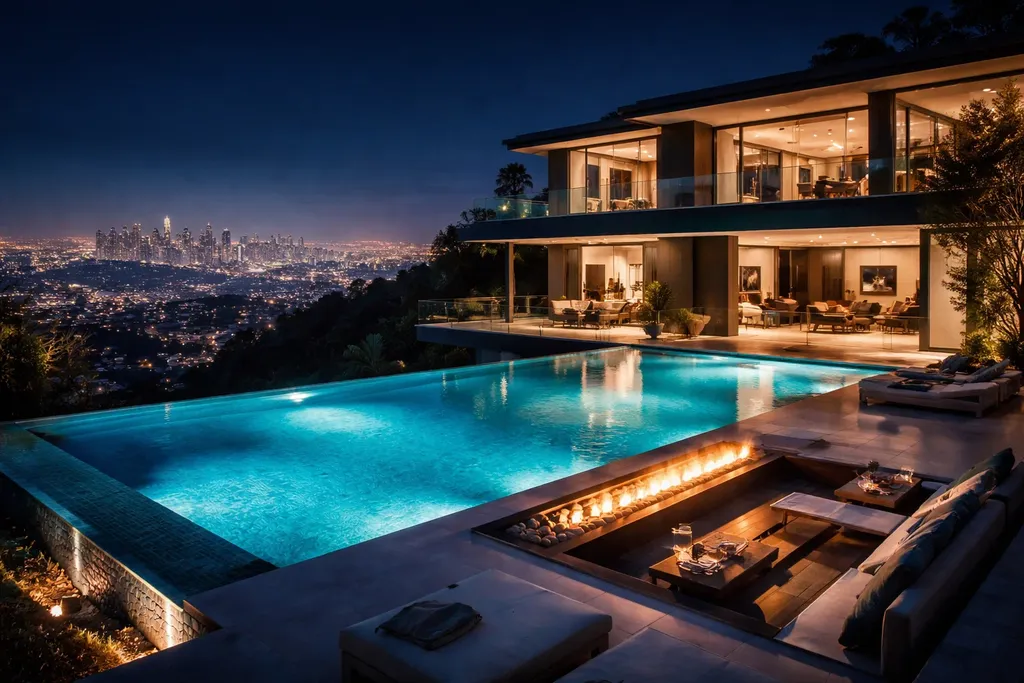
According to Redfin, luxury pending sales declined slightly even as prices continued to rise, and homes took longer to sell.
This reflects a shift in behavior:
- Buyers are willing to wait
- Buyers are comparing more options
- Buyers are rejecting properties that do not meet expectations
“People still want California,” a Malibu agent said. “They just don’t want to overpay for something that isn’t right.”
Outdoor Living Is No Longer a Feature. It Is the Product
In California, outdoor space is not an upgrade. It is part of the core value of the home.
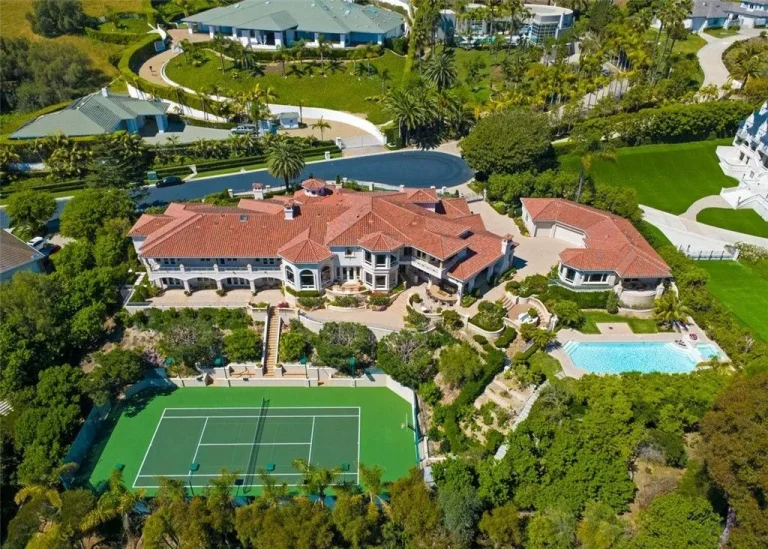
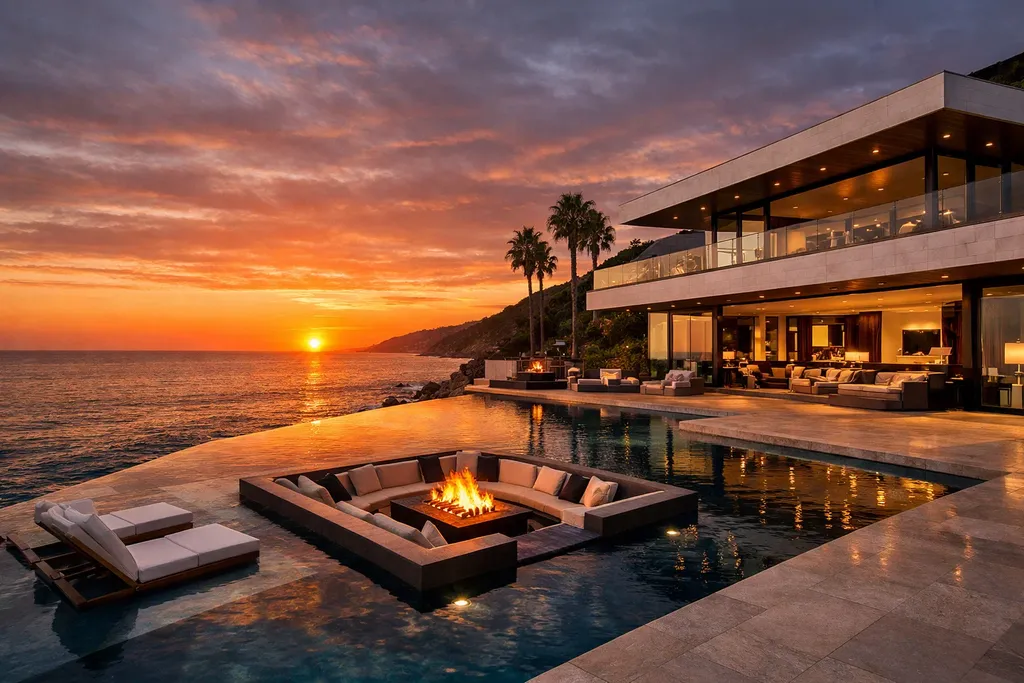
This is especially true in coastal markets such as oceanfront mansions in California, where views, terraces, and indoor-outdoor flow define the living experience.
The pricing impact is measurable:
- Homes with strong outdoor integration command higher demand
- Homes without it face discounting pressure
In many cases, two properties with similar interiors can diverge significantly in value based on how well they use outdoor space.
Buyers are not buying square footage. They are buying experience.
The Best Homes Still Sell Fast. Everything Else Doesn’t
One of the clearest signals in today’s California luxury market is dispersion.
The best homes—well-located, turnkey, properly priced—still attract strong interest and can sell quickly.
Everything else behaves differently.
- Listings sit longer
- Price reductions become necessary
- Buyer interest fades over time
This is why averages can be misleading. The market is not moving uniformly.
It is rewarding precision and punishing mistakes.
California Luxury Real Estate Is No Longer About Momentum
The old narrative was simple: California luxury real estate goes up over time.
The new reality is more complex.
- Scarcity still supports pricing
- But selectivity controls liquidity
- And not all properties benefit equally
This is no longer a market defined by momentum. It is defined by discipline.
Scarcity doesn’t correct itself in California. But it also doesn’t guarantee success for every seller.
That tension is what defines the market today.