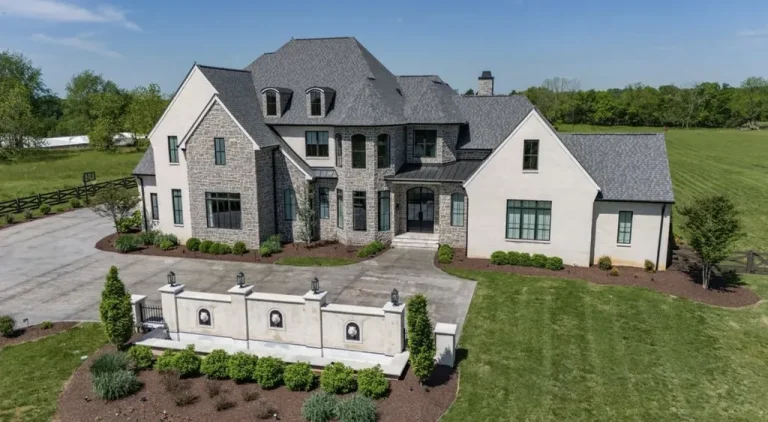
What Drives Luxury Home Prices in California
Luxury home prices in California are no longer driven by simple demand. At the top end of the market, demand is assumed. What matters now is alignment.
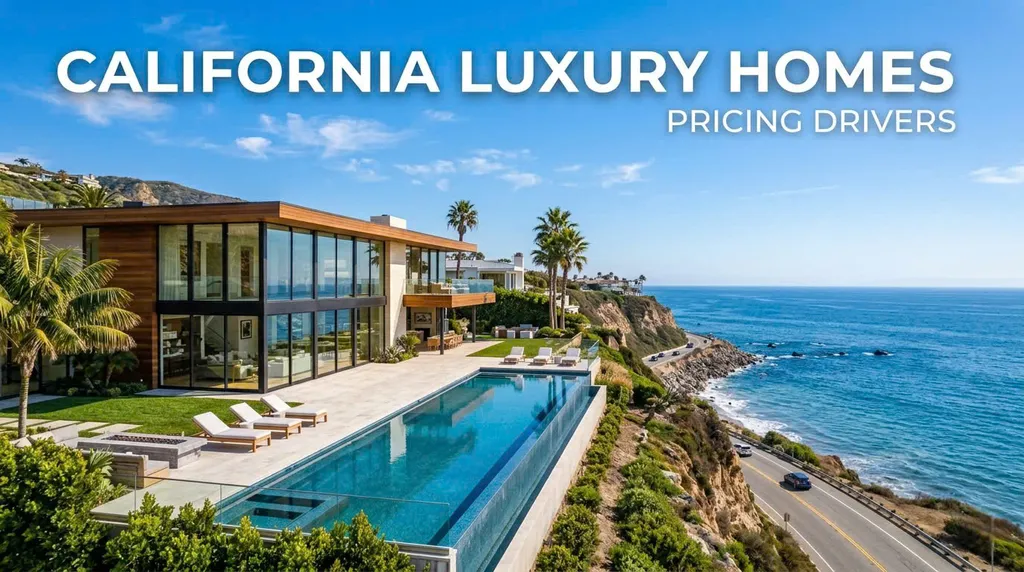
A property achieves its price only when it aligns with what high-net-worth buyers are actively willing to purchase at that moment. When that alignment breaks, pricing stalls, even in supply-constrained markets.
For a broader context, see California Luxury Real Estate Market Guide.
A Practical Pricing Model for California Luxury Homes
Luxury pricing in California can be understood through a simple framework:
Luxury Price = Scarcity × Buyer Depth × Product Fit ÷ Market Friction
Scarcity defines the upper limit of value. Buyer depth determines how quickly that value can be realized. Product fit determines whether a home qualifies for premium pricing. Market friction determines whether the transaction actually happens.
Scarcity Creates the Ceiling, Not the Outcome
California remains one of the most supply-constrained luxury markets in the United States.
Coastal geography limits expansion. Zoning restrictions slow development. High-end inventory remains structurally tight even during slower transaction periods.
According to the California Association of Realtors, home prices continued to rise in 2024 despite declining sales volume, a pattern typically associated with constrained supply rather than weak demand.
Zillow luxury housing data also shows that luxury inventory remains significantly below pre-pandemic levels.
This dynamic is especially visible in the most expensive homes in California, where scarcity defines the upper limit of value.
Buyer Depth Determines Market Speed
Luxury demand is unevenly distributed across California.
Data from the Redfin luxury housing report shows that luxury homes in San Jose can sell in around 10 days, while comparable properties in Los Angeles may take closer to 50 days.
The difference is not demand alone. It is how ready that demand is to act.
Price growth without buyer depth leads to slower markets, not stronger ones.
Product Fit Is Now a Hard Filter
Not every luxury home qualifies for premium pricing.
Buyers filter aggressively based on condition, layout, design, and usability. Turnkey homes consistently outperform properties that require renovation.
Zillow luxury housing data shows that more than 20% of luxury listings experienced price reductions in 2024, reflecting a growing mismatch between listing expectations and buyer preferences.
Market Friction Determines What Actually Sells
Market friction is what separates asking price from actual sale price.
It appears through longer selling times, failed deals, and repeated listing cycles.
The Realtor.com luxury market report shows that high-end homes are now taking significantly longer to sell compared to previous market cycles.
This behavior aligns with broader California luxury real estate market trends, where liquidity often weakens before prices adjust.
Case Study: Beverly Hills Pricing Breakdown
A property at 610 N Canon Dr, Beverly Hills, CA 90210 illustrates how pricing adjusts under friction.
The home was initially listed at approximately $27 million. Over the following months, it experienced multiple price reductions, relisting cycles, and failed contract attempts.
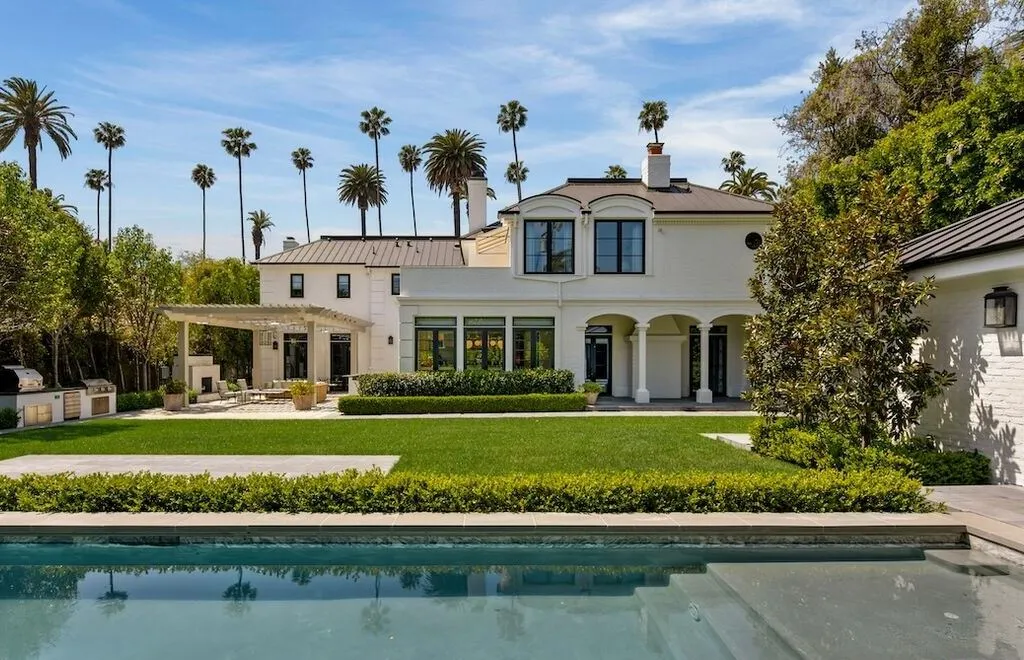
After nearly a year on the market, it ultimately sold for $18.8 million, representing a decline of roughly 30% from the original asking price.
Scarcity alone was not enough to support the initial valuation. Buyer depth at that level was limited, and the property did not align closely enough with buyer expectations to sustain its price.
Case Study: Palo Alto Pricing Behavior
A property at 1641 Portola Ave, Palo Alto, CA 94306 demonstrates the opposite outcome.
Listed at $4.488 million, the home quickly attracted strong demand, went pending within days, and sold for $4.515 million.
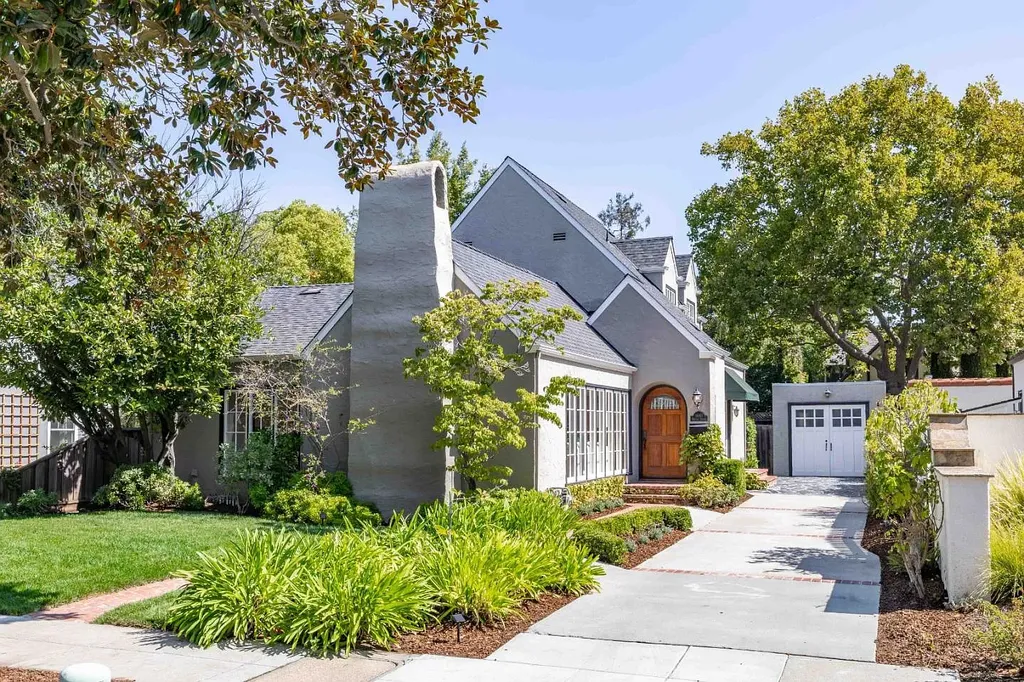
The property required minimal time on market and achieved full pricing with little resistance.
Strong buyer depth, high product fit, and low friction allowed the transaction to move efficiently.
Lifestyle Features Function as Multipliers
In California, lifestyle is embedded into pricing.
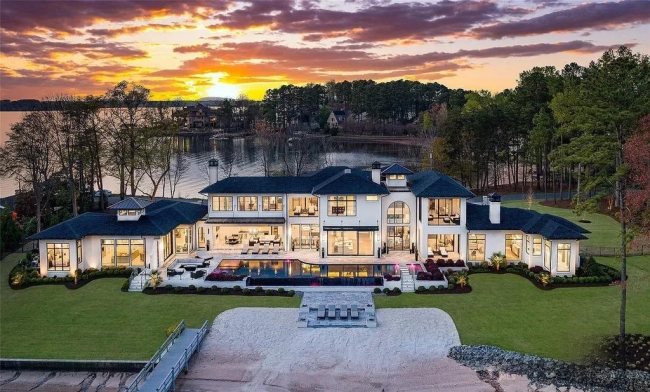
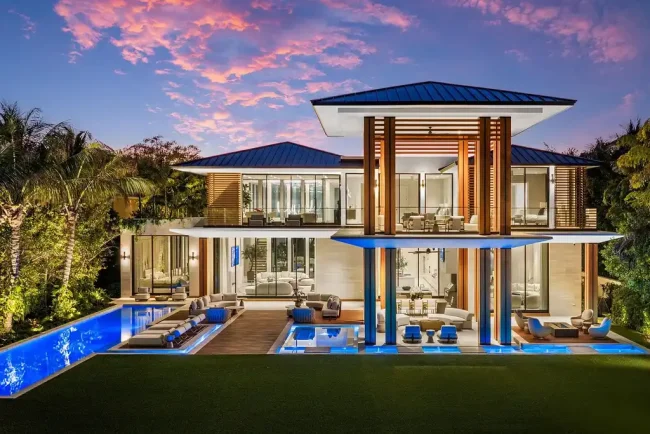
Outdoor living, views, privacy, and architectural design are not secondary features. They directly influence value.
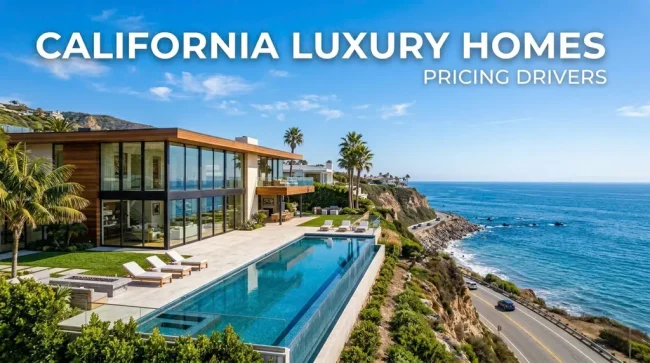
This is particularly evident in oceanfront mansions in California, where the experience defines the asset itself.
Trophy Properties Follow Different Rules
At the highest level, pricing becomes less predictable.
Trophy properties are driven by rarity, identity, and buyer-specific demand rather than comparable sales.
This behavior is most visible in the most expensive homes ever sold in California, where pricing reflects uniqueness rather than market averages.
Pricing Has Shifted from Momentum to Precision
California’s luxury market is no longer defined by upward momentum.
Scarcity still supports pricing, but buyer selectivity now determines outcomes.
Luxury pricing in California is no longer about how much a buyer can afford. It is about how little imperfection they are willing to tolerate.
The Market Filters, Rather Than Lifts
The market no longer lifts all luxury properties equally. It filters them.
Homes that align with buyer expectations sell quickly and at strong prices. Homes that miss on key factors face delays, price adjustments, or fail to transact entirely.
This is not a weaker market. It is a more disciplined one.
And that discipline is now the primary force driving luxury home prices in California.