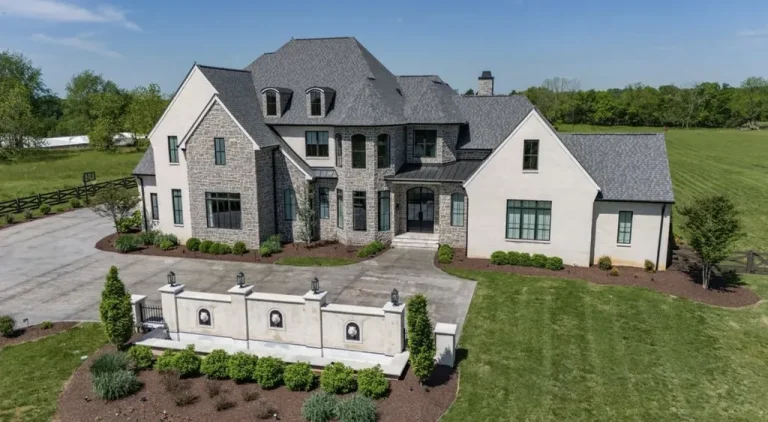
Inside a $12 Million Tennessee Estate With 62 Private Acres and Resort Amenities
ADVERTISEMENT
For years, luxury real estate near Nashville was largely defined by proximity. Buyers wanted to be close to downtown, close to private clubs, close to the city’s economic growth.
That equation has started to shift.
As wealth continues moving into Tennessee from higher-tax states, many affluent buyers are looking farther outward, prioritizing acreage, privacy, and long-term control over surroundings instead of simply chasing prestigious ZIP codes. In that environment, large estates are no longer competing on square footage alone. Increasingly, they are competing on what cannot easily be recreated.
ADVERTISEMENT
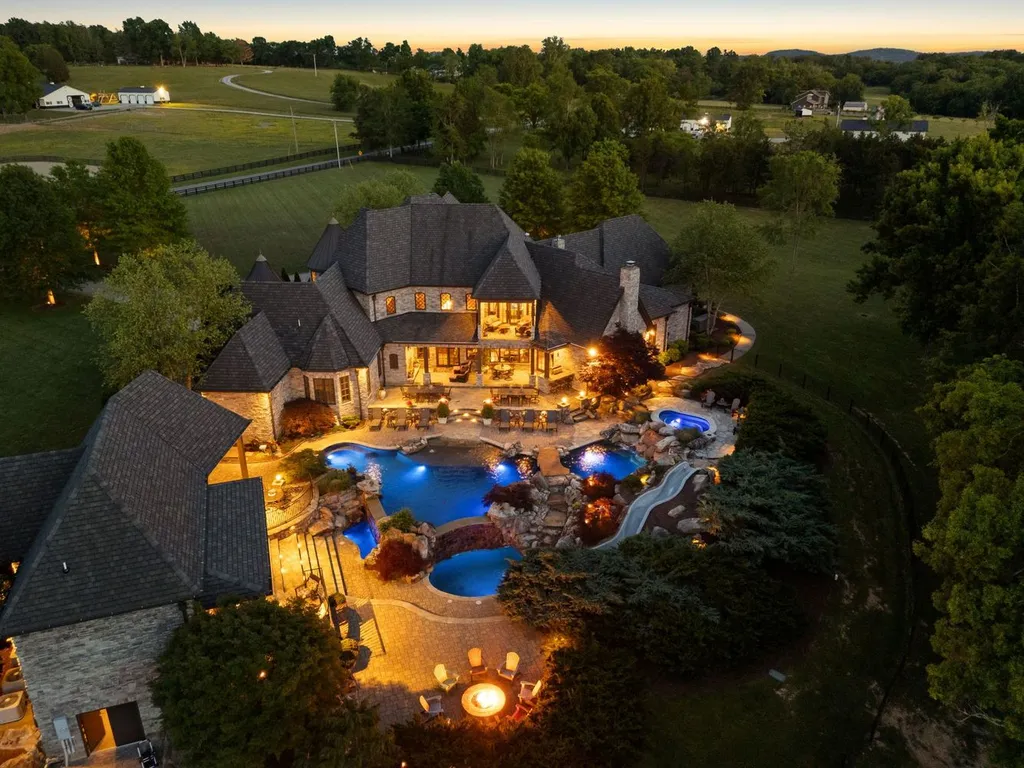
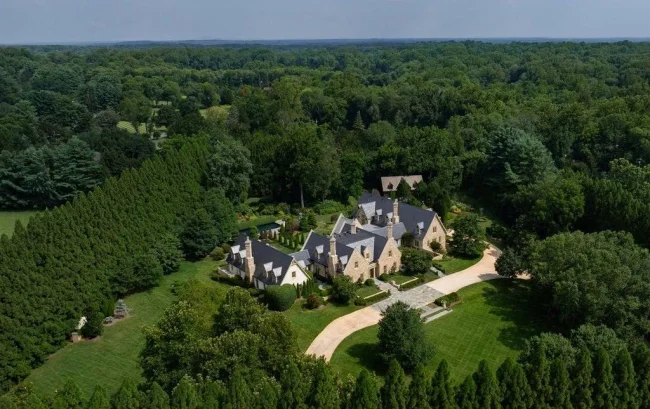
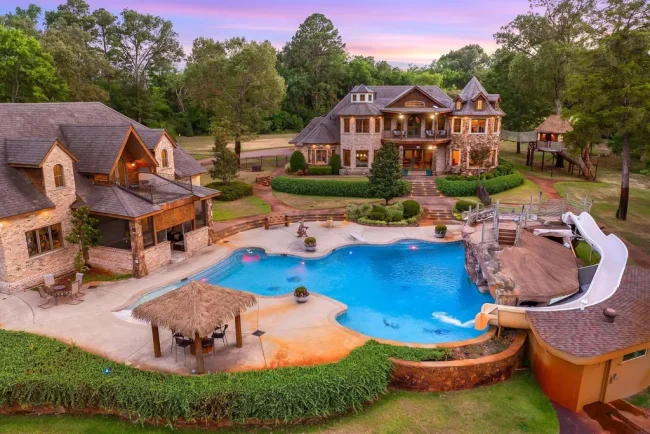
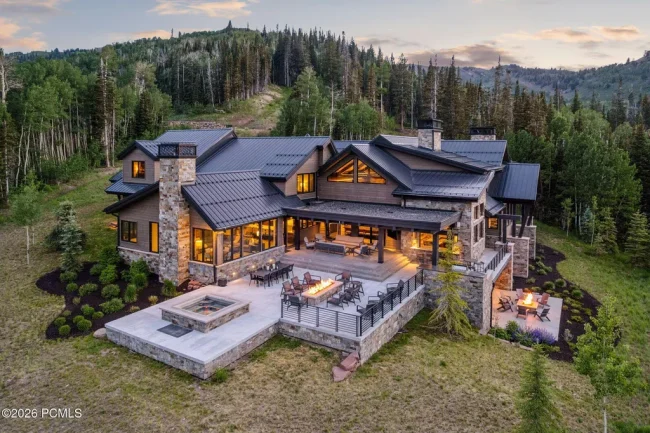
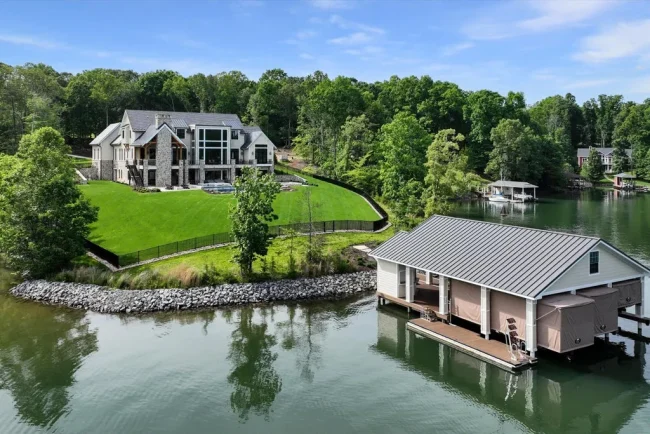
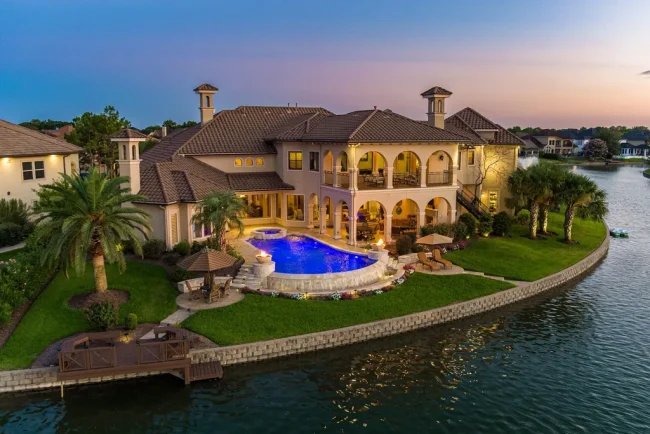
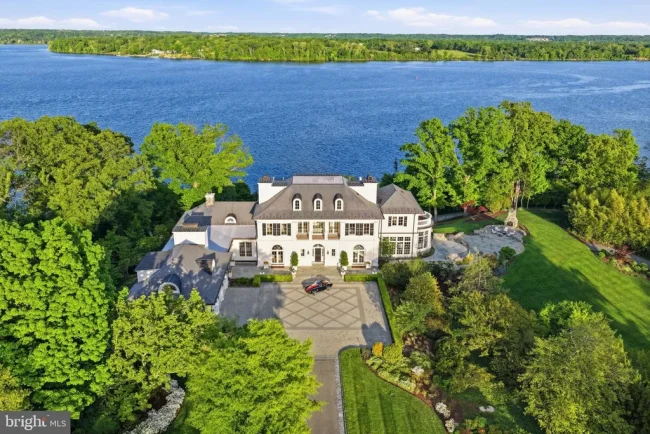
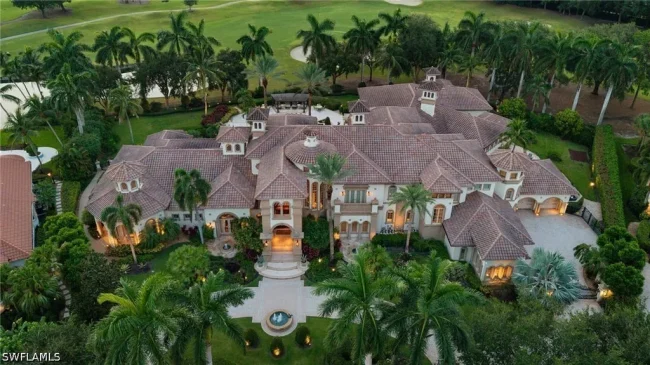
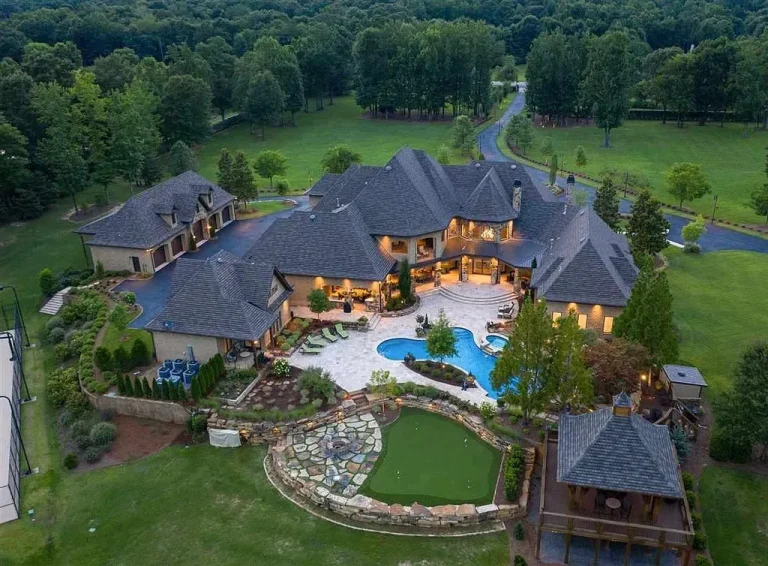
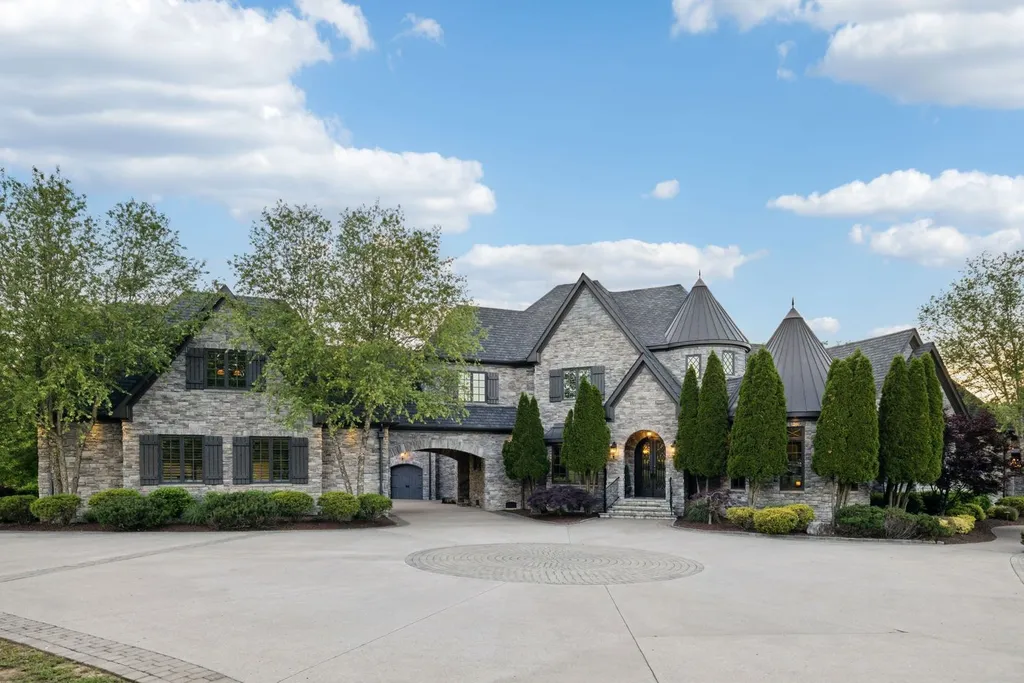
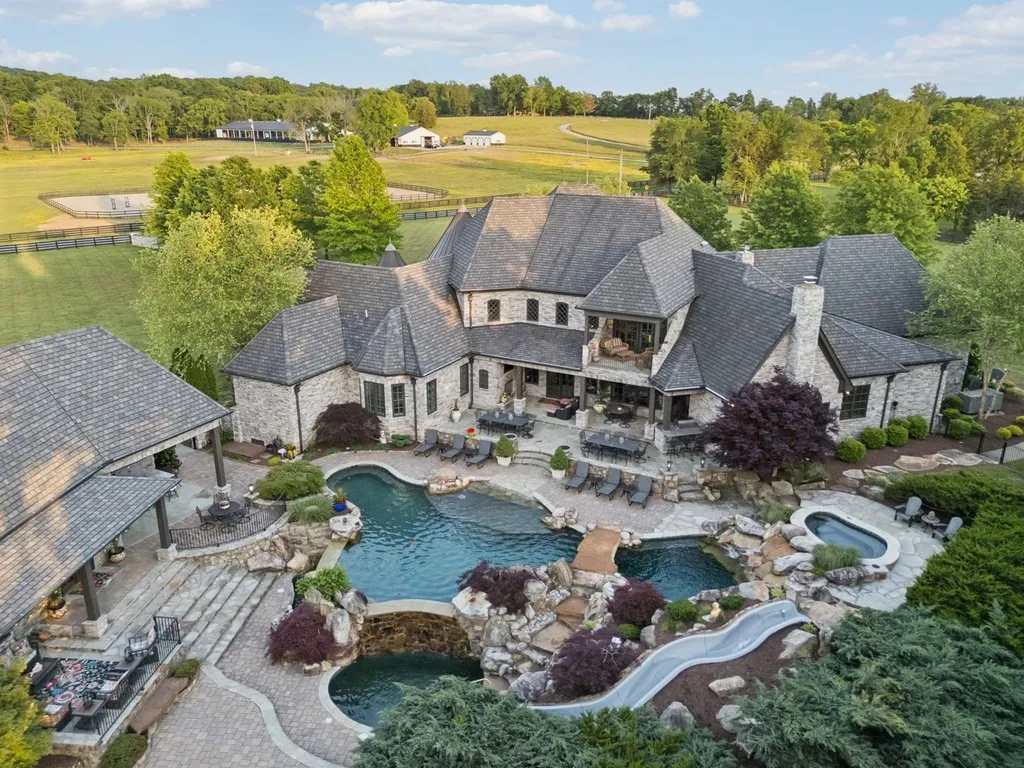
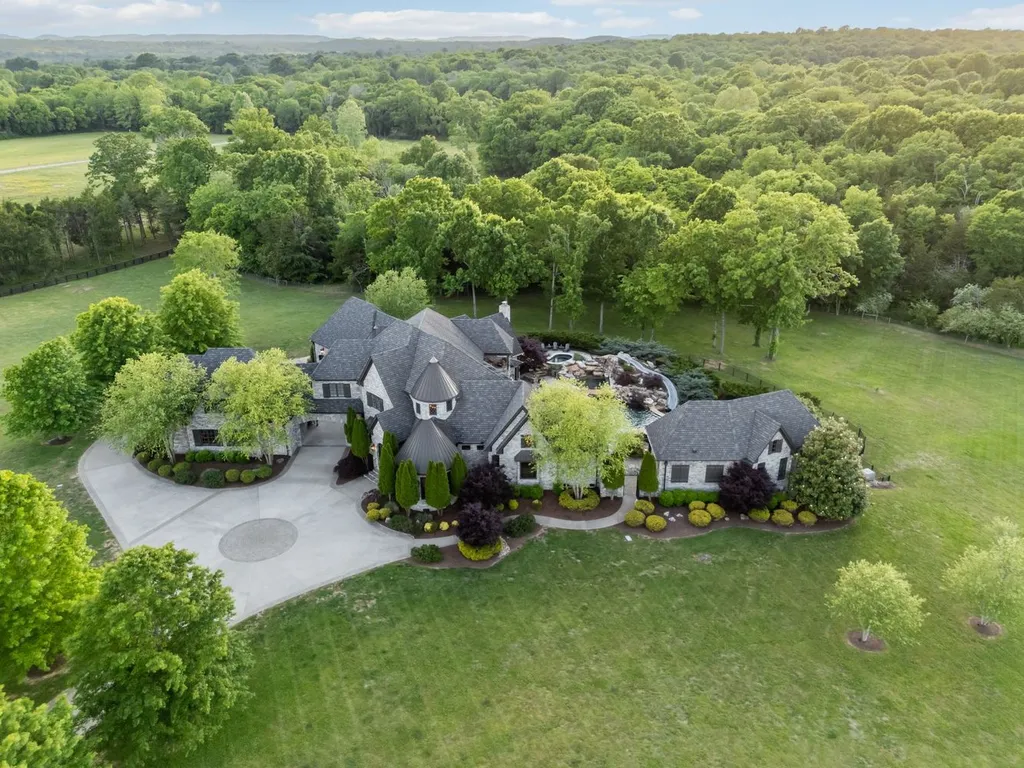
A newly listed property in College Grove reflects that transition clearly. Set behind gates on more than sixty acres of fenced woodland, riding trails, and landscaped grounds, the estate combines resort-style amenities with something becoming harder to secure near Nashville: meaningful separation from future development.
Why Large-Acreage Estates Near Nashville Are Suddenly More Valuable
Luxury inventory across Middle Tennessee has expanded rapidly over the past decade, particularly throughout Williamson County. But while large homes have become more common, large private landholdings close to Nashville have not.
That imbalance is reshaping buyer priorities.
Properties with genuine acreage now appeal to a different kind of luxury buyer, one focused less on visibility and more on autonomy. Tennessee’s lack of state income tax has only accelerated that trend, particularly among executives, entrepreneurs, and investors relocating from California, Illinois, New York, and other high-cost states.
The result is a market where privacy itself has started functioning as a premium asset.
The Land May Matter More Than the House
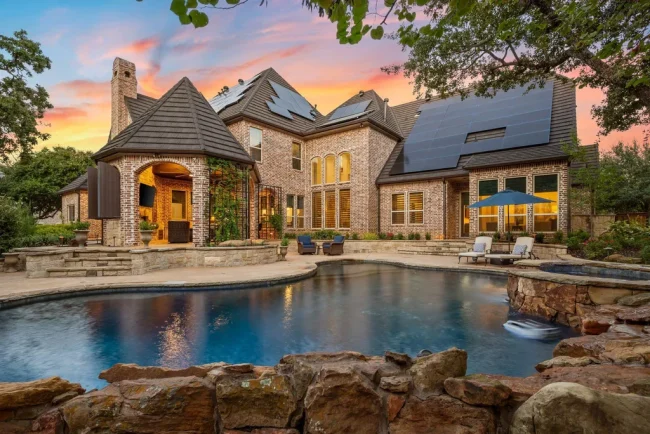
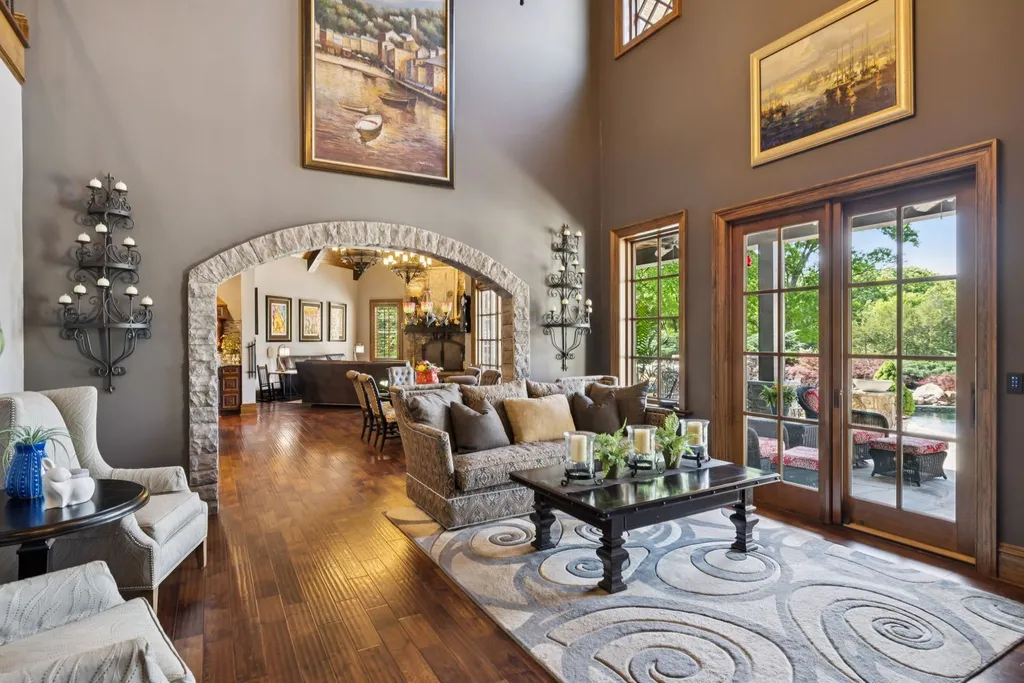
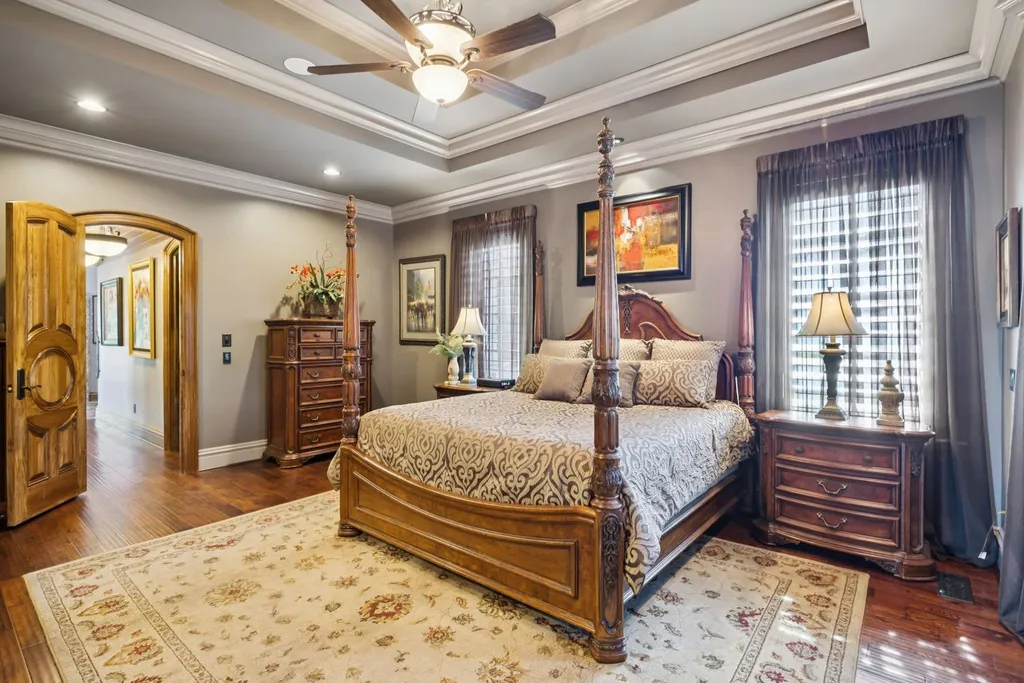
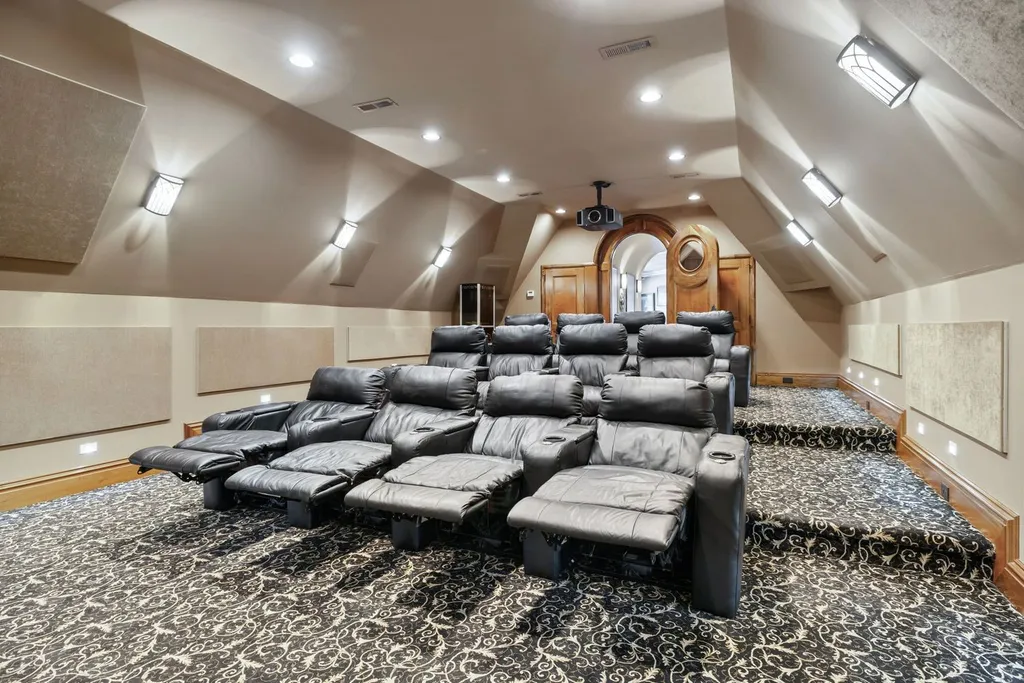
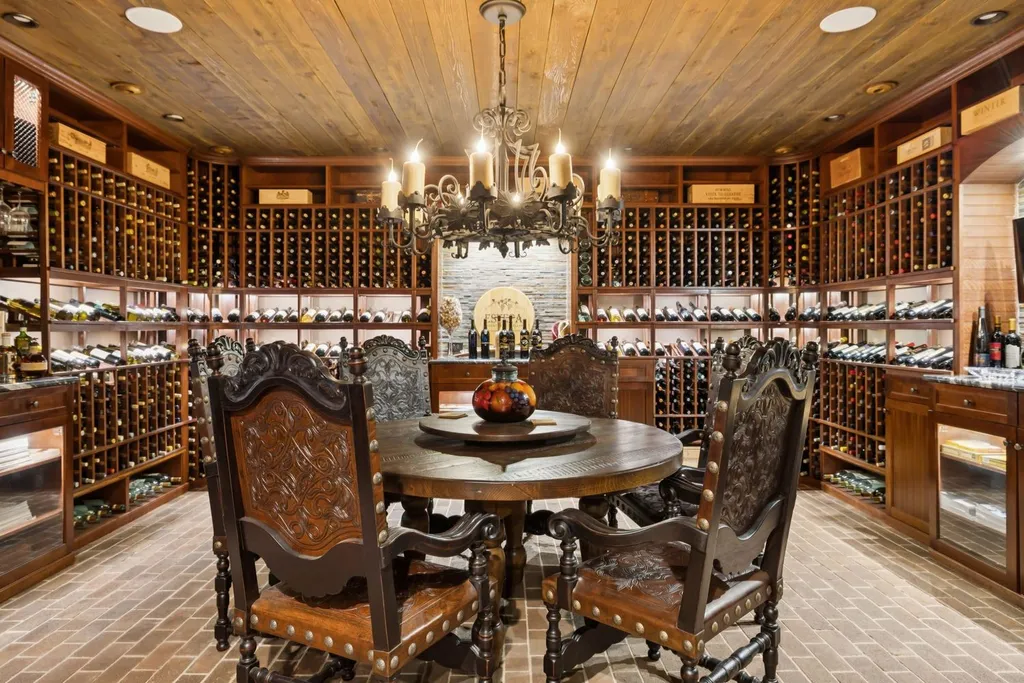
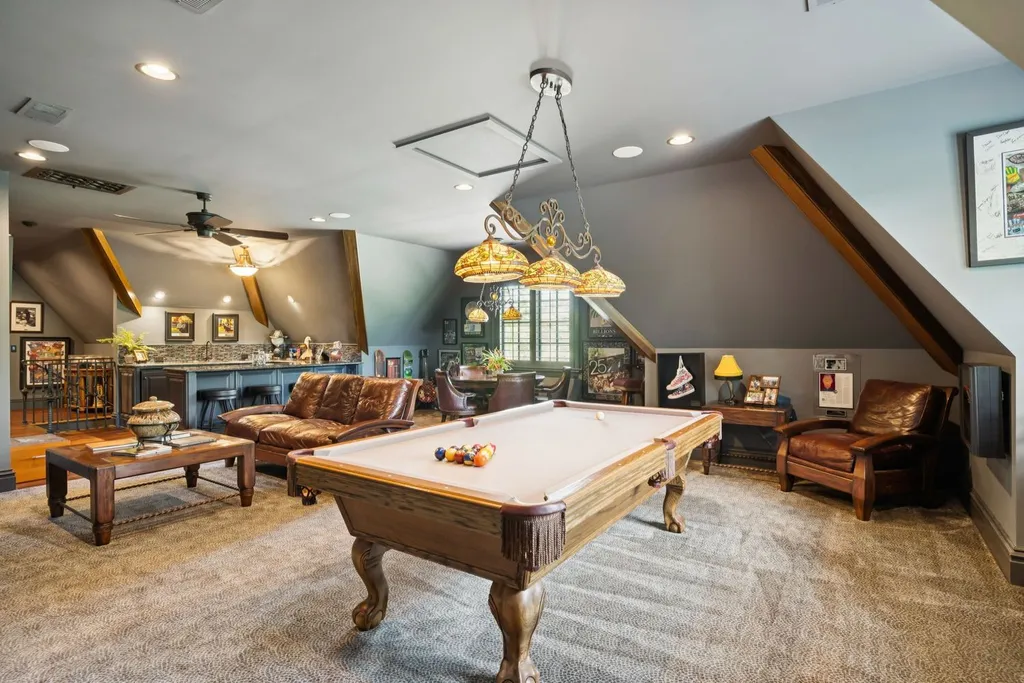
The residence itself spans nearly 10,000 square feet and includes four bedrooms, six bathrooms, multiple entertainment spaces, a theater, game room, wine cellar, and private guest quarters.
ADVERTISEMENT
ADVERTISEMENT
ADVERTISEMENT
ADVERTISEMENT
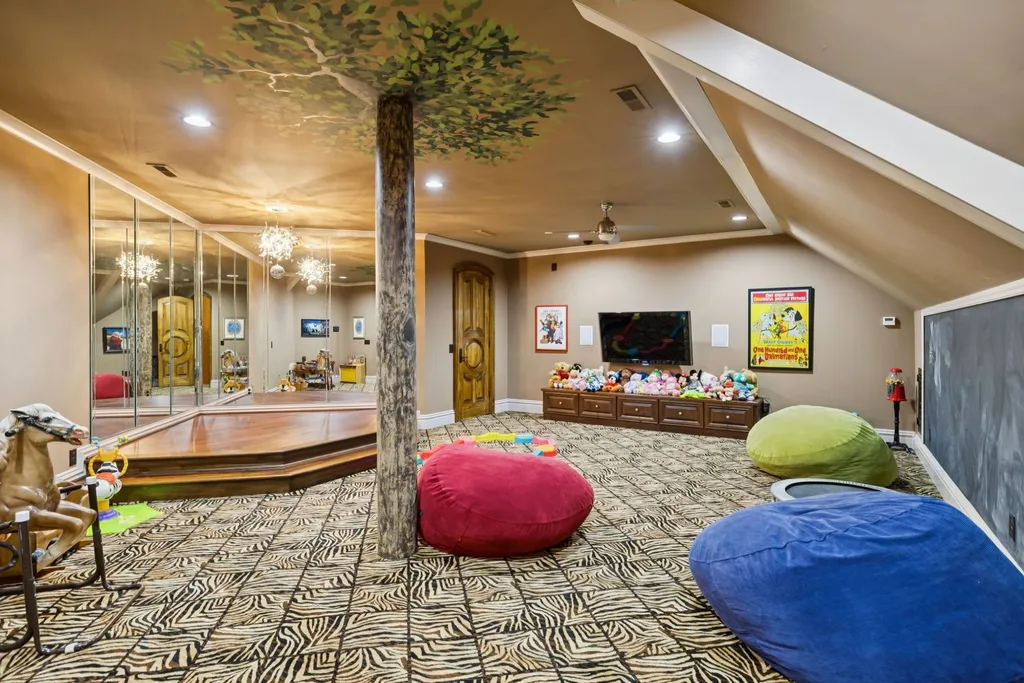
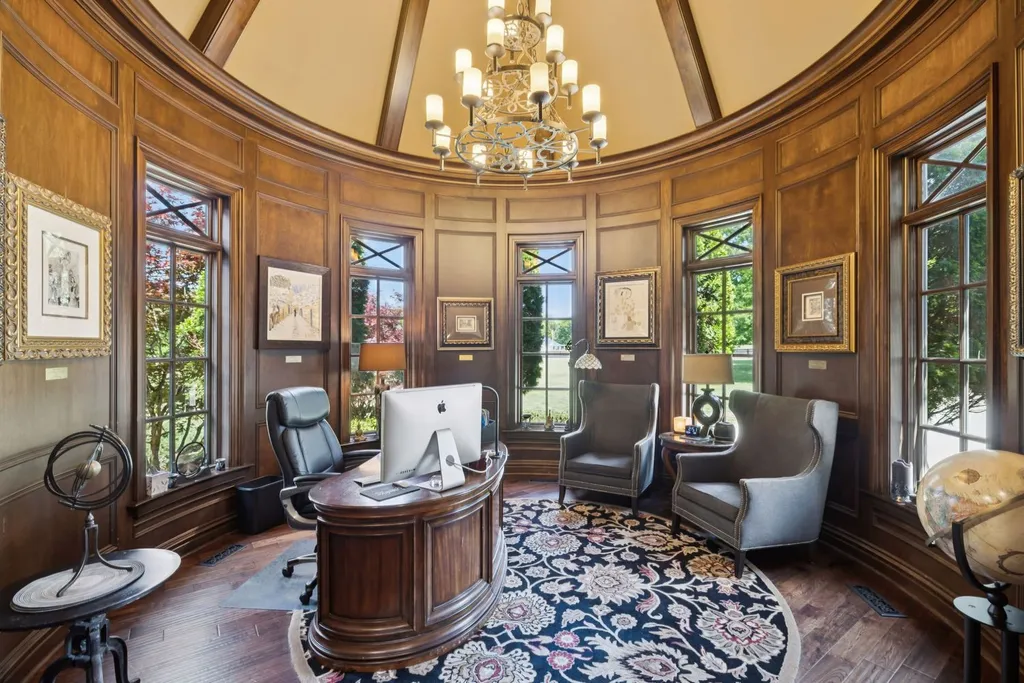
But the most valuable part of the property may ultimately be the land surrounding it.
Most large-acreage estates force buyers into a compromise. The land may be scenic but difficult to use, or usable near the residence but limited once terrain and infrastructure are factored in. This property unusually delivers both.
Roughly eight acres surrounding the home are flat, fenced, and highly functional, while the remaining acreage opens into wooded riding trails that create a deep natural buffer behind the residence. At this level, control has become part of the product.
ADVERTISEMENT
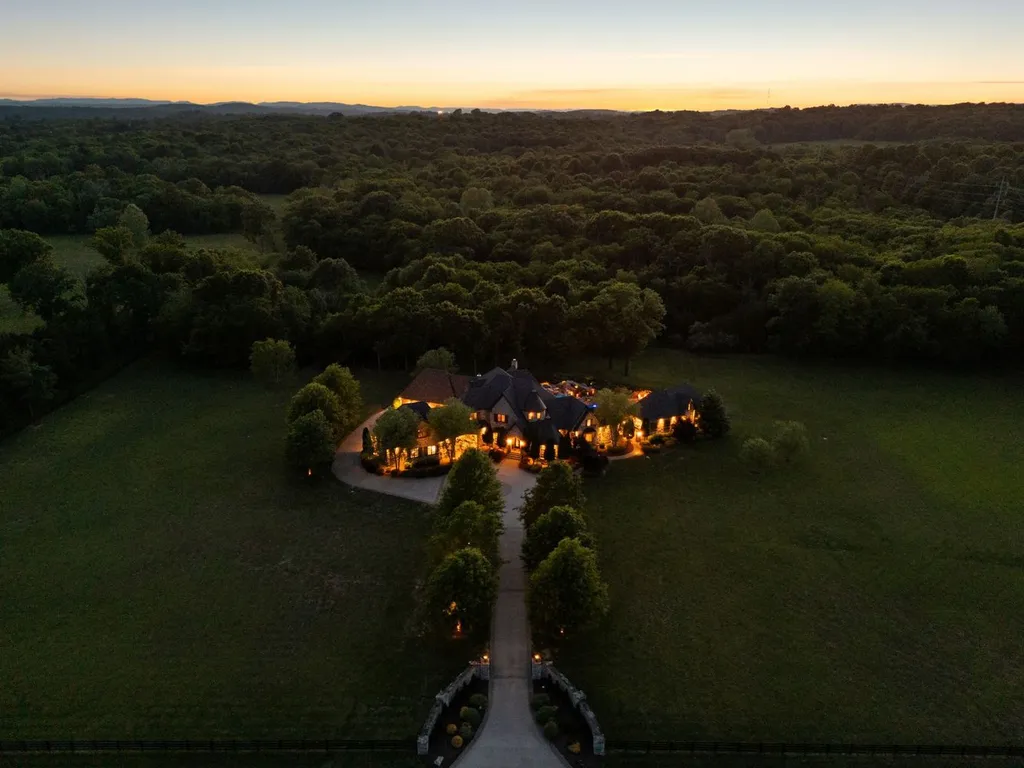
That dynamic increasingly reflects broader Tennessee luxury real estate market trends, where buyers are placing long-term value on privacy, usable land, and insulation from surrounding growth.
A Property Designed for Entertaining, but Also Built for Isolation
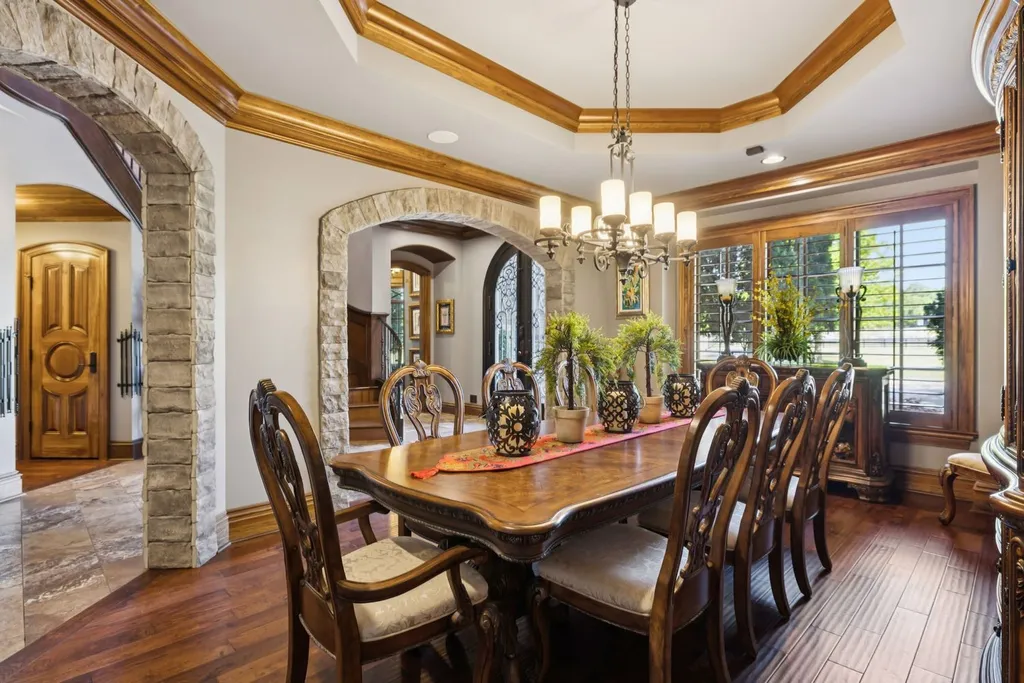
The interiors were clearly designed around large-scale hosting.
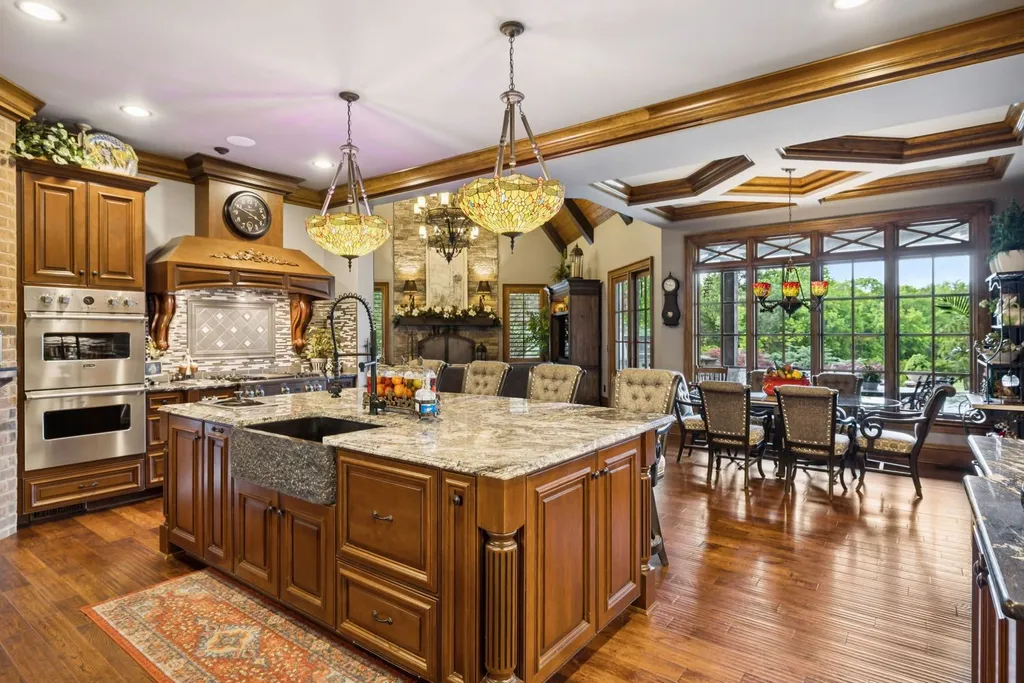
The kitchen includes features more commonly associated with hospitality environments than private homes, including a built-in steamer, deep fryer, and artisan pizza oven. Two outdoor dining and grilling pavilions further expand the property’s entertaining capacity beyond the main residence.
ADVERTISEMENT
ADVERTISEMENT
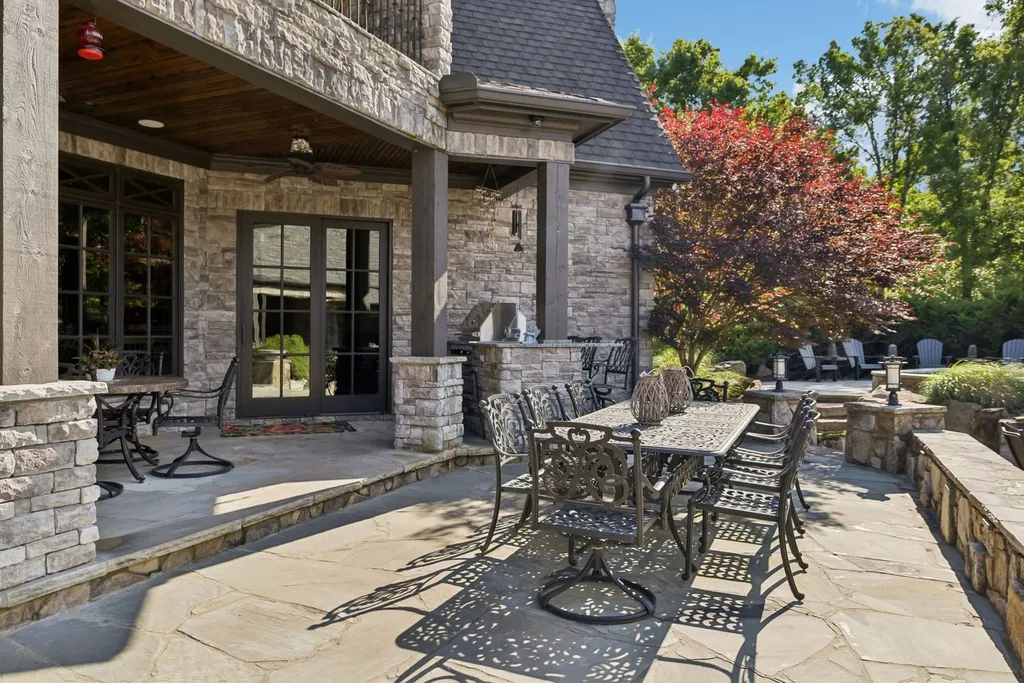
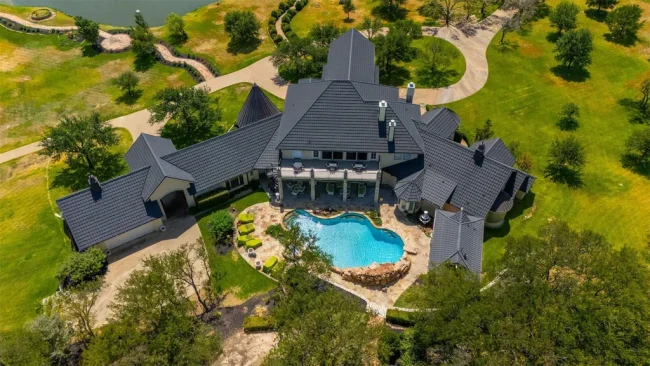
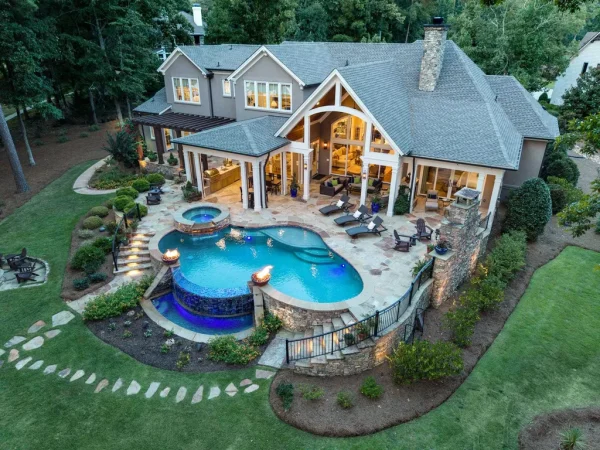
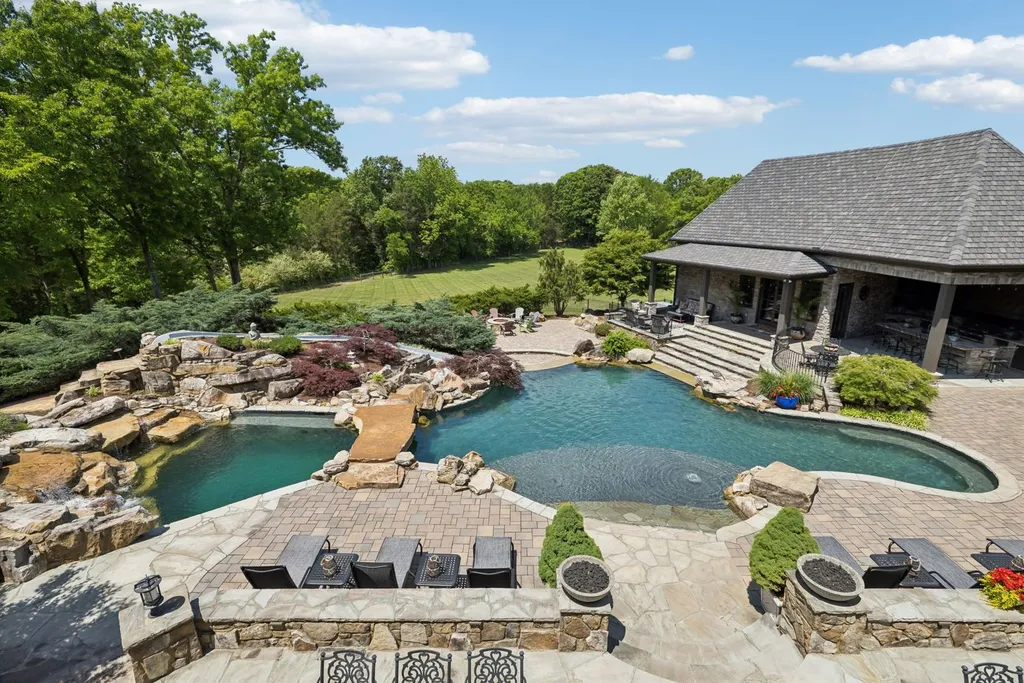
Outside, a large pool and spa complex is paired with a dedicated pool house built for events and extended gatherings. A billiards room with its own guest apartment and private entrance allows visitors to remain largely independent from the primary residence.
ADVERTISEMENT
Still, the property’s most interesting characteristic is the tension between openness and isolation.
The home was designed to accommodate people at scale, yet the surrounding acreage allows it to retreat almost entirely from neighboring visibility. That combination has become increasingly difficult to replicate as development continues spreading farther beyond Nashville’s urban core.
Tennessee’s Luxury Boom Is Changing Buyer Priorities
For much of the past decade, luxury buyers often gravitated toward visible prestige. Larger homes inside established gated communities carried the strongest market momentum.
That mindset has evolved.
Today, many affluent buyers appear more interested in control than visibility. Control over land. Control over privacy. Control over what may eventually be built nearby.
Properties like this are effectively selling that control.
That helps explain what drives luxury home prices in Tennessee at the upper end of the market. Buyers are increasingly evaluating long-term environmental stability alongside architecture and amenities.
The trend has become particularly noticeable in areas surrounding Nashville, where continued population growth and incoming wealth have gradually reduced the supply of large, insulated estates within reasonable reach of the city.
The Challenge With Estates at This Scale
Homes of this size create a different ownership equation than traditional luxury properties.
The amenities themselves are impressive, but they also introduce complexity. A climate-controlled wine cellar accessible by elevator, large recreational infrastructure, extensive landscaping, guest accommodations, and outdoor entertaining facilities all require substantial operational oversight.
Some buyers see those features as aspirational. Others quietly calculate the staffing, maintenance, and carrying costs attached to maintaining an estate at this level full time.
That reality naturally narrows the buyer pool.
This is not the type of property typically purchased because inventory feels tight. It requires a buyer who specifically wants acreage, separation, and self-contained living while still remaining connected to Nashville’s economic and cultural orbit.
Why Properties Like This Attract a Narrow Buyer Pool
The seller is utilizing a structured “highest and best offer” process, with offers requested by July 1 while reserving the right to accept an offer beforehand. That strategy has become increasingly common for highly unique properties where pricing is difficult to anchor to conventional comparable sales.
ADVERTISEMENT
Ultimately, estates like this tend to appeal less to broad luxury demand and more to highly specific buyer psychology.
The buyer is not simply purchasing a house. They are purchasing the ability to control an environment over the long term. Near Nashville, that may become increasingly difficult to find as growth continues pushing outward into once-rural areas of Tennessee.
Representation and Source
- The property is represented by Nathan Throneberry of LUXBid and Tom Murray of ATLAS GLOBAL REAL ESTATE.
- Source listing: RealTracs MLS, details on Zillow