The Hearst Estate in Beverly Hills: A Historic Landmark Where Hollywood Legacy Meets Market Reality
The Hearst Estate in Beverly Hills is a historic 29,000 square foot mansion built in 1926 and once home to William Randolph Hearst. Known for its architectural significance and cultural legacy, the property later sold at a significant adjustment, reflecting changing dynamics in the luxury real estate market.
ADVERTISEMENT
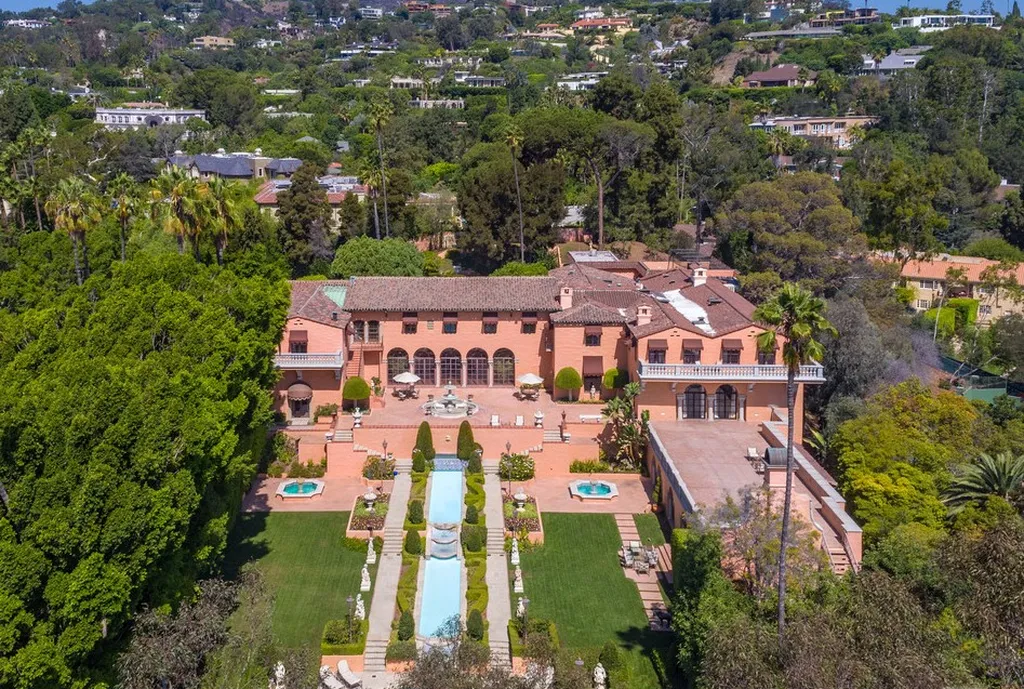
The Hearst Estate, Beverly Hills, California
Property Overview
Hidden behind one of the longest private driveways in Beverly Hills, The Hearst Estate stands as one of the most historically significant residences in Los Angeles. Built in 1926 and spanning approximately 29,000 square feet, the property represents a rare intersection of architecture, cultural history, and modern market dynamics.
Positioned on more than three acres just minutes from Sunset Boulevard, the estate carries a legacy shaped by some of the most influential figures of the twentieth century. William Randolph Hearst lived here during the final years of his life, alongside actress Marion Davies. The home later became widely known as a retreat for political and cultural elites, including John F Kennedy and Jacqueline Kennedy during their early years together.
ADVERTISEMENT
In a market increasingly dominated by new construction and speculative scale, properties like this occupy a very different category. They are not defined solely by size or amenities, but by history that cannot be replicated.
Key Property Details
- Location: 1011 N Beverly Drive, Beverly Hills, California
- Bedrooms: 9
- Bathrooms: 15
- Living area: Approximately 29,000 square feet
- Lot size: Approximately 3.53 acres
- Year built: 1926
- Architect: Gordon Kaufmann
Scale, Design, and Living Experience
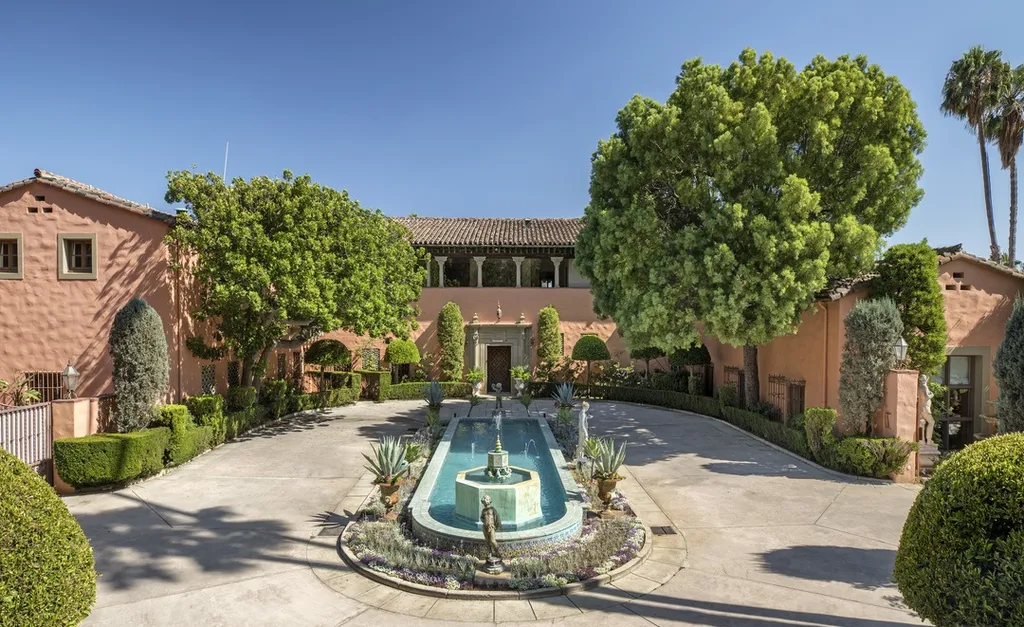
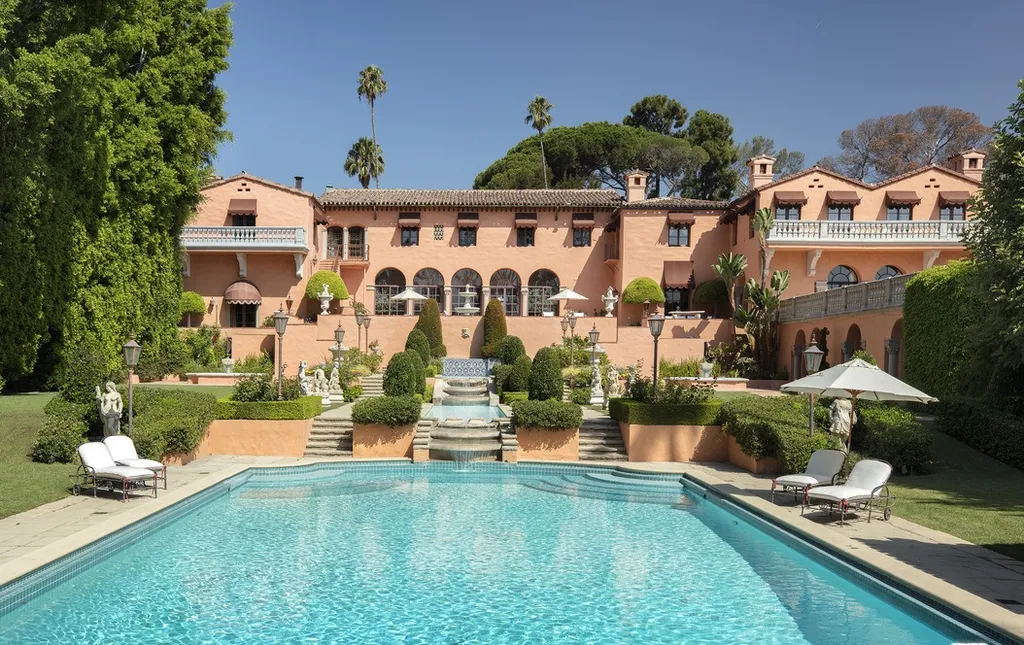
Designed by Gordon Kaufmann, the architect behind many of Southern California’s landmark civic buildings, the residence blends Spanish and Italian influences into a cohesive and highly controlled composition. The H shaped layout creates both symmetry and separation, allowing large scale entertaining without sacrificing privacy.
ADVERTISEMENT
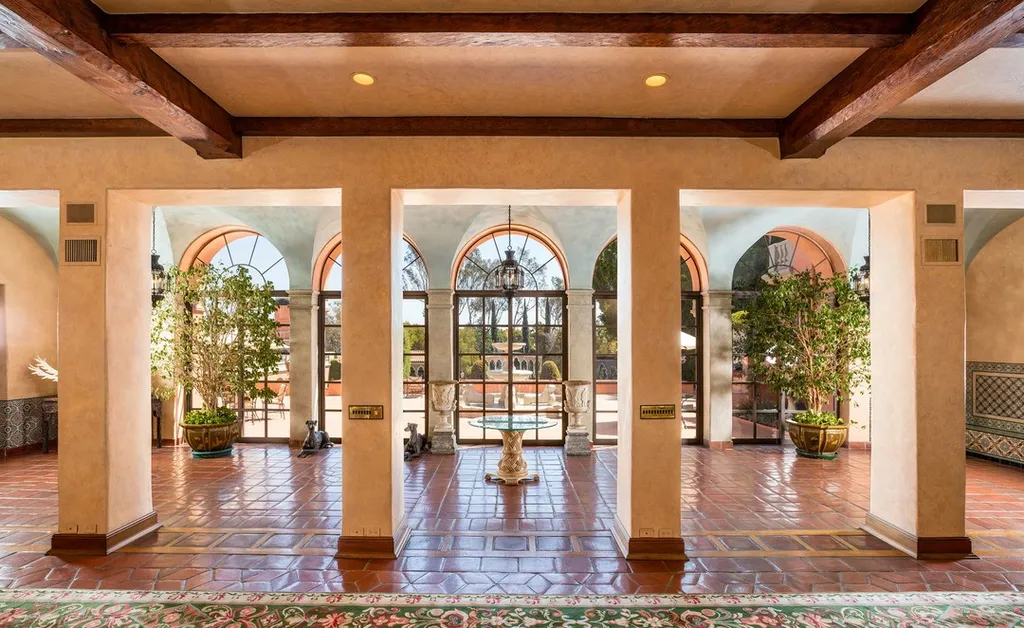
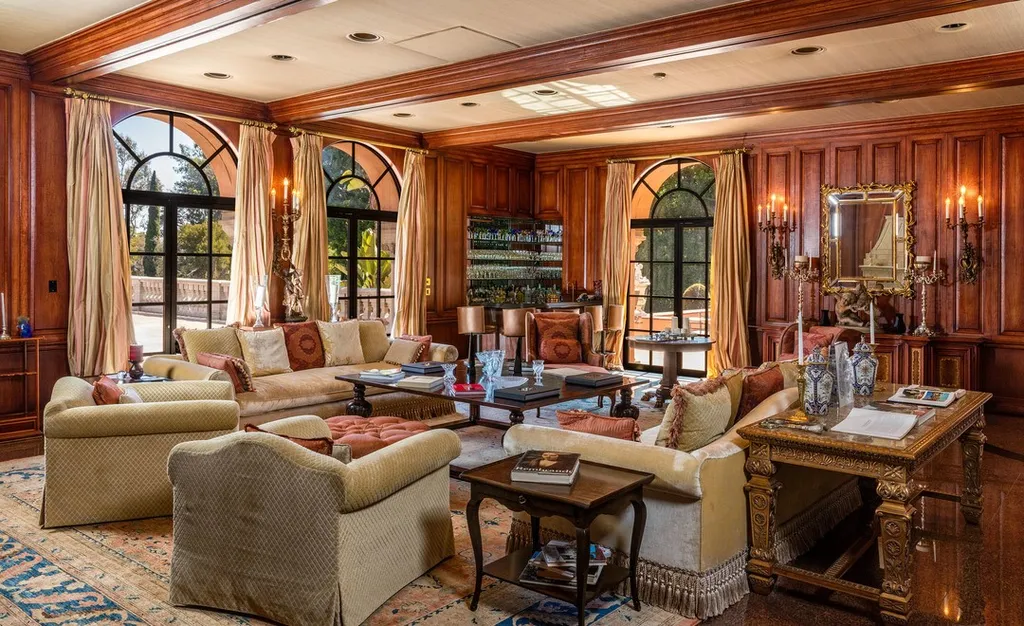
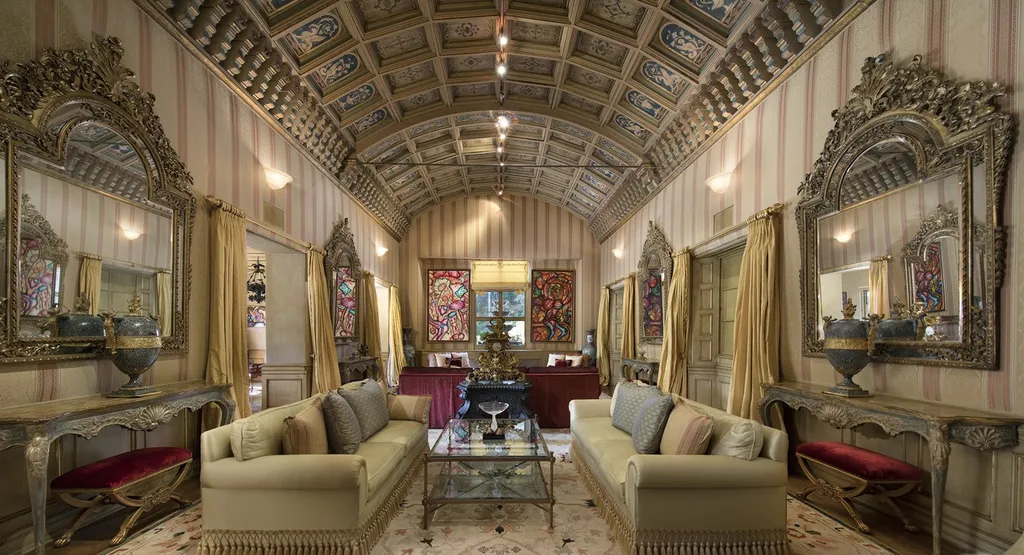
The main level is anchored by a 50 foot entrance hall that leads into a formal living room defined by a 22 foot arched ceiling with hand painted detailing. The scale is immediately apparent, but the craftsmanship prevents the space from feeling excessive.
ADVERTISEMENT
ADVERTISEMENT
ADVERTISEMENT
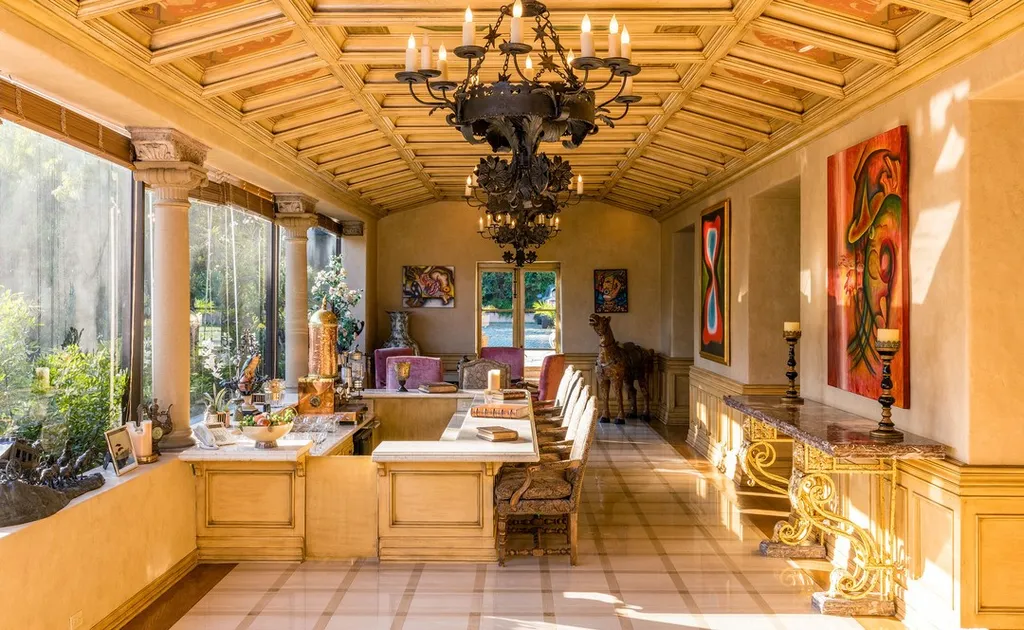
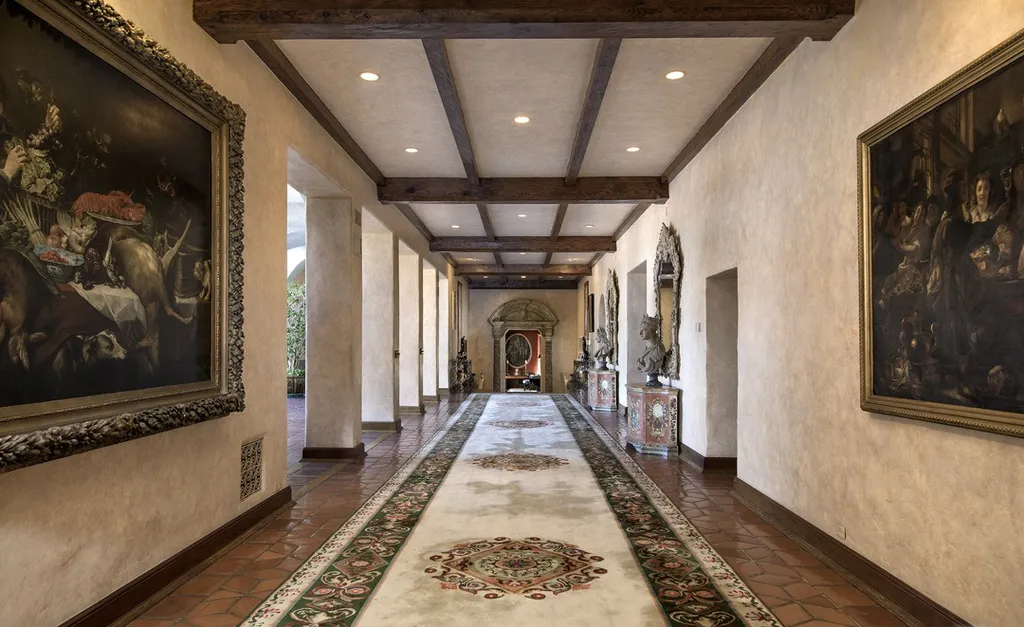
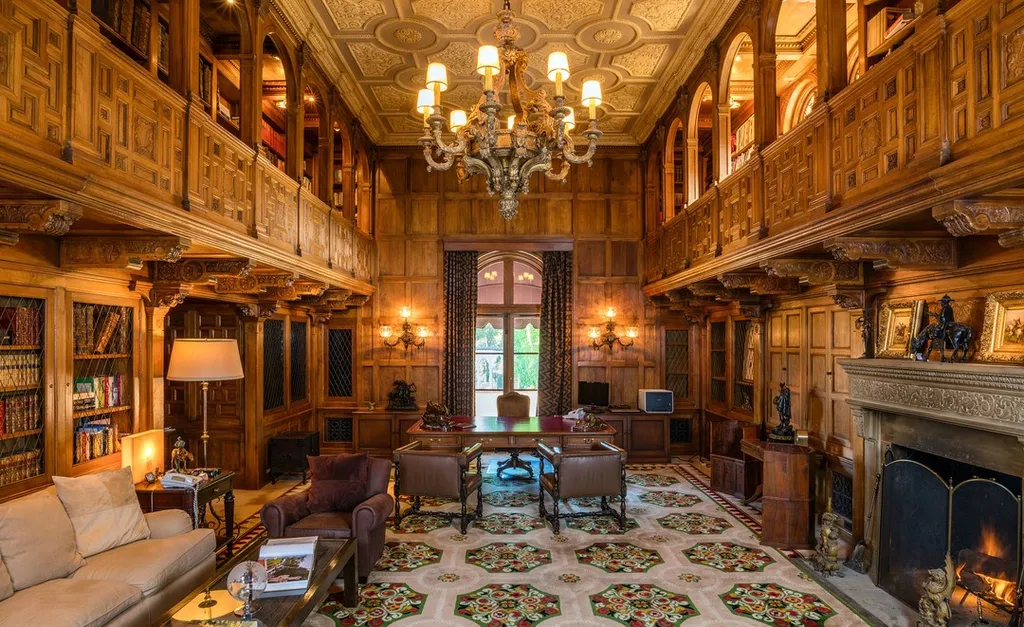
A two story wood paneled library remains one of the most distinctive rooms in the home. With carved detailing and a wraparound balcony, it echoes the architectural language of Hearst Castle while maintaining a more intimate residential atmosphere.
ADVERTISEMENT
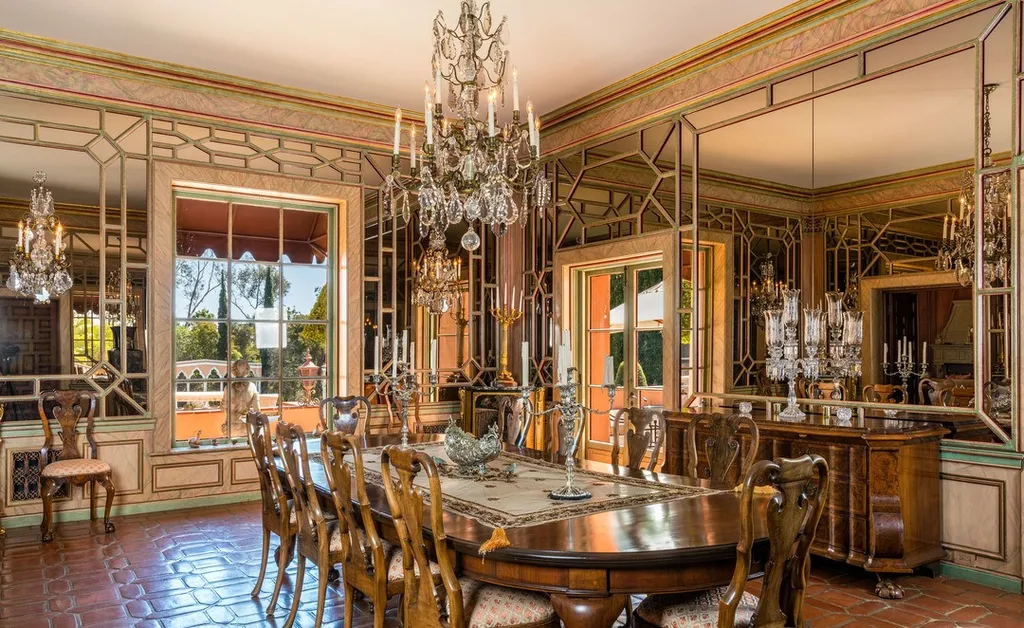
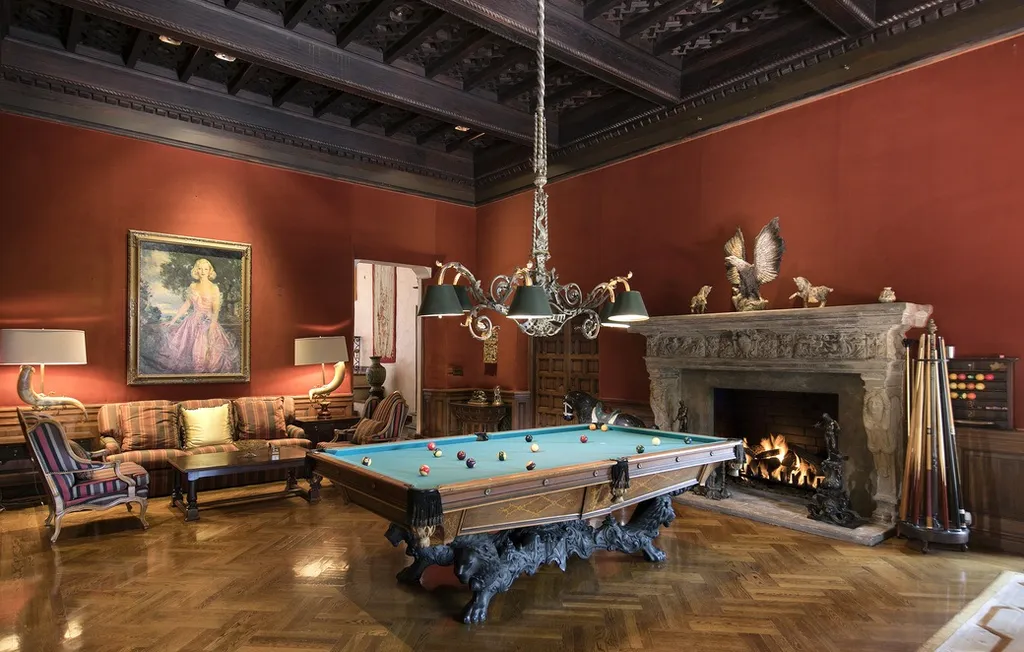
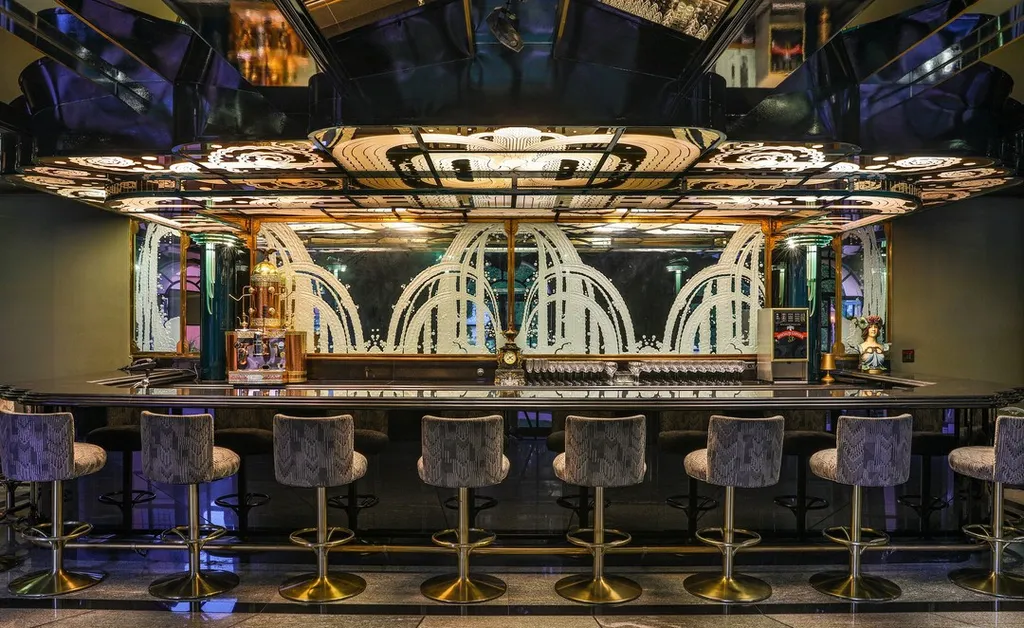
Entertainment was clearly a central priority. The estate includes a billiards room, multiple screening rooms, and a lower level nightclub designed in an art deco style. At its peak, the property could accommodate events for up to one thousand guests, a capacity that places it far beyond typical residential use.
ADVERTISEMENT
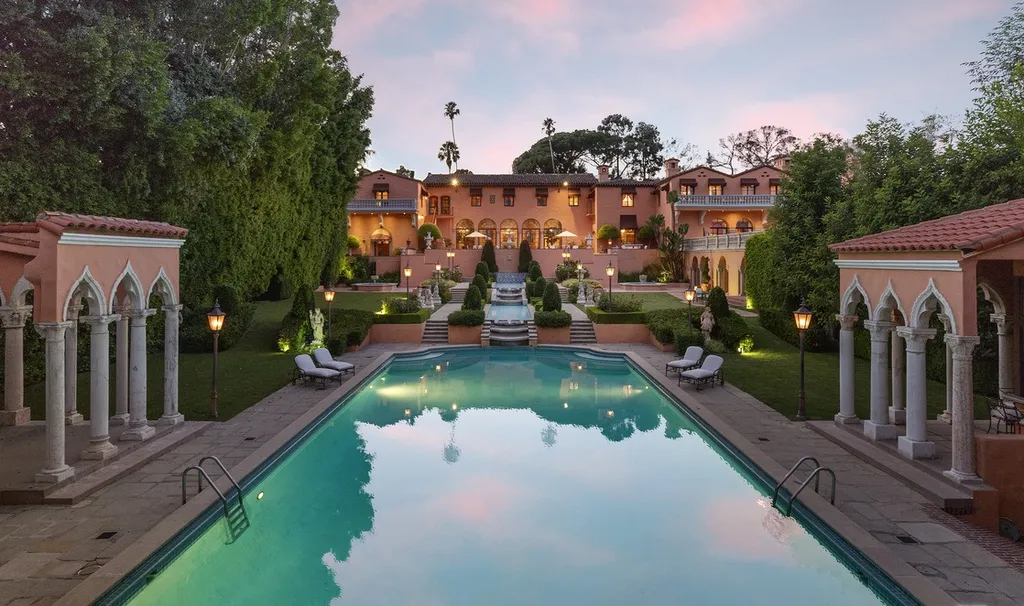
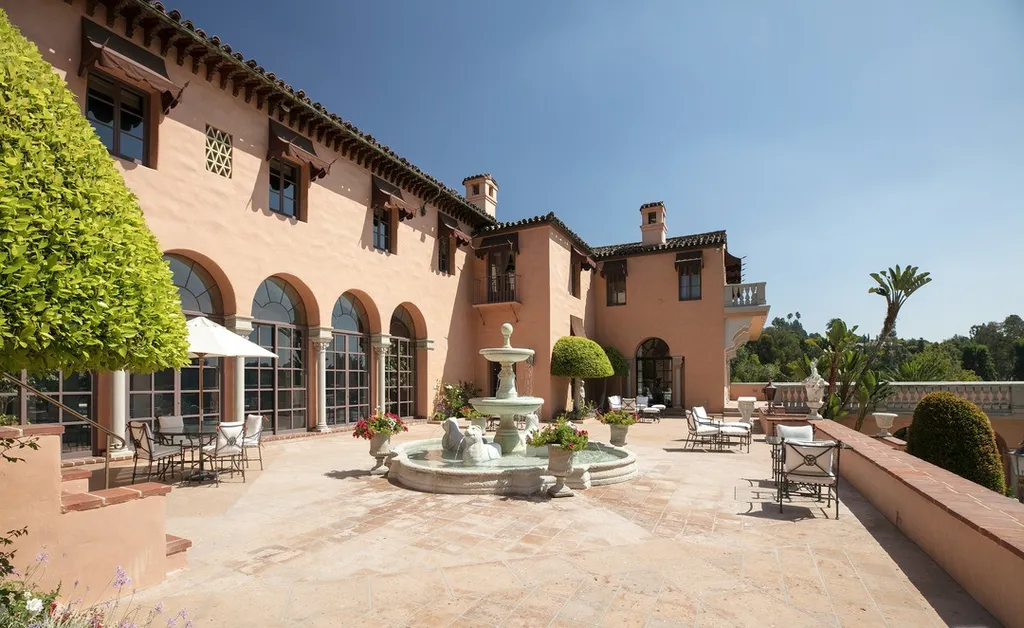
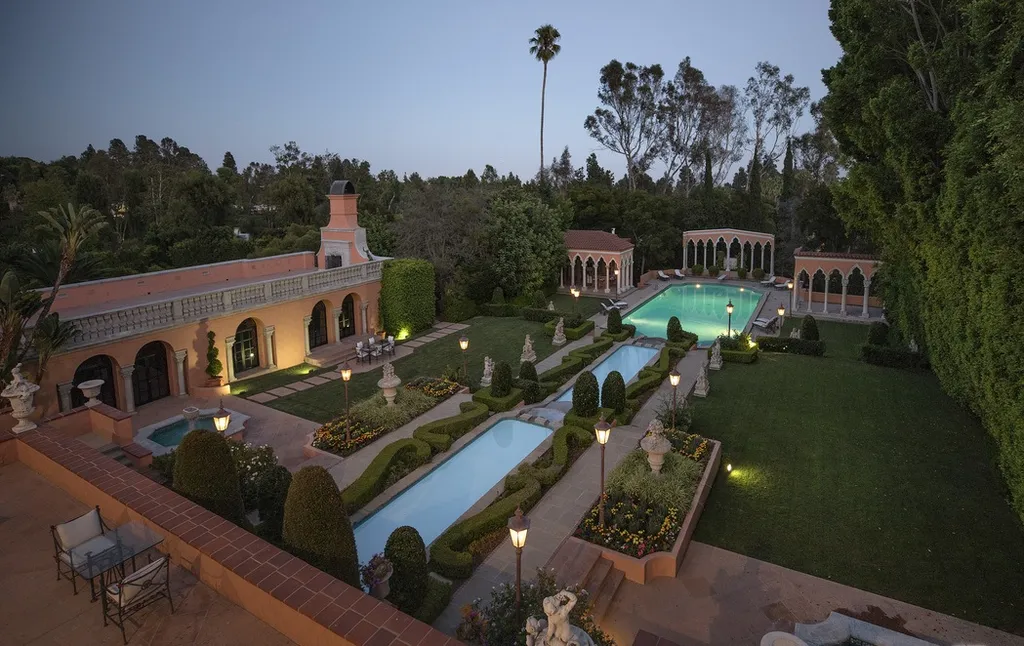
Outdoor spaces extend the experience further. Terraces, landscaped grounds, and an Olympic sized pool create a setting that feels closer to a private resort than a traditional estate. Additional structures, including a guest house, gatehouse, and tennis pavilion, reinforce the idea of a self contained compound rather than a single residence.
ADVERTISEMENT
ADVERTISEMENT
Comparable estates such as The Manor in Los Angeles or Villa Firenze have pursued similar scale, but the difference here lies in the depth of historical identity embedded in the architecture itself.
Ownership, Pricing, and Market History
The history of The Hearst Estate is layered, and its market performance reflects that complexity.
Originally built for banking executive Milton Getz, the property later became closely associated with William Randolph Hearst after Marion Davies acquired it on his behalf. This period defined the estate’s place in American cultural history, linking it to both Hollywood and the broader media landscape of the twentieth century.
Decades later, the property entered a very different phase.
By the late 2010s, it was introduced to the market at levels exceeding $100 million, reflecting a broader trend where historically significant estates were positioned as trophy assets. However, the response from buyers did not match those expectations.
In 2021, the situation became more complex when the property was tied to a Chapter 7 bankruptcy process. A court supervised sale introduced a level of transparency rarely seen at this tier, with structured bidding requirements and a defined minimum overbid threshold.
The final transaction closed at approximately $63.1 million in October 2021.
That number tells a clear story.
From an initial asking price of $135 million, the estate ultimately traded at less than half of its earlier positioning. Even after being reintroduced at $69.95 million, further price adjustments were required before a deal could be reached.
This pattern is not unique. Across the segment of largest homes in California, similar outcomes have emerged where scale and historical significance do not automatically translate into liquidity.
What becomes clear is that even the most iconic properties must align with market expectations. Prestige may define the narrative, but pricing ultimately determines the outcome.
For a broader context, the California luxury real estate market continues to show increasing sensitivity at the highest price points, where buyers are more selective and less influenced by legacy alone.
According to the listing agent:
The Hearst Estate is widely regarded as one of the most iconic residences in Los Angeles. Designed by Gordon Kaufmann, the home blends Spanish and Italian architectural elements while offering expansive entertaining spaces, including a grand living room with a 22 foot ceiling, a two story library, screening rooms, and a private nightclub.
The property also features extensive outdoor amenities, including terraces, landscaped grounds, an Olympic sized pool, and multiple guest accommodations, all positioned within a private compound setting in Beverly Hills.
There are very few properties where history carries as much weight as architecture.
The Hearst Estate is one of them.
Yet its recent transaction history reveals something equally important. Even the most iconic homes are not immune to market forces.
In today’s environment, scale, story, and prestige still matter, but they are no longer enough on their own. Buyers at this level are increasingly disciplined, and even legacy estates must ultimately reflect that reality.