Largest Homes in California and What It Really Costs to Own Them
ADVERTISEMENT
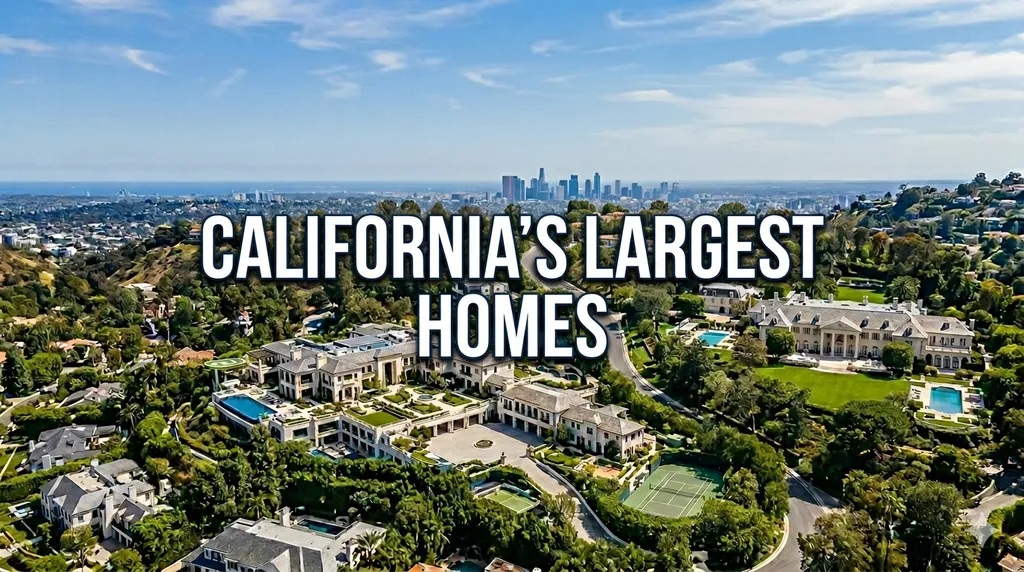
At the very top of the California luxury real estate market, size no longer guarantees value, and in many cases, it makes selling even harder.
The largest homes in California operate in a segment where traditional pricing rules begin to lose relevance. Buyer pools become extremely limited, liquidity becomes uncertain, and ownership reflects broader shifts in global wealth. These estates are not simply large properties. They are assets shaped by capital flows, personal events, and evolving market behavior.
This list does more than rank size. It reveals who controls the most significant private residential assets in California and what those properties say about the luxury market in the United States.
#1 The One: A $500 Million Vision That Reset the Market
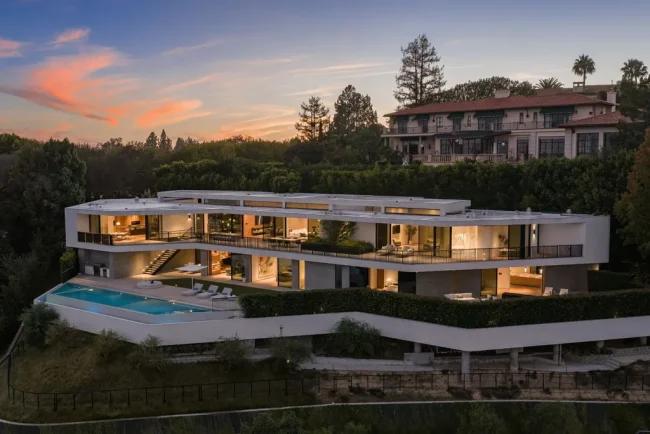
At more than 100,000 square feet, The One in Bel Air was designed to redefine the upper limit of residential real estate, not only in California but on a global scale. Perched above Los Angeles, the estate was conceived as a private resort, featuring a nightclub, a wellness center, multiple pools, and uninterrupted views stretching toward the Pacific.
ADVERTISEMENT
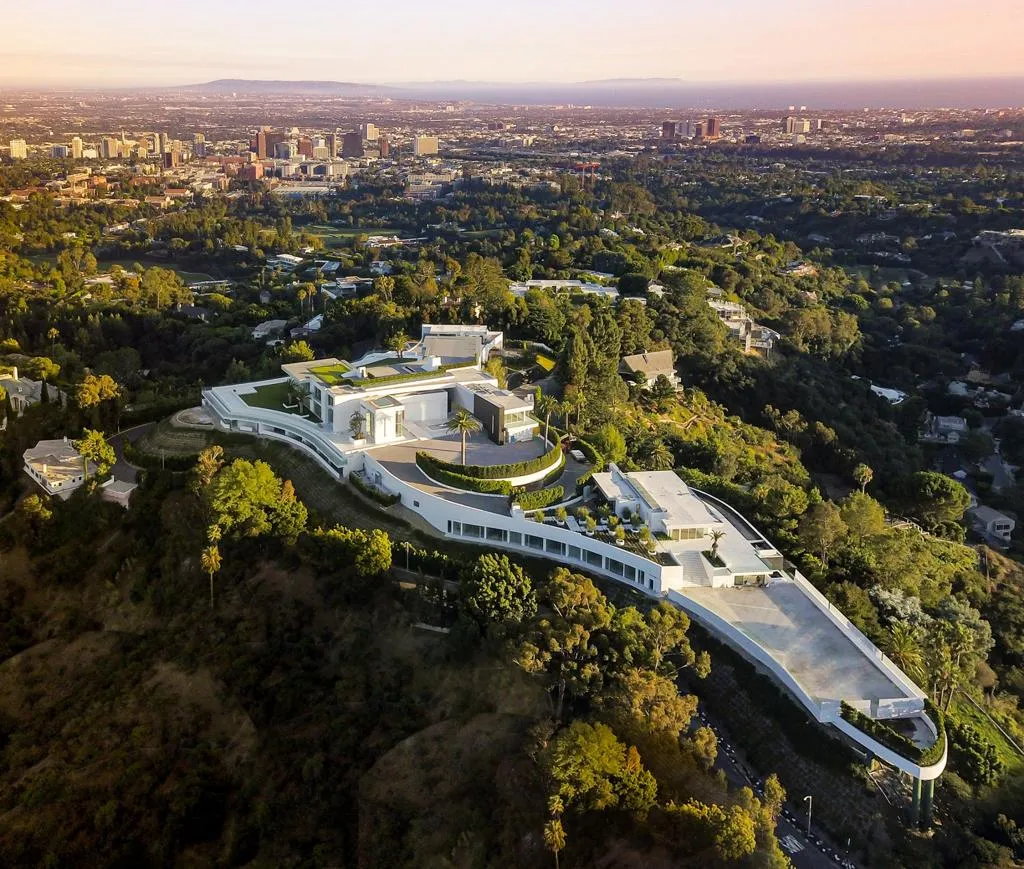
What defines the property today is not its scale, but its outcome.
Developed by Nile Niami, The One entered the market with an aspirational valuation approaching $500 million. That level proved unsustainable. After years of delays and mounting debt, the estate entered receivership and was ultimately sold at auction in 2022.
The buyer, Richard Saghian, acquired the property for approximately $126 million, with the total purchase exceeding $140 million. This represents a discount of more than 70% from its peak valuation, making it one of the most significant corrections ever recorded in the U.S. luxury housing market.
This was not an isolated case. It revealed a deeper structural reality. Once a property crosses the $100 million threshold, pricing becomes theoretical, reflecting what drives luxury home prices in California at the very top of the market.
Saghian’s acquisition also reflects a shift in the profile of buyers. The ultra prime segment is no longer defined solely by inherited wealth. It is increasingly shaped by entrepreneurs who can deploy capital quickly when opportunities arise.
Owning The One is not simply about acquisition, but also reflects the cost of owning a luxury home in California at this scale.
- Estimated property taxes range from approximately $1.5M to $2M annually
- Staffing, security, and operations can reach $2M to $4M
- Maintenance, insurance, and utilities add another $1M to $2M
Total annual carrying cost is approximately $5M to $8M+
The One is no longer a record setting mansion. It stands as a clear example of how ambition, leverage, and market reality intersect at the highest level of California real estate.
#2 The Manor: From Hollywood Excess to Silicon Valley Capital
At approximately 56,500 square feet, The Manor in Holmby Hills remains one of the largest private residences ever built in Los Angeles. Its significance, however, extends far beyond its size.
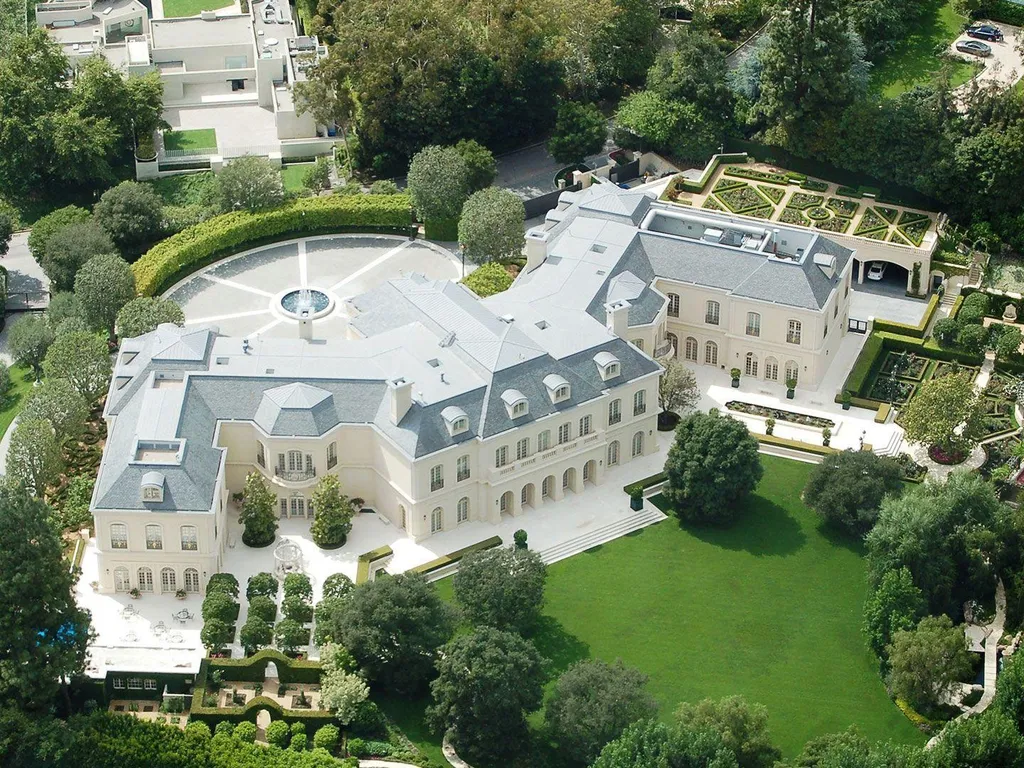
Constructed in 1988 for Aaron Spelling, the estate reflected a specific era when Hollywood wealth translated directly into architectural scale. With dozens of highly specialized rooms, the property was designed for display rather than efficiency.
That era has now passed.
The estate later changed hands multiple times, including a high profile acquisition by Petra Ecclestone. In 2019, it sold for approximately $119.75 million. More recently, the property entered a new phase when it was acquired by Eric Schmidt for roughly $110 million.
That figure represents a clear reset of around 8 to 10% compared with its prior transaction, despite continued growth in global wealth.
The implication is difficult to ignore. Even at the highest tier, buyers are no longer valuing properties based on prestige alone.
Schmidt’s ownership also reflects a broader transition. Technology driven capital has increasingly replaced entertainment wealth as a dominant force in Los Angeles real estate.
Ownership costs remain significant.
- Property taxes are estimated at approximately $1.2M annually
- Staffing and estate operations range from $1.5M to $3M
- Maintenance, insurance, and utilities exceed $1M
Estimated annual cost is approximately $3.5M to $5.5M
The Manor now represents a shift between two eras, where legacy prestige meets a more disciplined and financially driven market.
#3 Hacienda de la Paz: A 51,000-Square-Foot Estate Built to Avoid the Market
Hacienda de la Paz in Palos Verdes stands apart from nearly every other property on this list, not because of its size, but because of its purpose.
ADVERTISEMENT
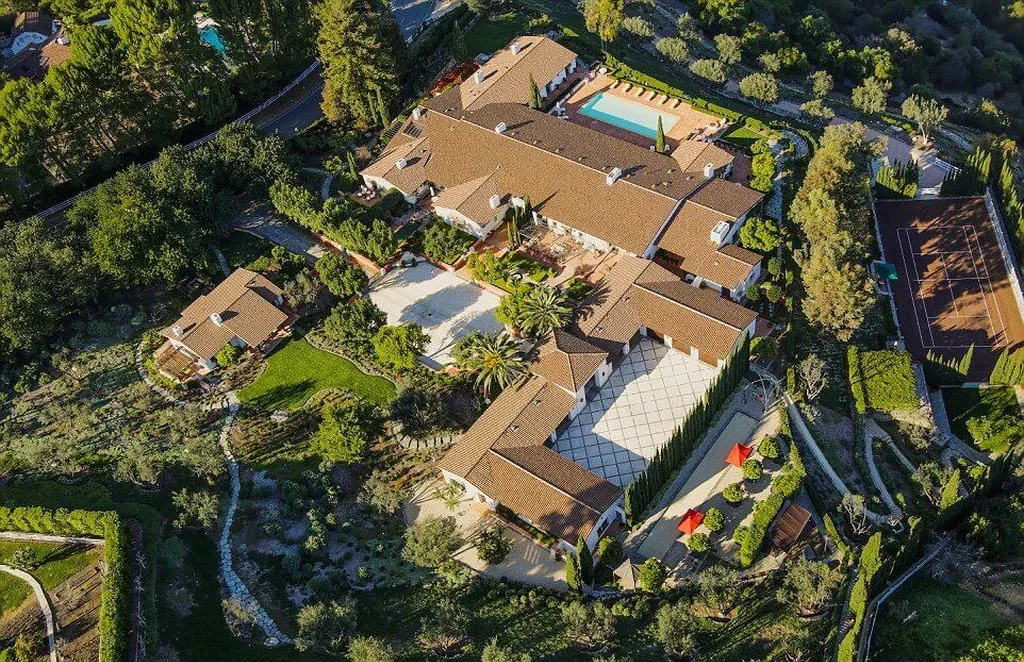
Spanning approximately 51,000 square feet, the estate was developed by John Z. Blazevich as a long term private residence rather than a speculative asset. That distinction is central to understanding its role.
Located on the Palos Verdes Peninsula, the property was shaped by strict coastal regulations that required a significant portion of the structure to be built underground. This approach increased both complexity and cost, turning the project into an engineering solution as much as an architectural one.
Unlike estates built for resale, properties of this kind rarely enter the open market. They are designed to be held over time.
This reflects a different form of wealth behavior.
- Not opportunistic
- Not driven by short term liquidity
- Focused instead on long term control and privacy
Estimated annual costs reflect that positioning.
- Property taxes range from approximately $800K to $1.2M
- Estate management and staffing range from $1M to $2.5M
- Maintenance and specialized systems add approximately $700K to $1.5M
Total annual cost is approximately $2.5M to $5M
In a market often driven by visibility and price volatility, Hacienda de la Paz represents the opposite approach. It is not about how to sell, but how to avoid selling altogether.
#4 The Pritzker Estate: When Legacy Wealth Becomes a Liquidity Event
At roughly 49,000 square feet, the Pritzker Estate in Los Angeles ranks among the largest private residences in the city. Its significance lies less in scale and more in the circumstances surrounding its availability.
ADVERTISEMENT
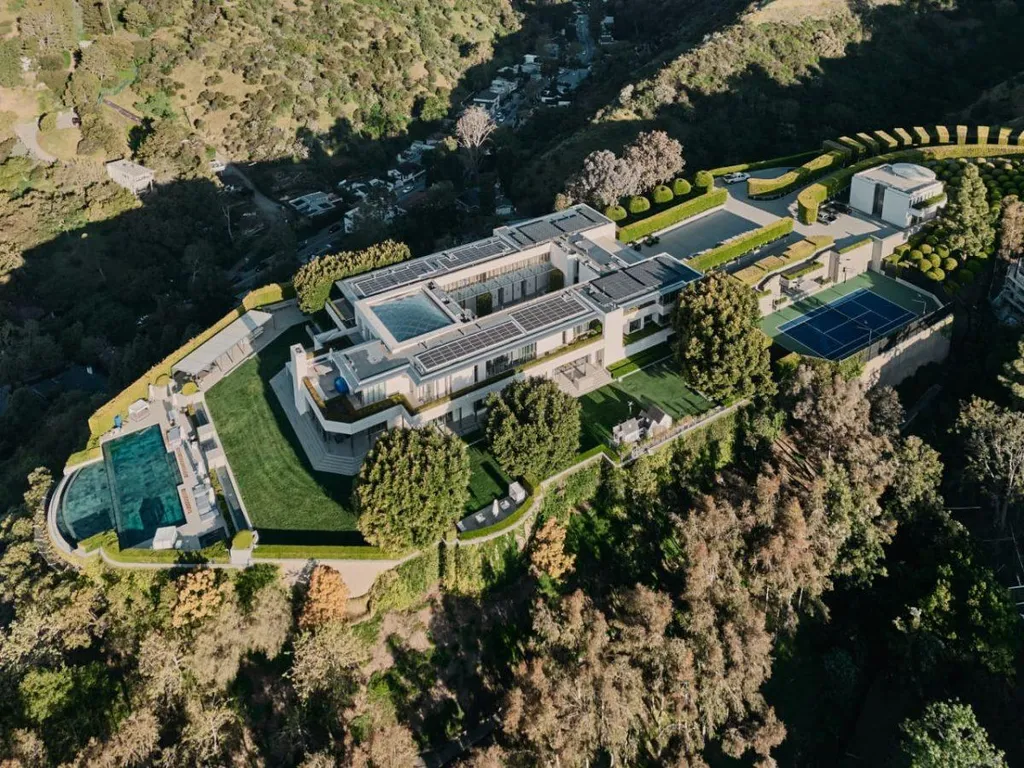
The property is owned by Tony Pritzker, a member of the family behind Hyatt Hotels Corporation and chairman of Pritzker Private Capital. The estate entered the market following his divorce from Jeanne Pritzker.
This context is essential.
At this level, ultra luxury properties rarely become available without a specific catalyst. In this case, the listing reflects a liquidity event within one of the most established family fortunes in the United States.
Originally marketed near $195 million, the estate sits at the upper boundary of residential pricing. Yet it remains subject to the same constraints as the broader luxury market, including a limited pool of buyers, high ownership costs, and increased scrutiny.
Estimated annual ownership costs are substantial.
- Property taxes range from approximately $1M to $1.5M
- Staffing and operations range from $1.5M to $3M
- Maintenance, insurance, and utilities exceed $1M
Total annual cost is approximately $3M to $6M
The Pritzker Estate illustrates a clear reality. Even legacy wealth must respond to financial pressures when liquidity becomes necessary.
#5 Villa Firenze: A $100 Million Expectation That Settled at $52 Million
Spanning approximately 29,000 square feet of interior living space across nearly nine acres in Beverly Hills, Villa Firenze is defined as much by its land as by its built form.
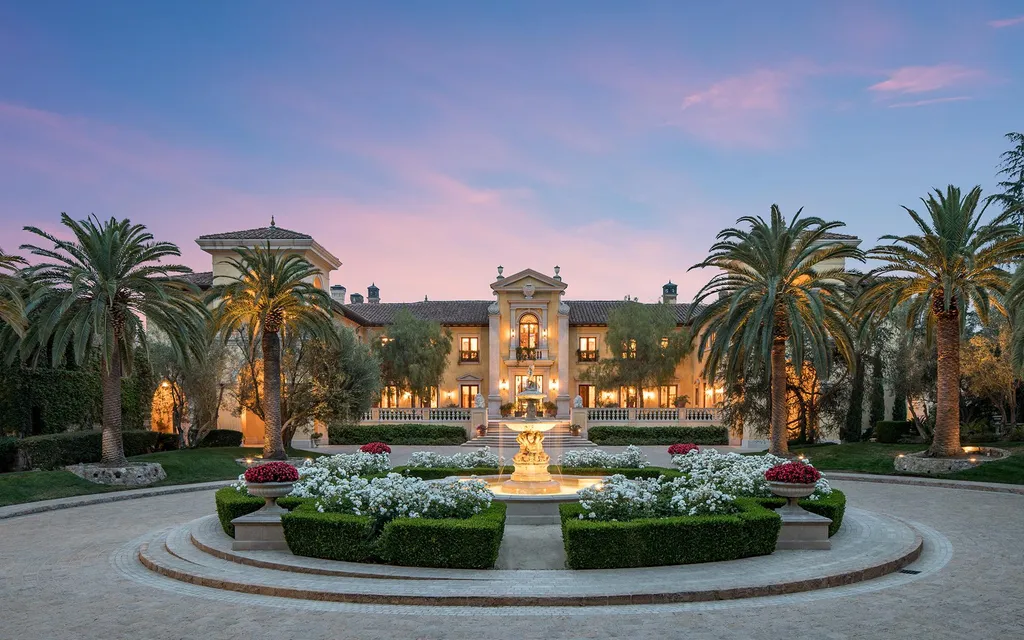
For years, the estate was positioned as a trophy property, with asking prices exceeding $100 million. Market response, however, told a different story.
After extended time on the market, the estate ultimately sold in 2023 for approximately $52 million, representing a reduction of nearly 50% from its initial expectations.
This outcome reflects broader California luxury real estate market trends, particularly at the ultra high end.
As scale increases, liquidity tends to decrease.
Even when land is abundant, buyers evaluate these properties carefully, taking into account long term maintenance, operating costs, and resale potential.
Estimated annual ownership costs are as follows.
- Property taxes range from approximately $800K to $1.2M
- Staffing and estate management range from $1M to $2.5M
- Maintenance, landscaping, and utilities exceed $1M
Total annual cost is approximately $3M to $5M+
Villa Firenze is not a failure. It represents a market correction and highlights the gap between expectation and reality.
#6 The Hearst Estate: A 70% Discount on a Century of History
Originally commissioned by William Randolph Hearst in the 1920s, the Hearst Estate spans approximately 29,000 square feet of interior space, making it one of the largest historic residences in Los Angeles.
ADVERTISEMENT
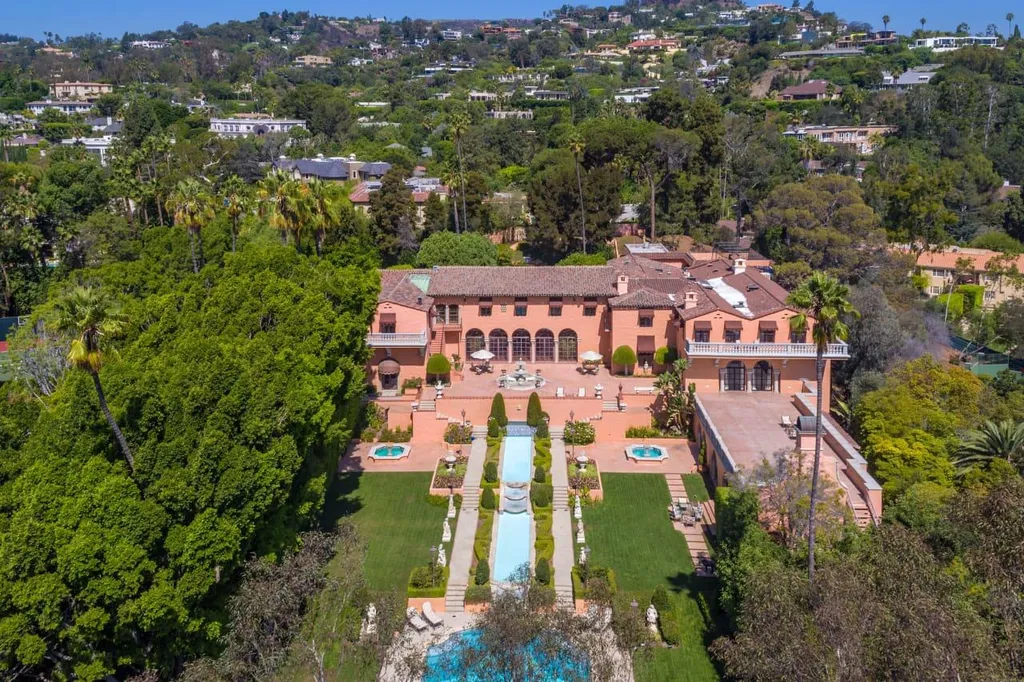
Despite its legacy and cultural significance, the property struggled to sustain its valuation in the modern market.
It was once listed at close to $200 million before ultimately selling at auction for approximately $63 million, representing a reduction of roughly 65 to 70%.
This outcome reinforces a fundamental truth.
Cultural importance does not guarantee financial performance.
Modern buyers evaluate properties based on usability, cost, and long term positioning, rather than history alone.
Estimated annual ownership costs remain significant.
- Property taxes range from approximately $700K to $1M
- Staffing and operations range from $1M to $2M
- Maintenance and preservation range from approximately $800K to $1.5M
Total annual cost is approximately $2.5M to $4.5M
The Hearst Estate remains an important cultural asset, but its transaction history highlights the limits of nostalgia in a market driven by financial discipline.
#7 Chartwell Estate: Iconic Visibility, Measured Value
Chartwell Estate, one of the most recognizable private homes in the United States, offers approximately 25,000 square feet of interior living space set across nearly 10 acres in Bel Air.
ADVERTISEMENT
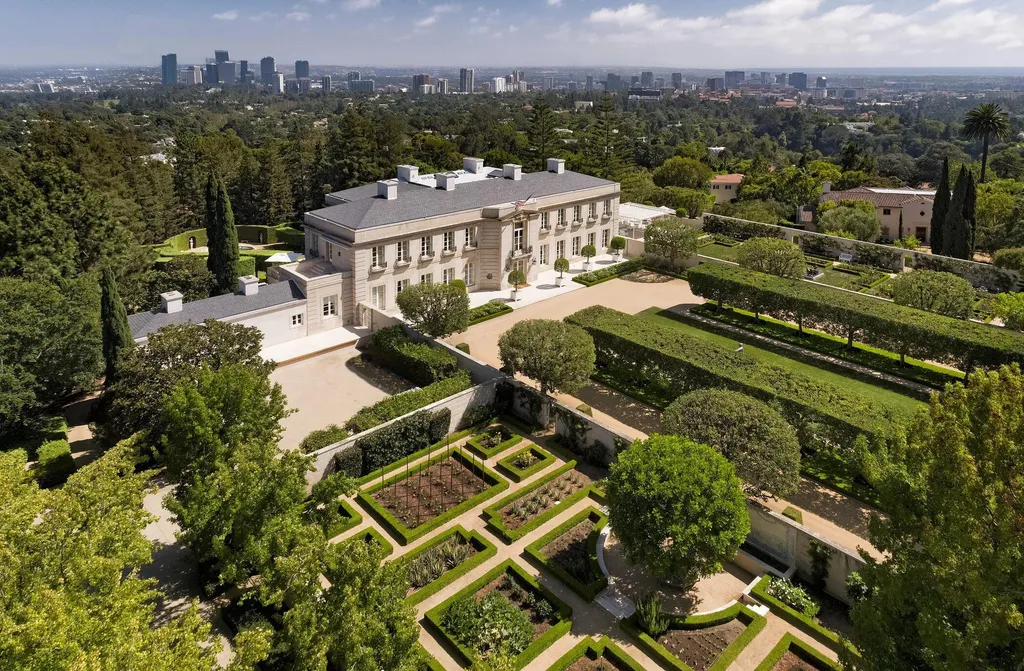
More recently, the estate entered a new ownership phase under Lachlan Murdoch, strengthening its connection to global media influence.
Despite its visibility, the property followed a familiar pattern in the market, moving from ambitious pricing toward a more realistic valuation.
Visibility attracts attention. It does not guarantee liquidity.
Estimated annual ownership costs are substantial.
- Property taxes exceed $1M
- Staffing and operations range from $1.5M to $3M
- Maintenance and grounds management range from $1M to $2M
Total annual cost is approximately $3M to $6M
Chartwell endures not because it is the largest, but because it combines land, architecture, and cultural identity in a way that remains difficult to replicate.
What These Homes Reveal About California’s Ultra Luxury Market
Taken together, these estates reveal a market shaped by more than scale.
Across the highest tier of California real estate, several structural shifts are now clear.
- Pricing has become more disciplined, even for trophy assets
- Ownership now spans technology, fashion, media, and global hospitality
- Long term carrying costs, often exceeding $3M to $8M annually, are central to acquisition decisions
Compared to markets such as Miami or New York, California presents stricter zoning, limited land supply, and higher regulatory barriers. These factors make large estates more difficult to build, but do not remove pricing pressure.
At this level, the defining question is no longer how large a home can be, as many of these estates also rank among the most expensive homes in California.
It is who is willing to own it, and at what long term cost.