Hacienda de la Paz: One of the Largest Private Estates in California
Hacienda de la Paz is one of the largest homes in California, spanning over 51,000 square feet on 7.4 acres in Rolling Hills. Built over 17 years as a private legacy estate, it later sold for far below its original asking price, highlighting how even the most ambitious properties must align with market demand.
ADVERTISEMENT
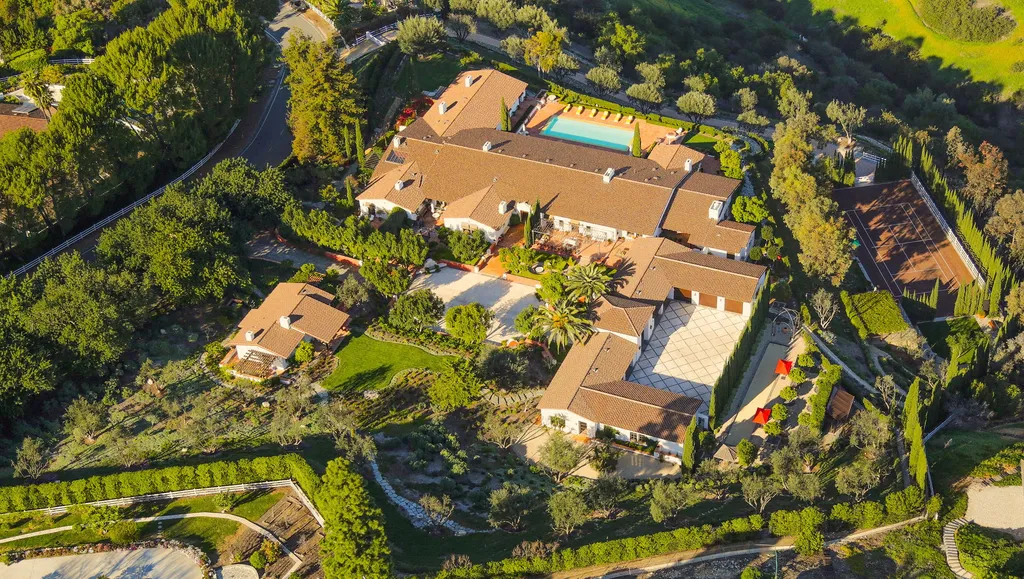
Hacienda de la Paz in Rolling Hills stands as one of the largest private residences in California, but its significance goes far beyond scale. Built over nearly two decades by financier John Z. Blazevich, the estate was never intended to function as a typical luxury listing. Instead, it represents a highly personal vision shaped by art, architecture, and long term permanence rather than resale logic.
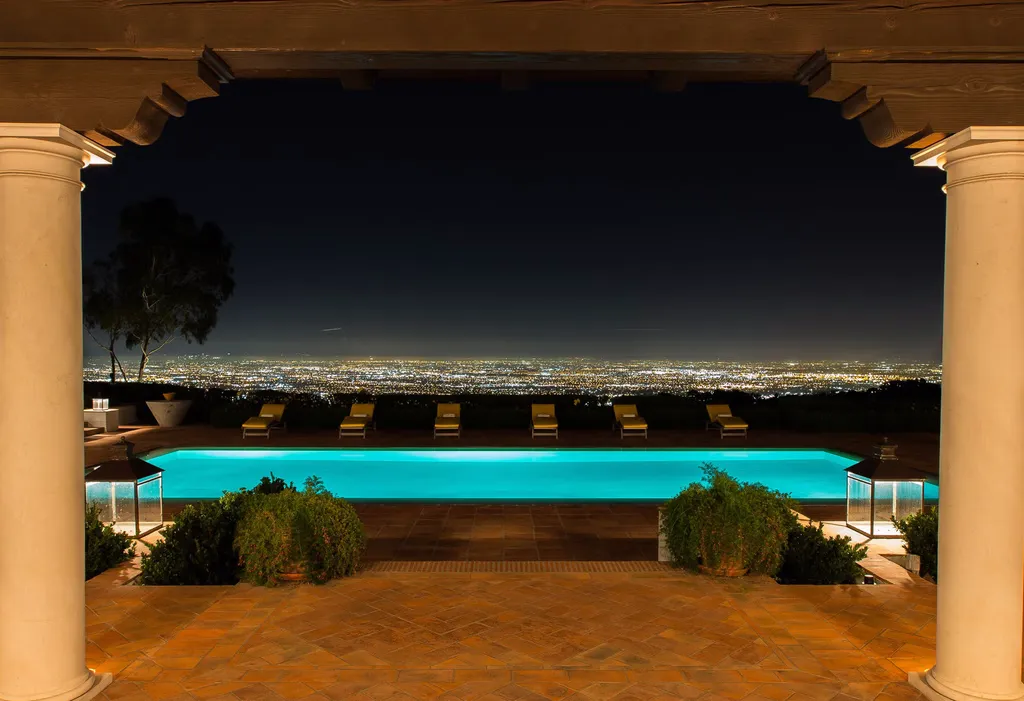
Perched high above Los Angeles on the Palos Verdes Peninsula, the property offers panoramic views that stretch from the Pacific Ocean to downtown and the San Gabriel Mountains. Yet what defines Hacienda de la Paz is not the view or even its 51,000 square feet of living space. It is the idea behind it.
Hacienda de la Paz in Rolling Hills, California
Property Overview
Located within the guard gated city of Rolling Hills, one of the most private and tightly controlled communities in the United States, Hacienda de la Paz occupies a rare position both geographically and philosophically. The city itself restricts commercial activity and prioritizes equestrian living, which immediately separates it from more transactional luxury hubs like Beverly Hills or Bel Air.
This setting matters. It reinforces the estate’s original purpose as a retreat rather than an investment vehicle. From the beginning, Hacienda de la Paz was designed to exist outside the normal cycles of the California luxury real estate market.
Key Property Details
- Location: 1 Buggy Whip Dr, Rolling Hills, California
- Living area: 51,000 square feet
- Lot size: 7.4 acres
- Bedrooms: 9
- Bathrooms: 25
- Year built: 2001
- Architect: Rafael Martos
- Listing status on Zillow
ADVERTISEMENT
ADVERTISEMENT
ADVERTISEMENT
ADVERTISEMENT
ADVERTISEMENT

ADVERTISEMENT
ADVERTISEMENT
ADVERTISEMENT
ADVERTISEMENT
Scale, Design, and Living Experience
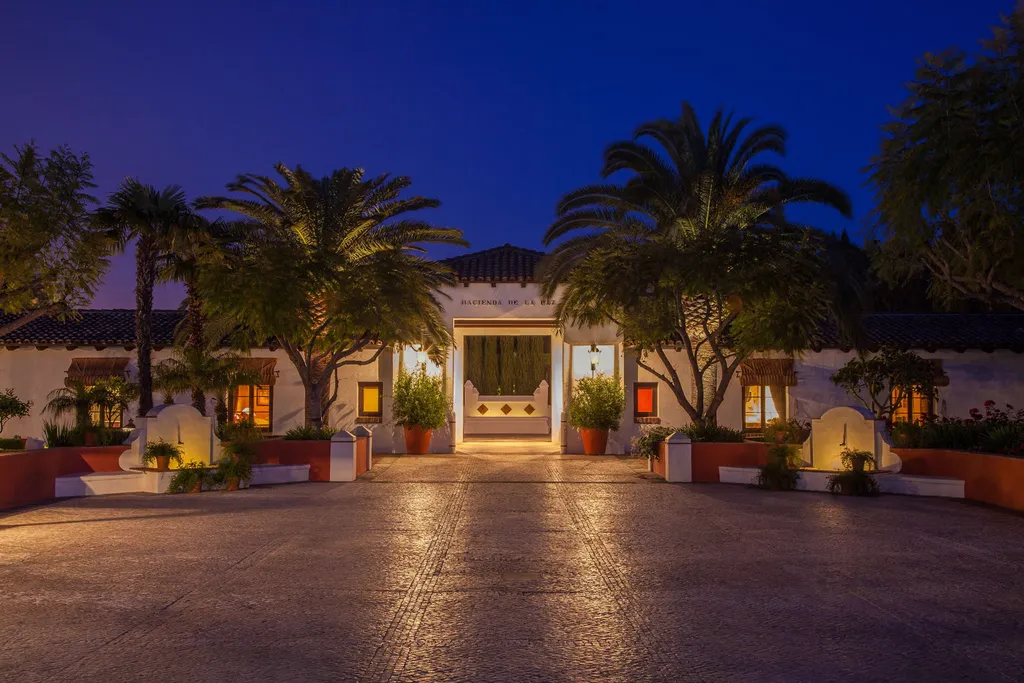
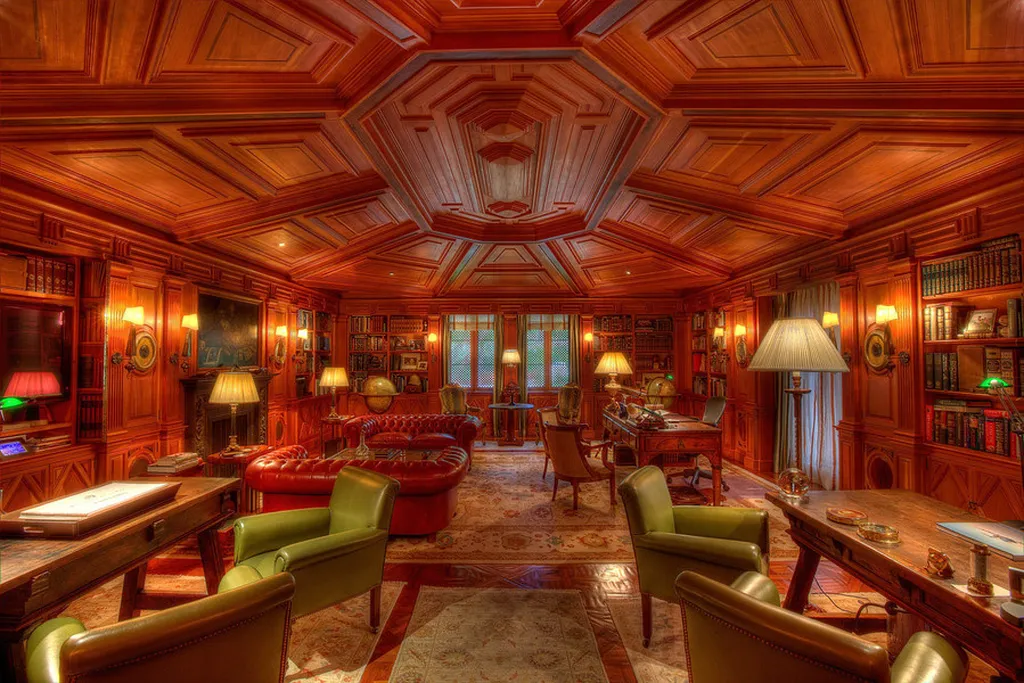
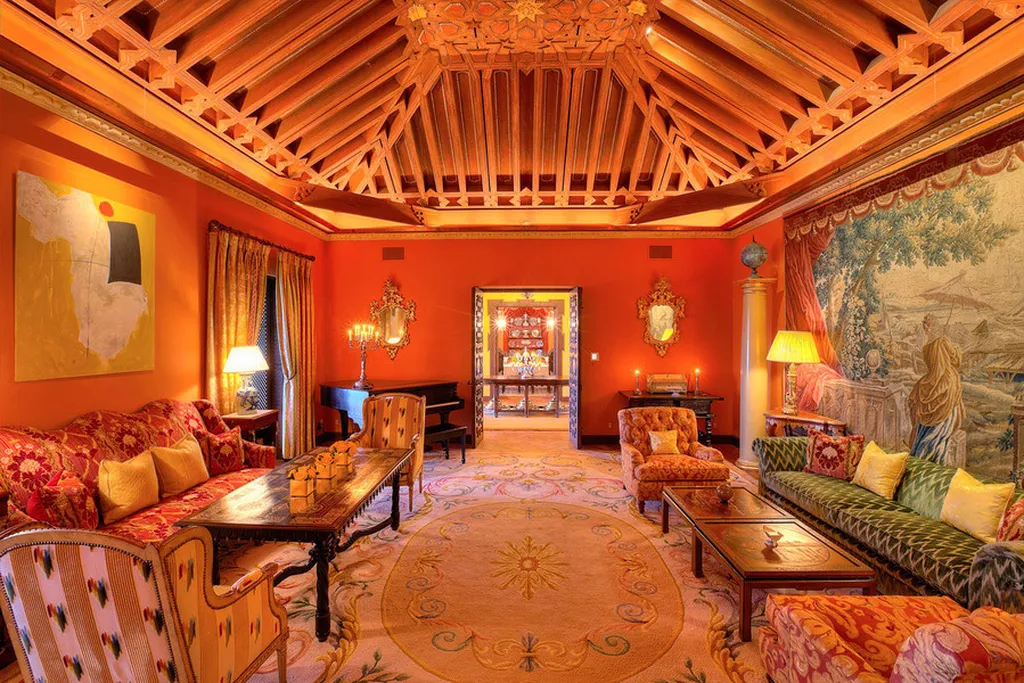
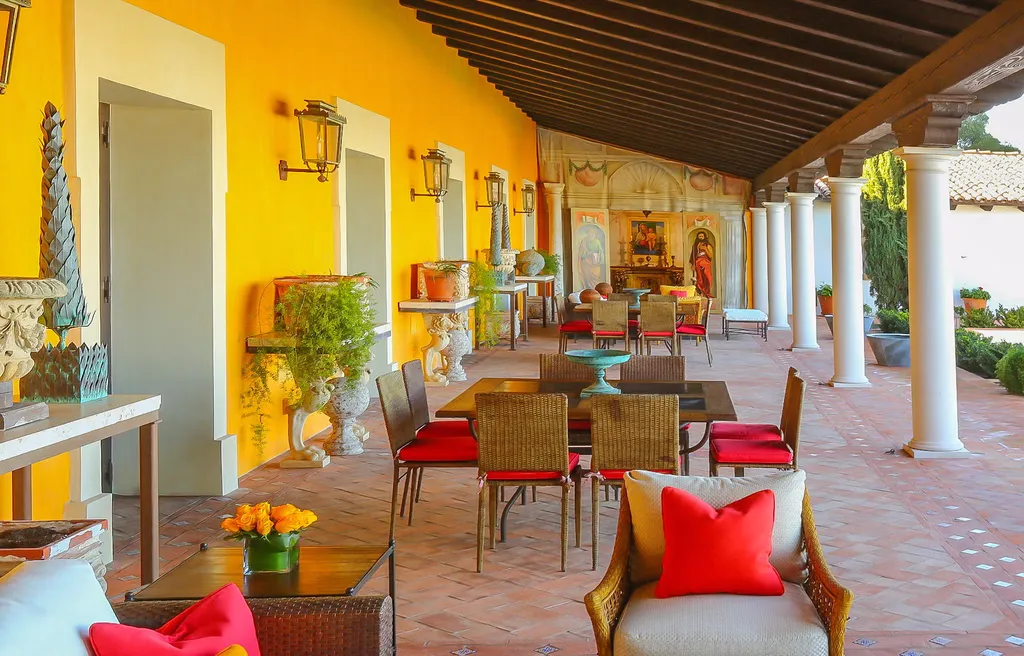
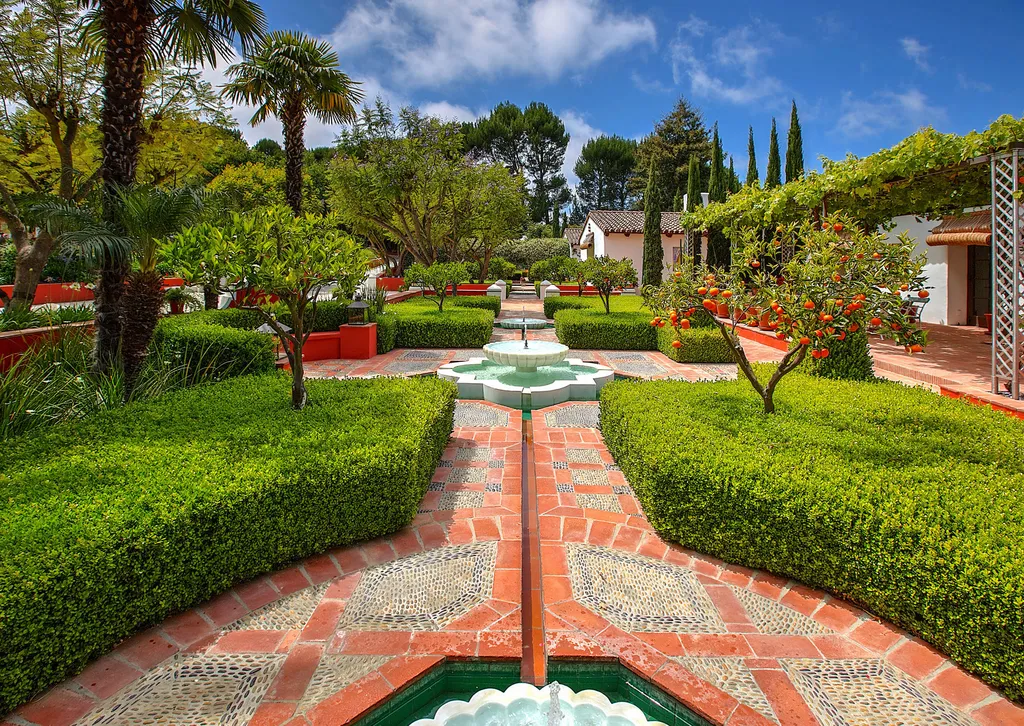
Hacienda de la Paz is often described as a private world rather than a home. Designed by architect Rafael Martos, the estate took approximately 17 years to complete, incorporating thousands of handcrafted elements and imported materials.
The architecture draws from Spanish and European influences, but the execution is unusually meticulous even by luxury standards. Every detail, from carved stone to custom ironwork, reflects a level of patience that is rarely compatible with modern development timelines.
At over 51,000 square feet, the estate ranks among the largest homes in California, yet its design is not purely about scale. It is about control.
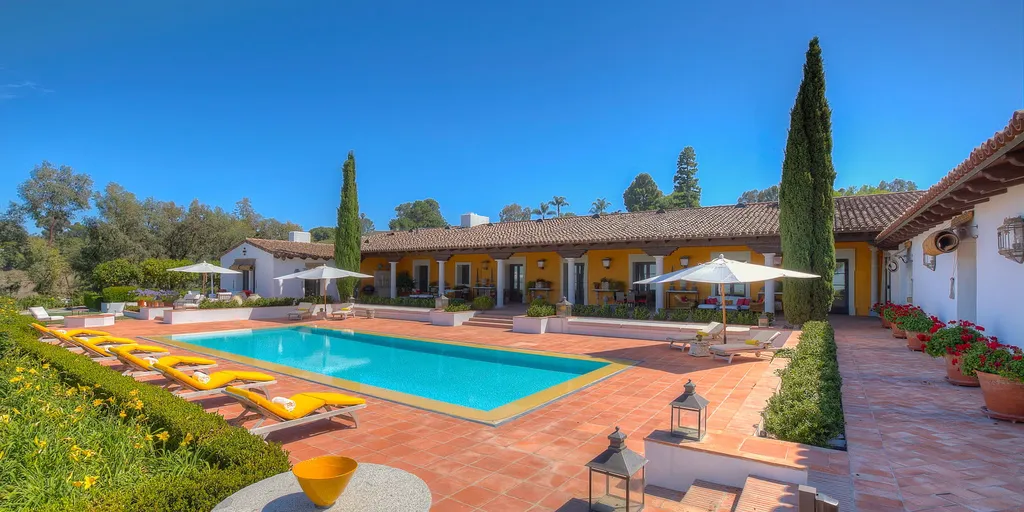
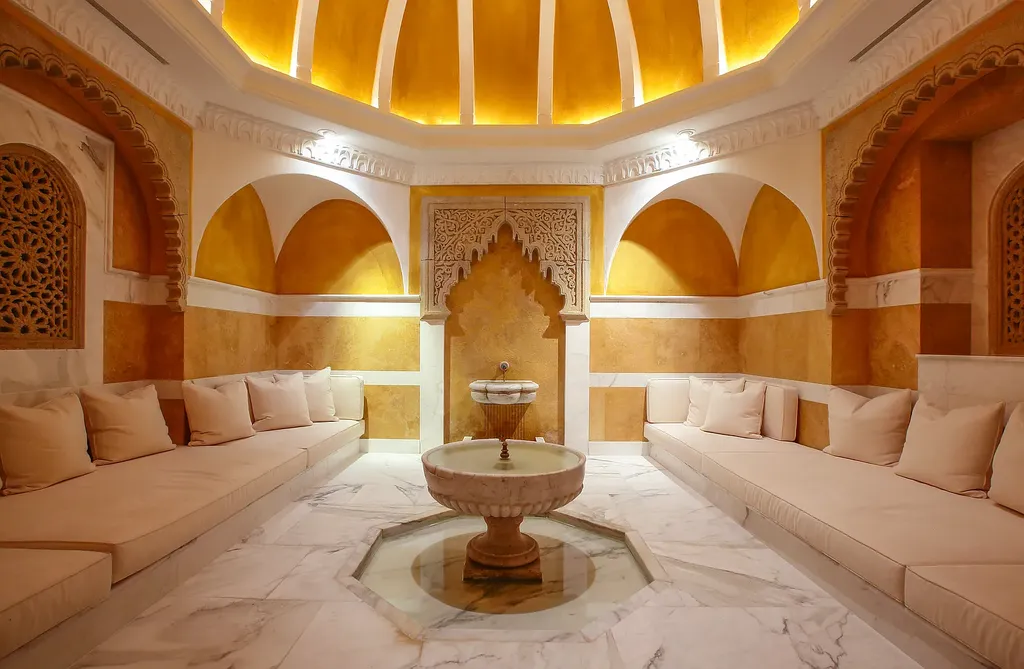
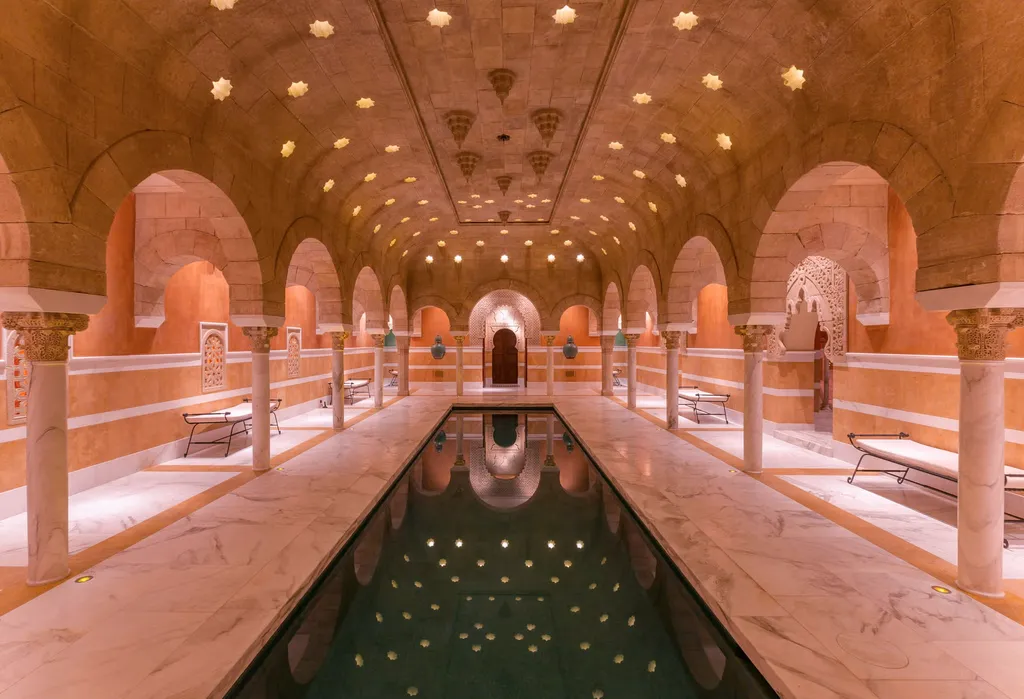
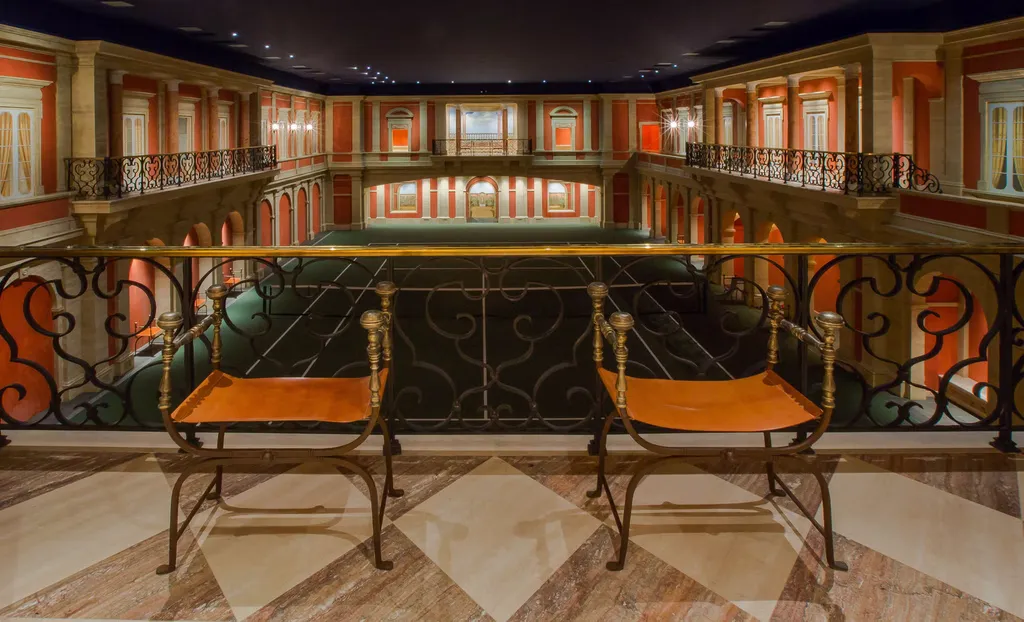
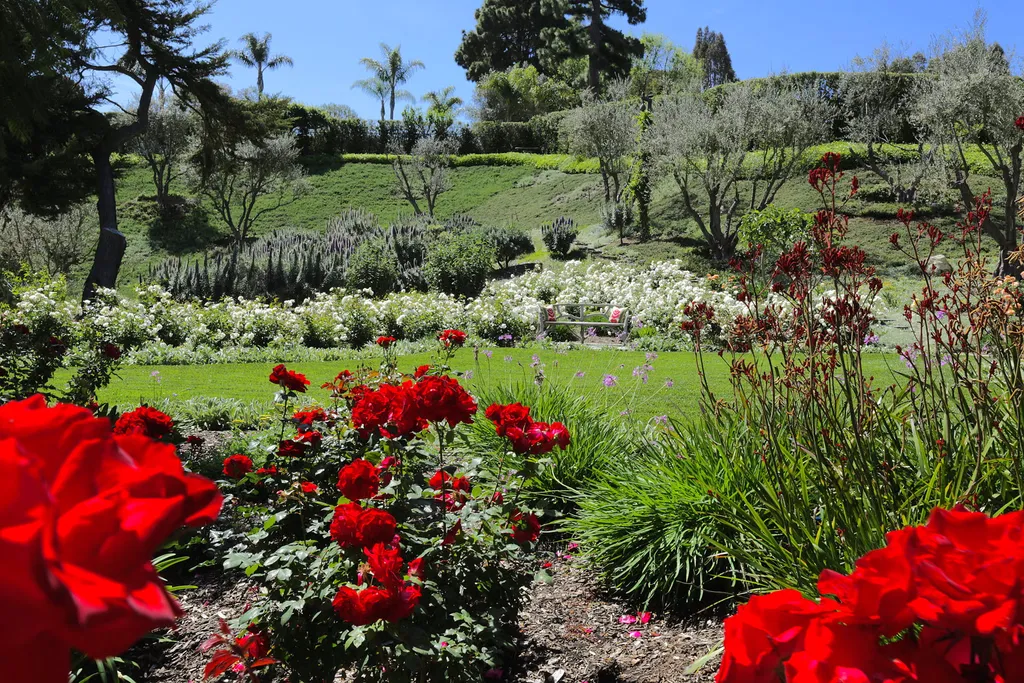
The property includes a 15,000 square foot grand ballroom capable of transforming into entirely different environments, whether for entertainment, exhibitions, or private events. A 10,000 square foot hammam spa, indoor and outdoor swimming pools, and dual tennis courts extend the experience beyond residential living into something closer to a private resort.
There is also direct access to equestrian facilities and miles of riding trails, tying the estate into the broader lifestyle of Rolling Hills.
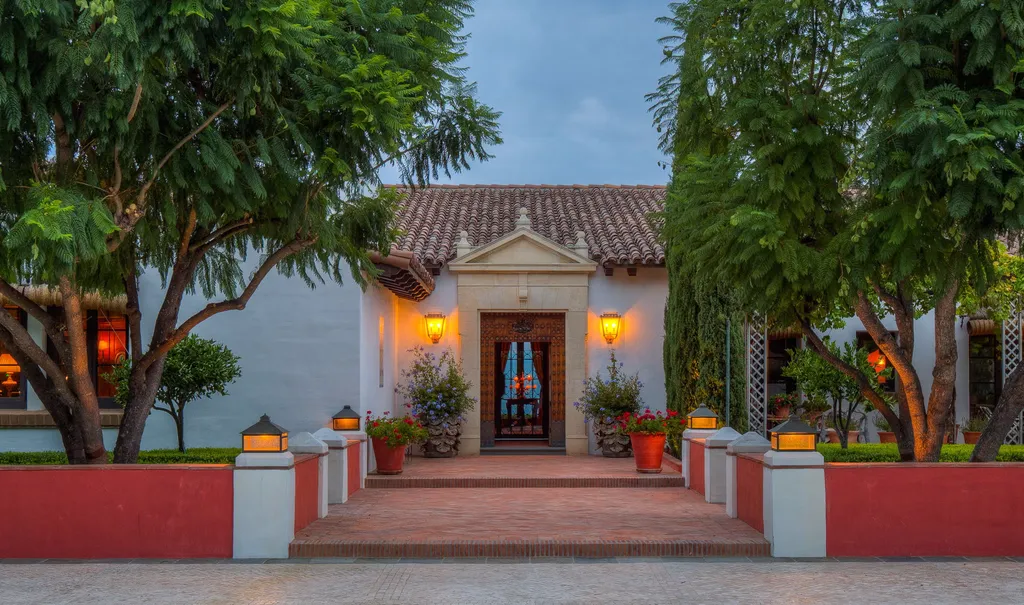
But the most important design decision is less visible. Hacienda de la Paz was built inward, not outward. It prioritizes privacy and autonomy over visibility. In a market where many estates are designed to impress, this one was designed to withdraw.
Ownership, Pricing, and Market History
When Hacienda de la Paz entered the market in 2013 with an asking price of 53 million dollars, it immediately positioned itself as one of the most ambitious residential listings in the United States.
Yet the market response was muted. The property was relisted multiple times over several years, with price reductions that reflected a growing disconnect between construction cost and buyer demand. By 2017, the asking price had fallen to 40 million dollars.
In 2018, the estate ultimately sold for approximately 20 million dollars.
That outcome is not simply a discount. It is a reset.
The drop represents a roughly 60 percent decline from the original listing, despite a period during which global wealth and luxury real estate demand continued to expand.
The implication is difficult to ignore. At the highest tier of the market, buyers are not purchasing effort or cost. They are purchasing alignment.
Hacienda de la Paz was built as a legacy project, not a flexible asset. And when it entered a market that increasingly values adaptability, it faced a structural mismatch.
This is not unique. Similar patterns can be seen in properties such as The Manor Los Angeles and Villa Firenze, where scale and ambition did not translate directly into liquidity.
Why Hacienda de la Paz Struggled in the Market
To understand why the estate underperformed relative to its original expectations, it is necessary to look beyond pricing and into buyer psychology.
At this level, buyers are not purchasing square footage. They are purchasing optionality.
Properties that succeed in the ultra luxury segment tend to offer flexibility, whether through location, layout, or brand visibility. Hacienda de la Paz offers the opposite. It is highly specific, deeply personal, and difficult to adapt without compromising its original vision.
That specificity narrows the buyer pool dramatically.
In contrast, properties like The One demonstrate a different kind of risk, where scale is pushed to a speculative extreme. Hacienda de la Paz sits at the other end of that spectrum. It is not speculative. It is definitive.
And in real estate, definitive design often limits future interpretation.
Hacienda de la Paz is one of the most remarkable private estates ever constructed in California, not because of its size alone, but because of what it represents.
It is a property built without compromise, without urgency, and without regard for market cycles.
At the same time, its transaction history serves as a reminder that even at the highest level, value is ultimately defined by the intersection of vision and demand.
When those two forces align, extraordinary properties can achieve extraordinary outcomes.
When they do not, even the most ambitious estates must adapt to reality.
According to the listing agent Jade Mills:
“Hacienda de la Paz, a millennium of art, architecture & engineering under one roof. Positioned on 7.4 acres, the Spanish estate designed by legendary architect Rafael Martos took 17 years to build and is the 36th largest residence built in the U.S. Perched 1100 ft. above LA on the Palos Verdes Peninsula in the guard-gated city of Rolling Hills; one of the safest & wealthiest cities in America. 180-degree panoramic views encompass the Pacific Ocean, beaches, downtown & the San Gabriel Mountains. Resort amenities include a 10,000-sq. ft. hamam spa, 15,000 sq. ft. grand ballroom (can accommodate a basketball court, indoor horse arena or car showroom), 2 tennis courts; indoor & outdoor, 2 swimming pools; indoor & outdoor, direct access to horse stables, arenas & 57 miles of equestrian trails, guesthouse, bocce court, gym, yoga room, wine cellar, catering kitchens, geothermal heating/cooling, heated floors, elevators, 6 car garage and motor court.“