Residence Wonder by Nico van der Meulen Architects, A Sculpted Contemporary Oasis in Mooikloof Estate
Architecture Design of Residence Wonder
Description About The Project
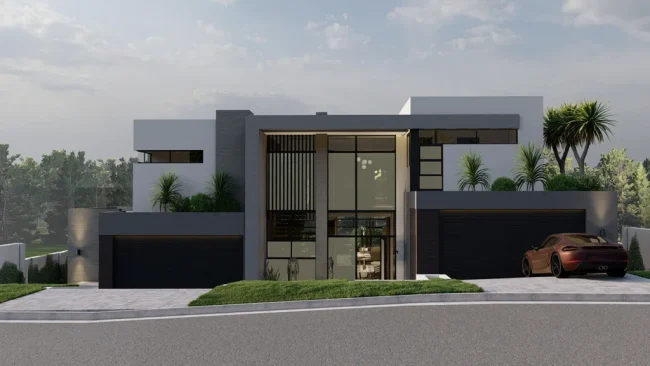
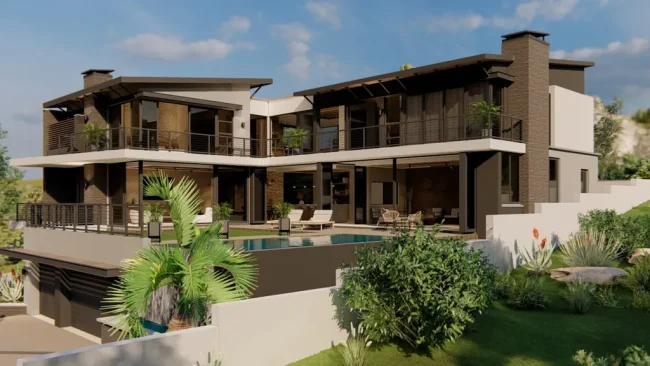
Residence Wonder by Nico van der Meulen Architects is a luxury contemporary home in Mooikloof Estate, Pretoria, defined by hanging gardens, natural stone, and a three-level design embedded into the landscape.
The Project “Residence Wonder” Information:
- Project Name: Residence Wonder
- Location: South Africa
- Designed by: Nico van der Meulen Architects
An Elevated Vision of Contemporary Luxury Living
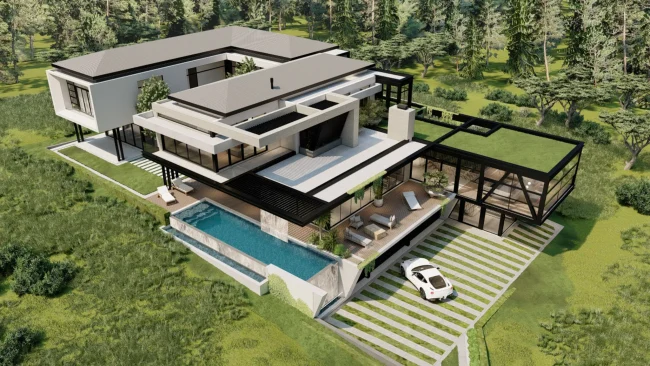
Situated on the slopes of the prestigious Mooikloof Estate in Pretoria, Residence Wonder is a high-end private home designed by Nico van der Meulen Architects as a secluded oasis for refined contemporary living. Rather than asserting itself over the landscape, the residence is carefully embedded into the site, allowing architecture, terrain, and vegetation to operate as a single, cohesive system.
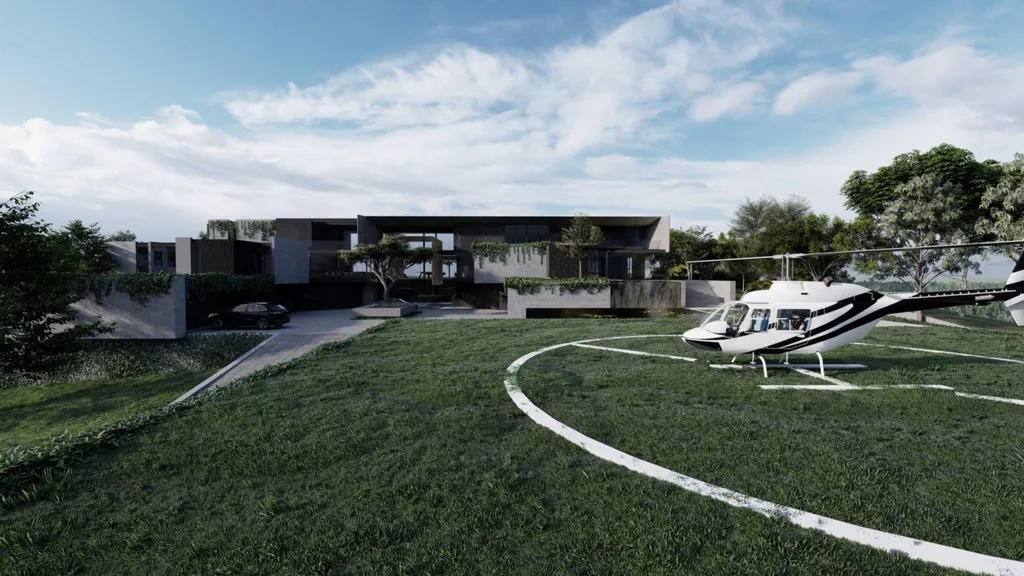
“The intention was never to create a house that sits on the land,” the architects explain in a statement shared with Luxury Houses Magazine. “We wanted the building to feel as though it was carved from the slope, emerging naturally from its environment.”

SEE MORE: Tmzn House by Arkham Projects, A Dialogue Between Sun, Light, and Architecture
Architecture Shaped by Topography and Approach
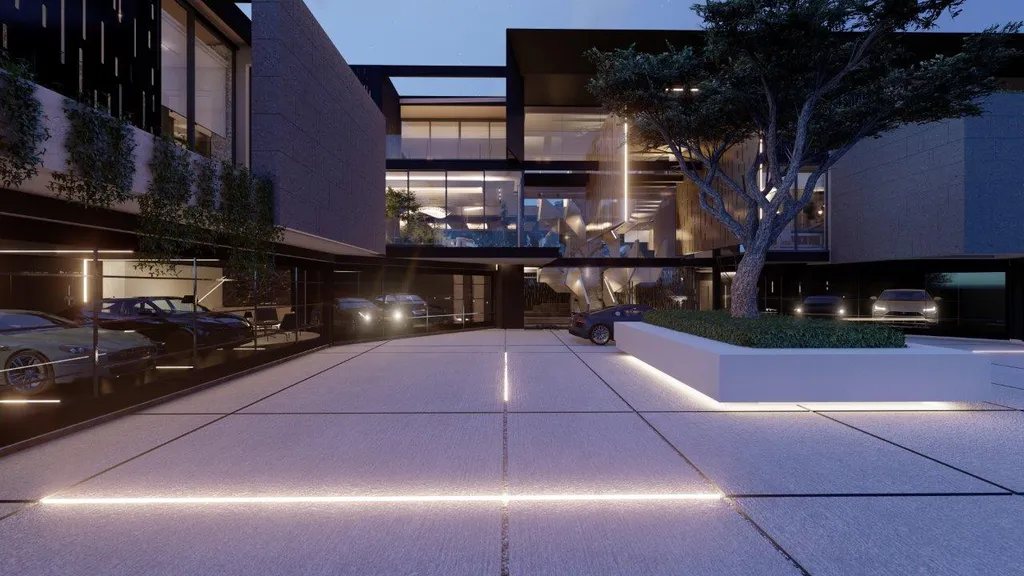
The home is organized across three primary levels, with the approach deliberately positioned at basement level and cut directly into the terrain. This unconventional entry sequence allows the architecture to unfold gradually, revealing itself through movement rather than immediate spectacle. From the lower level, the residence rises upward, with each floor responding to both views and environmental conditions.

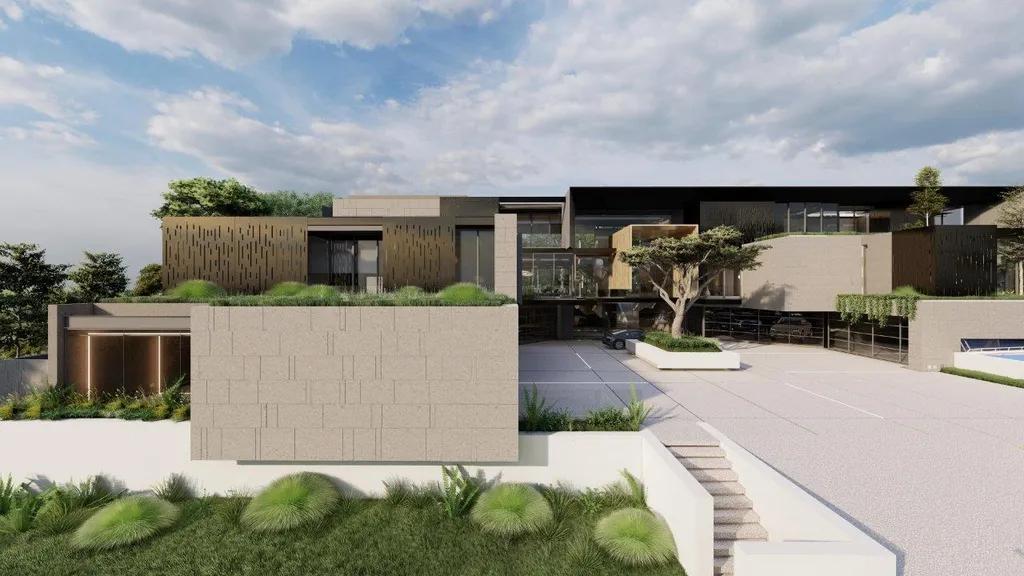
This sectional strategy not only enhances privacy but also allows the upper living spaces to remain visually light, despite the home’s substantial scale. Above-grade volumes appear to float, while the lower levels anchor the building firmly into the hillside.
SEE MORE: Tmzn House by Arkham Projects, A Dialogue Between Sun, Light, and Architecture
Hanging Gardens as a Defining Architectural Element
One of the most distinctive features of Residence Wonder is the extensive use of hanging gardens, which play a central role in both the aesthetic and environmental performance of the home. Cascading greenery softens the strong horizontal lines of the architecture while blurring the boundary between built form and natural landscape.
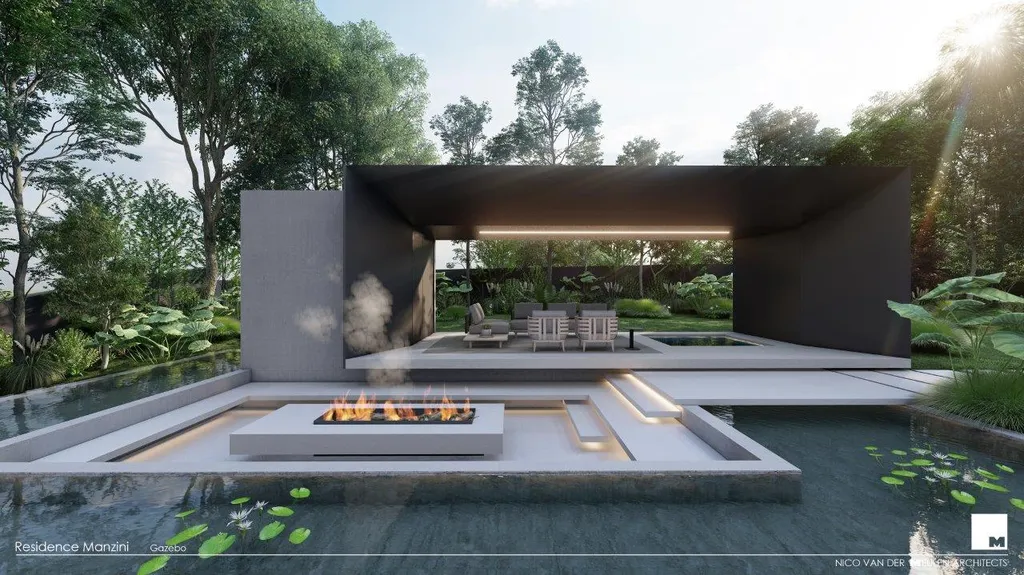
“These gardens were introduced to humanize the architecture,” notes Nico van der Meulen Architects. “They help the home breathe, visually and climatically, while reinforcing a strong connection to nature.”
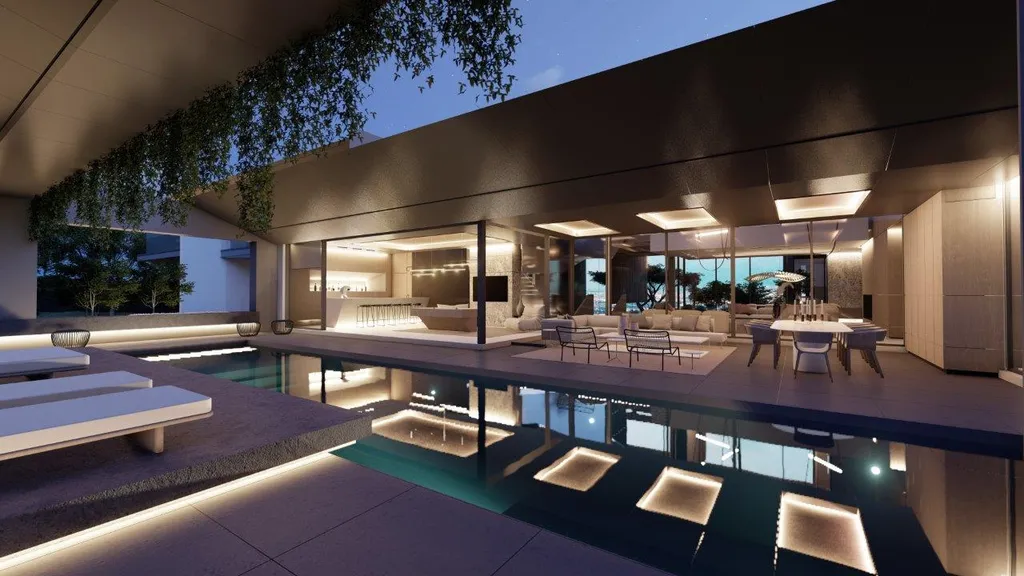
The vegetation also acts as a natural buffer, enhancing privacy and reducing solar gain, particularly on the more exposed façades.
SEE MORE: The Solaris Sanctuary by Padideh Kohan Boom, A Masterpiece of Eclectic Contemporary Synthesis
Material Palette Rooted in Honesty and Texture
The architectural language of Residence Wonder is expressed through a restrained yet tactile material palette. Natural stone, off-shutter concrete, and precision-engineered perforated screens are carefully layered throughout the design, creating depth, rhythm, and contrast.
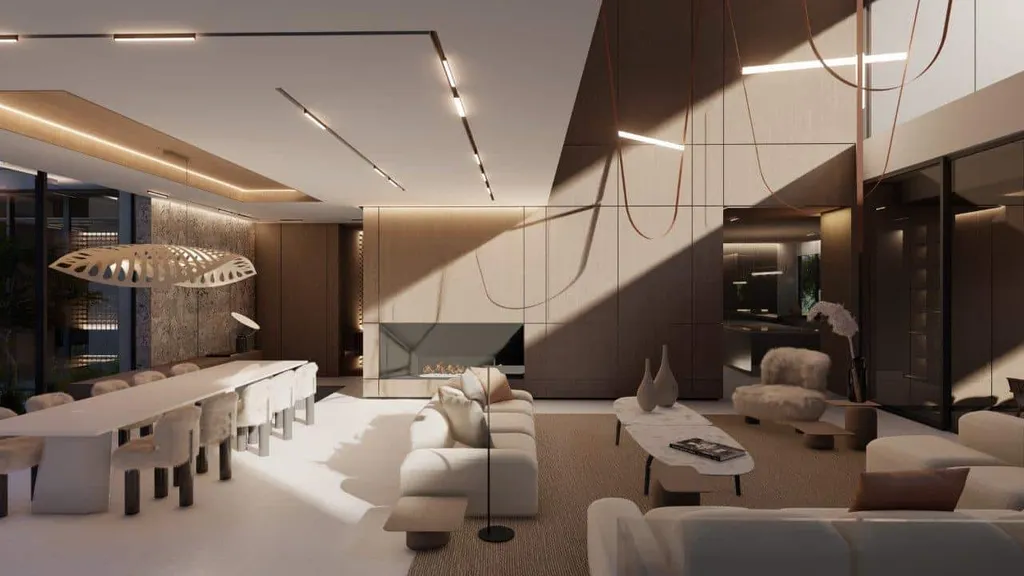

Concrete provides structural clarity and permanence, while stone introduces warmth and a sense of timelessness. The perforated screens, meanwhile, offer both visual interest and functional shading, filtering light into interior spaces and creating ever-changing patterns throughout the day.
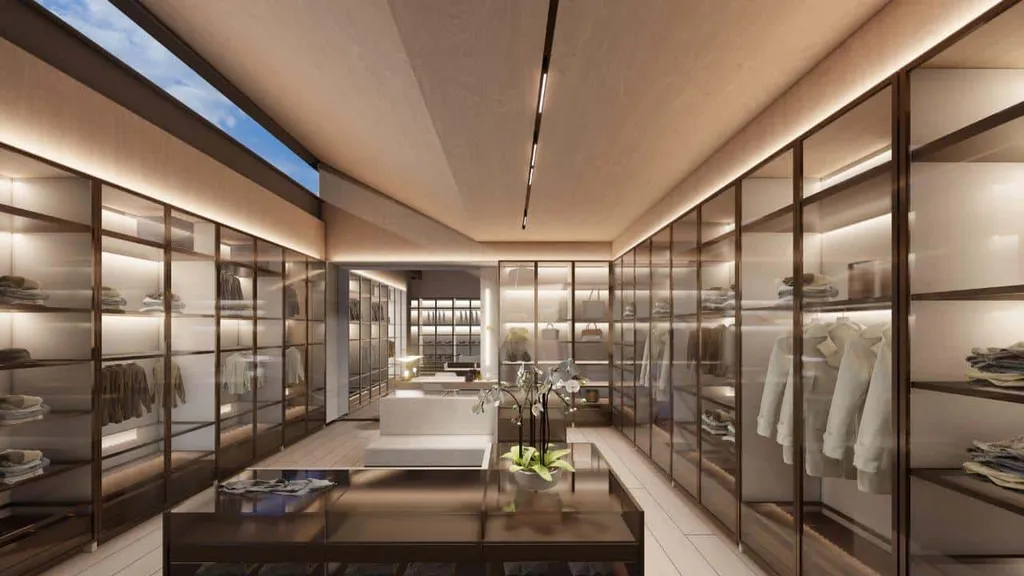
“Material honesty was fundamental to the design,” the architects explain. “Each surface was selected to age gracefully and to complement the surrounding landscape rather than compete with it.”
SEE MORE: Villa FL by DFG Architetti associati, A Dialogue Between Architecture and Nature
Interior Spaces Defined by Light and Spatial Flow
Inside, the residence is defined by fluid spatial planning and a strong emphasis on natural light. Large openings and carefully positioned voids allow daylight to penetrate deep into the home, ensuring that even lower levels maintain a bright, open atmosphere.
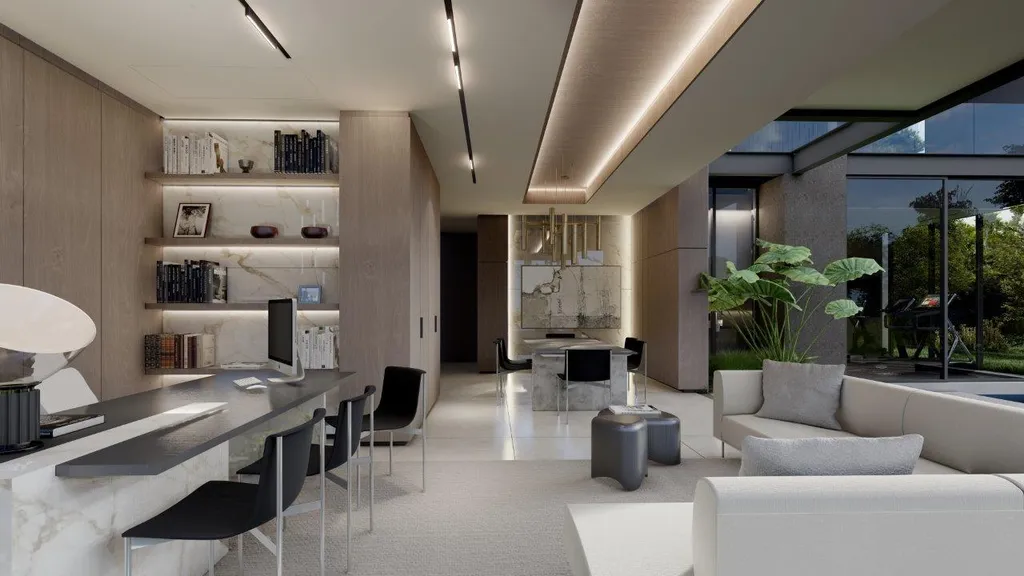
The internal layout prioritizes visual continuity between spaces while preserving moments of intimacy. Living areas open seamlessly to outdoor terraces and gardens, reinforcing the idea of indoor–outdoor living that is central to contemporary South African residential architecture.
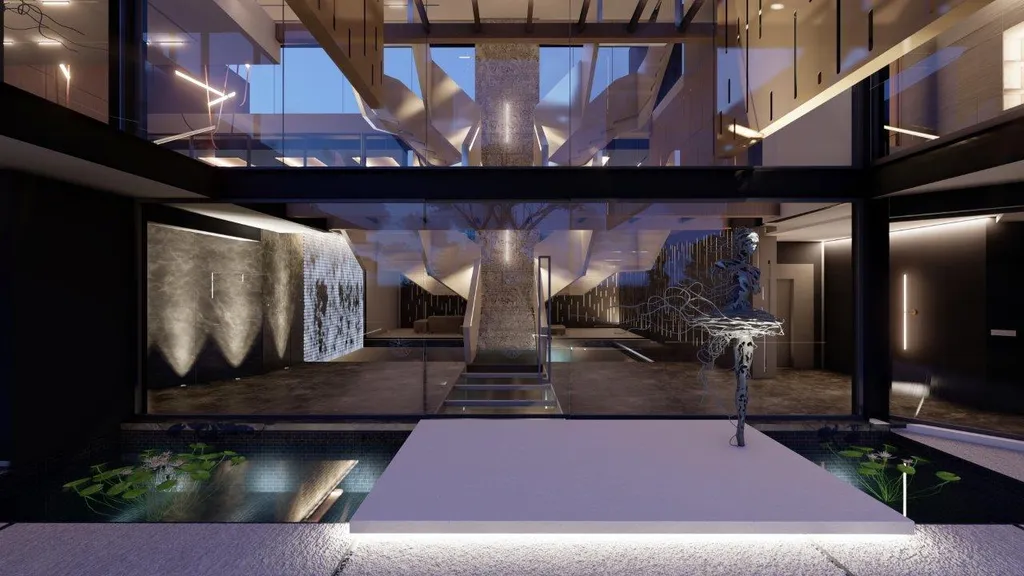
The result is an environment that feels both luxurious and grounded — a home designed not only for visual impact, but for long-term comfort and livability.
SEE MORE: Capuchinas Villa by Orther Architects, A Dialogue Between Geometry and Nature
A Contemporary Residence Integrated with Its Environment
Residence Wonder stands as a refined example of how contemporary luxury architecture can coexist harmoniously with its natural context. Through careful site integration, layered materials, and the strategic use of landscape as an architectural device, Nico van der Meulen Architects have created a residence that feels simultaneously bold and serene.
As shared with Luxury Houses Magazine, the project reflects a broader philosophy: “True luxury lies in restraint, balance, and the ability of architecture to enhance daily life without overwhelming its surroundings.”
Photo credit: | Source: Nico van der Meulen Architects
For more information about this project; please contact the Architecture firm :
– Add: 43 Grove St, Ferndale, Randburg, 2194, South Africa
– Tel: +27 11 789 5242
– Email: marketing@nicovdmeulen.com
More Projects in South Africa here:
- The Forest House by Bloc Architects and Kevin Lloyd Architects
- Pool Penthouse, Glamorous urban home on slope by Jenny Mills Architects
- Pambathi Lane House in KwaZulu Natal by Metropole Architects
- House M, a Stunning Truly African Home by Elphick Proome Architects
- Albizia House, Cliff View Modern Mansion by Metropole Architects