YP Vineyards House by Nico van der Meulen Architects, A Contemporary Transformation in Stellenbosch
Architecture Design of YP Vineyards House
Description About The Project
YP Vineyards House by Nico van der Meulen Architects reimagines a traditional farmhouse in Stellenbosch as a minimalist contemporary residence wrapped in aluminium and travertine stone, opening to vineyard valley views.
The Project “YP Vineyards House” Information:
- Project Name: YP Vineyards House
- Location: Devon Valley, Stellenbosch, South Africa
- Designed by: Nico van der Meulen Architects
Reimagining a Traditional Farmhouse in Devon Valley
Set within the rolling landscape of Devon Valley in Stellenbosch, YP Vineyards House represents a sensitive yet bold architectural transformation by Nico van der Meulen Architects. The project centers on converting an existing traditional farmhouse into a contemporary minimalist dwelling—one that respects its rural context while embracing a distinctly modern architectural language.
ADVERTISEMENT
“The intention was never to erase the past,” the architects explain to Luxury Houses Magazine. “Instead, we sought to reinterpret the farmhouse typology through a contemporary lens that responds to climate, views, and material honesty.”
ADVERTISEMENT
Currently under construction, the project exemplifies the studio’s ability to balance architectural restraint with expressive design interventions.
SEE MORE: OVD525 House, Modern Masterpiece by Three14 Architects
Reimagining a Traditional Farmhouse in Devon Valley
Set within the rolling landscape of Devon Valley in Stellenbosch, YP Vineyards House represents a sensitive yet bold architectural transformation by Nico van der Meulen Architects. The project centers on converting an existing traditional farmhouse into a contemporary minimalist dwelling—one that respects its rural context while embracing a distinctly modern architectural language.
“The intention was never to erase the past,” the architects explain to Luxury Houses Magazine. “Instead, we sought to reinterpret the farmhouse typology through a contemporary lens that responds to climate, views, and material honesty.”
ADVERTISEMENT
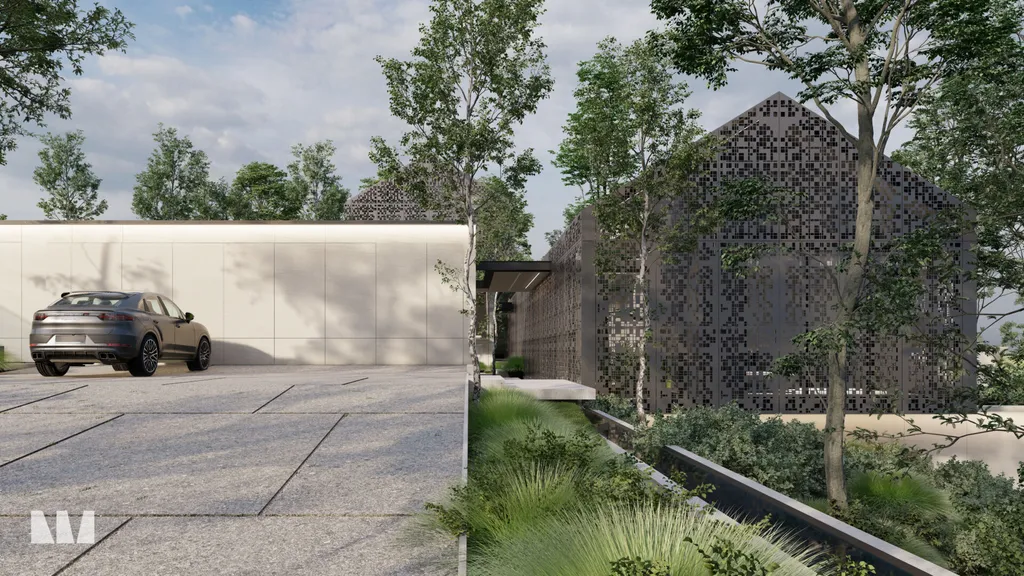
Currently under construction, the project exemplifies the studio’s ability to balance architectural restraint with expressive design interventions.
SEE MORE: River Bend House in South Africa by Craft of Architecture
A Contemporary Aluminium Shell as Architectural Strategy
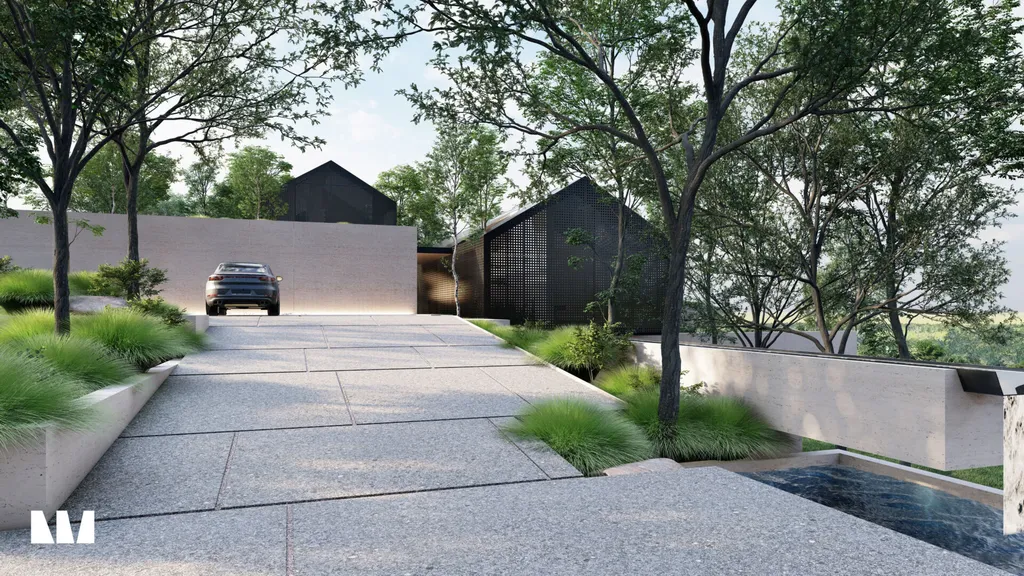
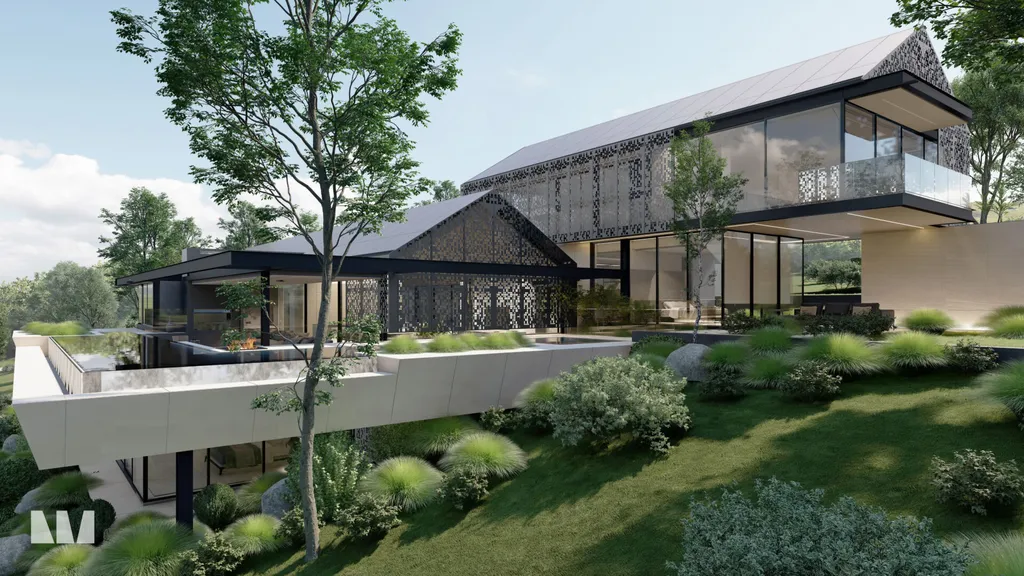
One of the most striking elements of YP Vineyards House is the introduction of a continuous aluminium shell that envelops the existing structure. This new skin transforms the building’s visual identity, replacing traditional forms with a refined minimalist expression.
ADVERTISEMENT
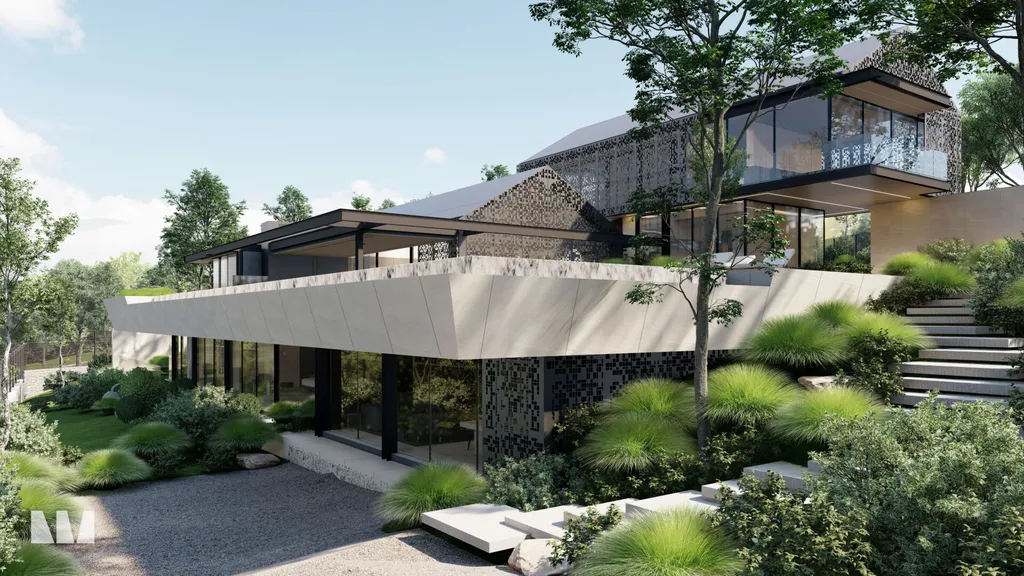
Rather than acting as a purely aesthetic gesture, the aluminium façade is punctuated with carefully positioned openings that allow natural light to penetrate the interior where required. This approach ensures that the building envelope performs as an environmental moderator while reinforcing the home’s contemporary character.
“The aluminium shell allowed us to unify old and new into a single architectural language,” notes Nico van der Meulen Architects. “It provides cohesion, light control, and a sense of modern precision.”
SEE MORE: Umhlanga One for Coastal Living by Kevin Lloyd Architects
Travertine Stone as a Unifying Material Language
Complementing the aluminium exterior, travertine stone is used extensively as the primary finishing material throughout the house. Applied consistently to walls and floors, both internally and externally, the stone creates a seamless material dialogue between inside and outside.
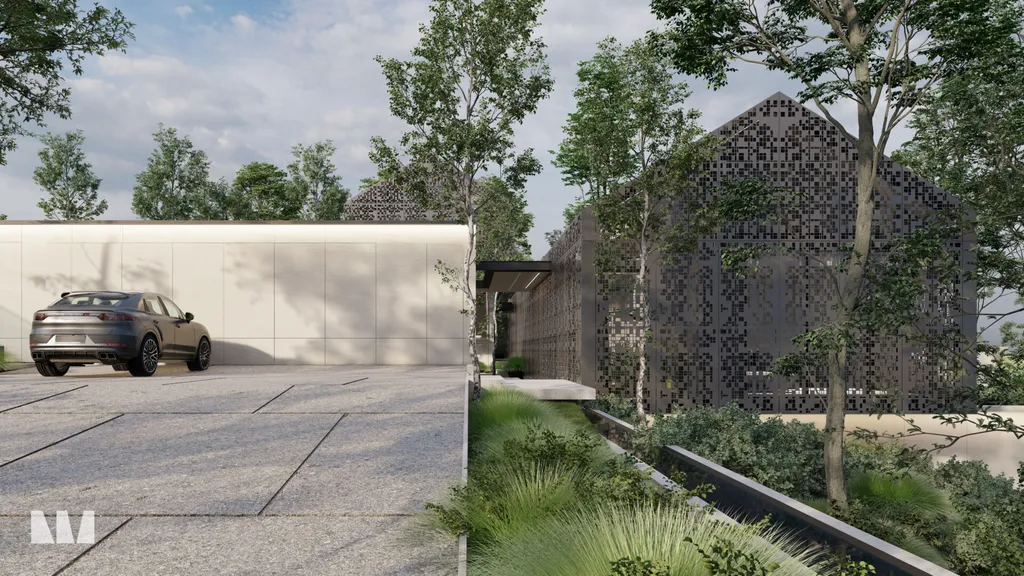
The warm, tactile quality of travertine grounds the minimalist architecture, preventing it from feeling overly austere. Its natural texture also resonates with the surrounding vineyard landscape, allowing the home to sit comfortably within its agricultural setting.
“Travertine offered the perfect balance between refinement and authenticity,” the architects share. “It brings warmth to the minimalist design while reinforcing continuity across all spaces.”
SEE MORE: Wave Villa, Coastal Elegance & Organic Modernity by ARRCC
Suspended Pool Terrace and Spatial Expansion
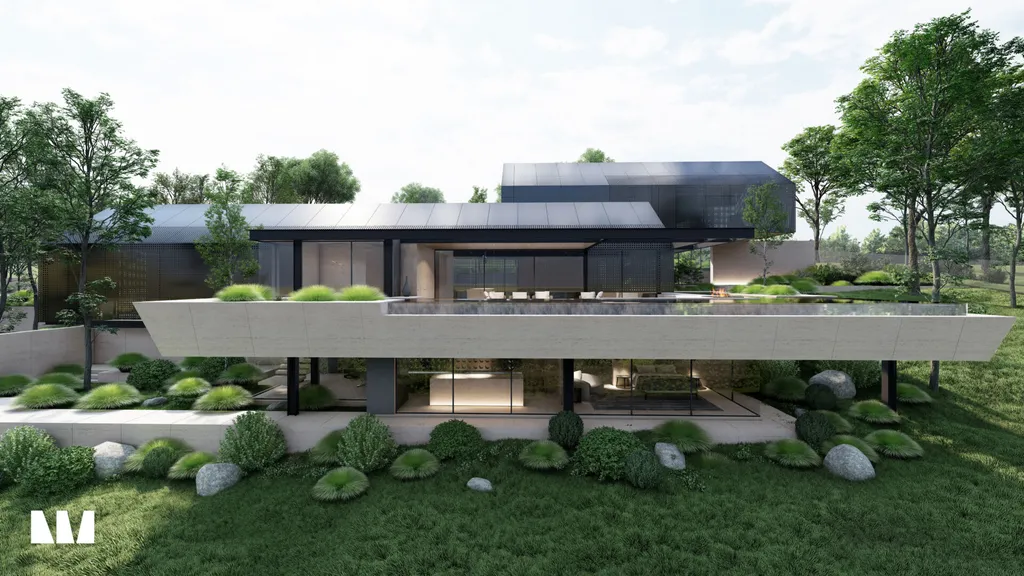
A key architectural intervention is the addition of a suspended swimming pool terrace, extending the existing patio toward the east. This new element enhances outdoor living while introducing a dynamic horizontal plane that visually lightens the structure.
ADVERTISEMENT
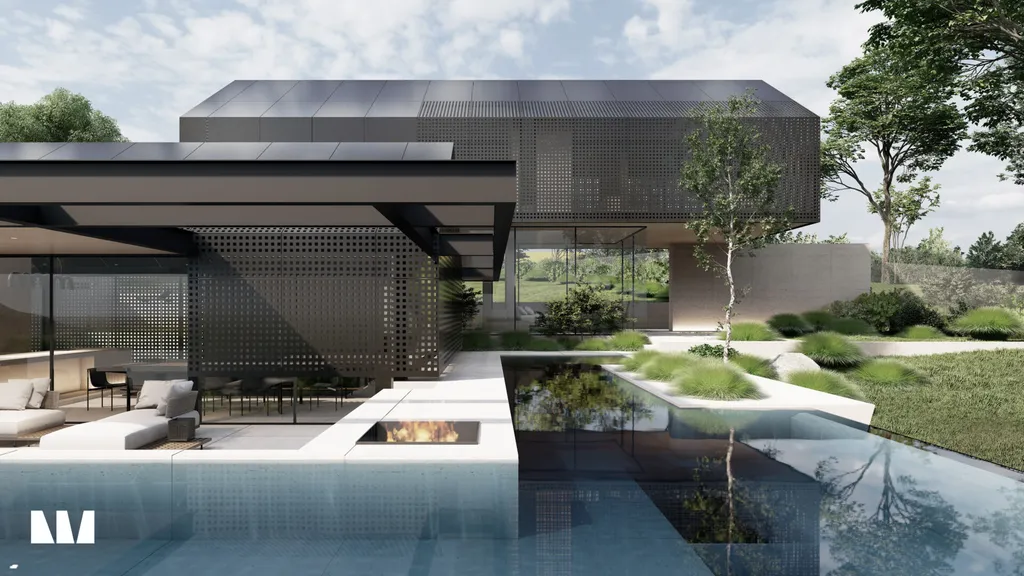
The pool terrace functions as both a leisure space and a viewing platform, framing expansive vistas across the valley. Its suspended nature emphasizes the contemporary transformation of the house, contrasting with the solidity of the original farmhouse structure.
According to the design team, “The pool terrace was conceived as an architectural extension of the landscape—hovering lightly while directing attention outward toward the vineyards.”
SEE MORE: The Pavilion House by Malan Vorster Architecture Interior
Orientation, Views, and Climate Responsiveness
YP Vineyards House is carefully oriented to maximize its relationship with the surrounding landscape and climate. The building opens predominantly to the south, capturing uninterrupted views across the Devon Valley while maintaining visual privacy from neighboring properties.
ADVERTISEMENT
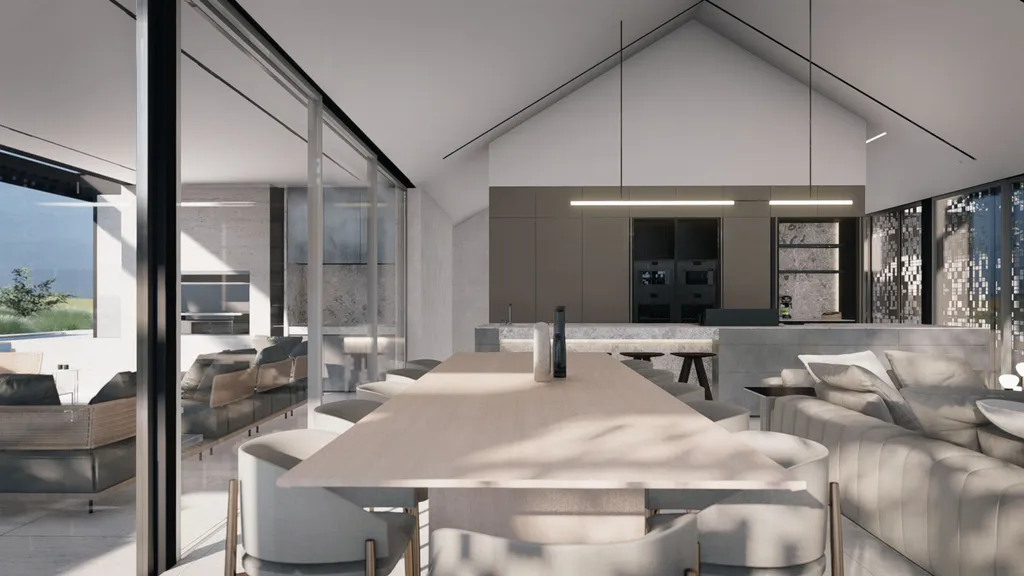
Generous glazed openings along the northern façade play a critical role in ensuring year-round thermal comfort. These large expanses of glass allow winter sun to warm the interior spaces while remaining shaded during the hotter summer months.
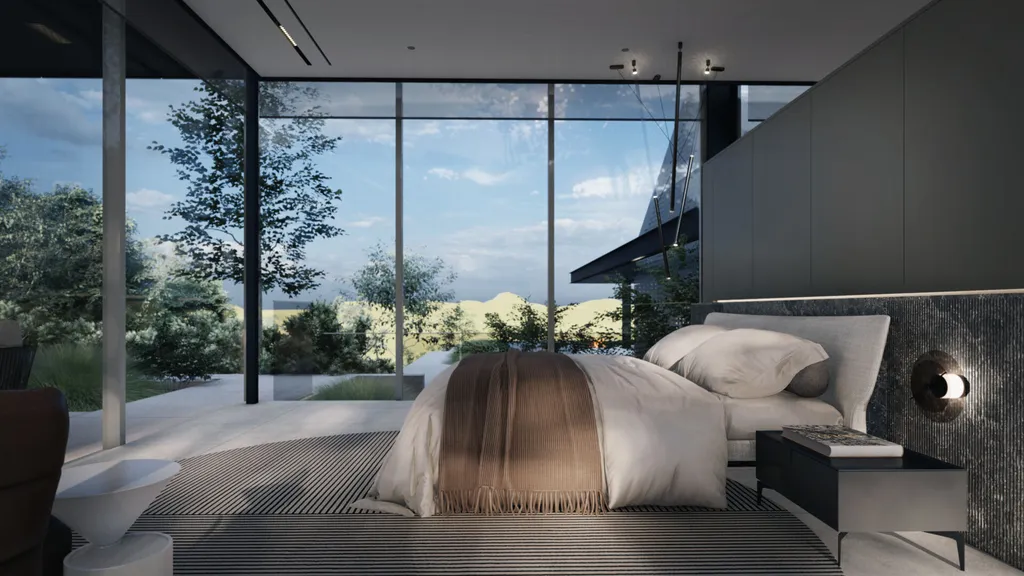
“Orientation was fundamental to the project,” explains Nico van der Meulen Architects. “Every opening was designed to optimize light, views, and thermal performance without compromising the minimalist aesthetic.”
SEE MORE: The Reserve 01 House for Natural Beauty by Studio BHD
Minimalism Rooted in Context and Function
Despite its contemporary appearance, YP Vineyards House remains deeply connected to its rural context. The project avoids overt gestures, instead relying on proportion, materiality, and environmental responsiveness to define its architectural identity.
ADVERTISEMENT
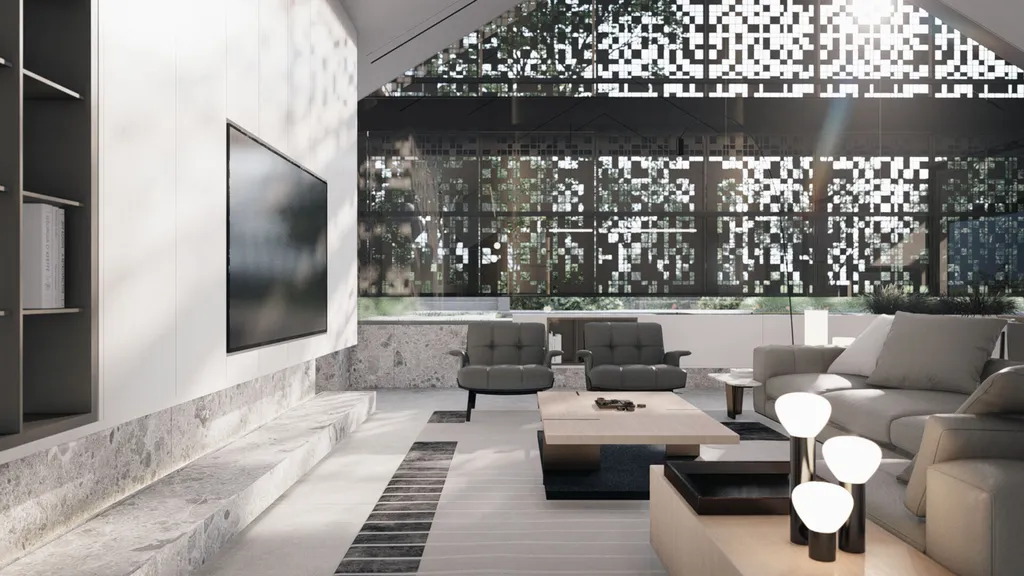
The transformation demonstrates how minimalism, when applied thoughtfully, can enhance both functionality and spatial experience. Interior spaces are calm and uncluttered, shaped by natural light and framed views rather than decorative excess.
As summarized by the architects in their contribution to Luxury Houses Magazine: “True luxury lies in clarity—spaces that feel effortless, connected to nature, and adaptable to daily living.”
SEE MORE: House Sealion for Coastal Living by Greg Wright Architects
A Modern Vineyard Residence in Evolution
YP Vineyards House stands as a compelling example of adaptive reuse and contemporary residential architecture. Through the introduction of an aluminium shell, extensive use of travertine stone, and carefully orchestrated spatial additions, Nico van der Meulen Architects have transformed a traditional farmhouse into a modern vineyard retreat.
ADVERTISEMENT
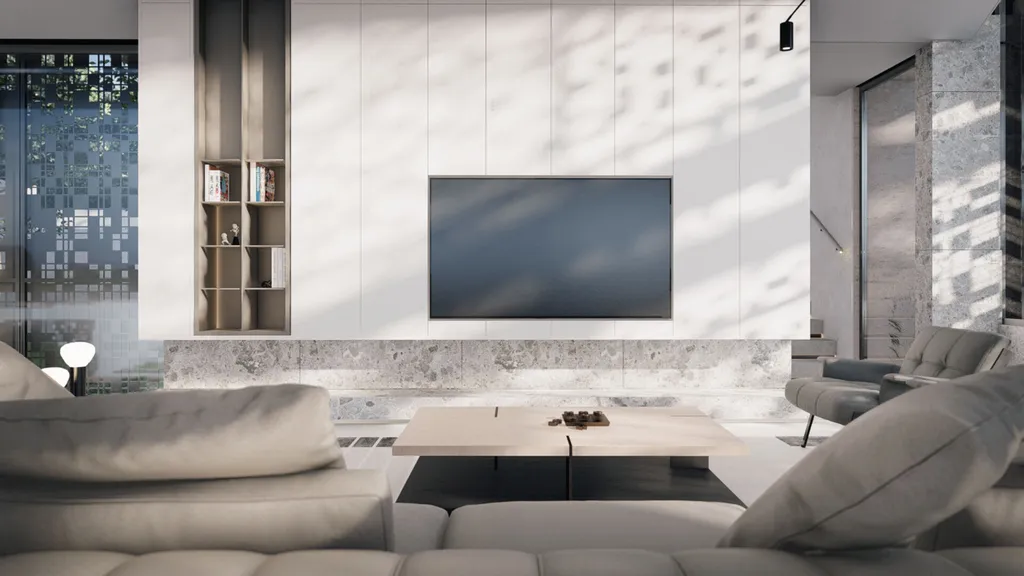
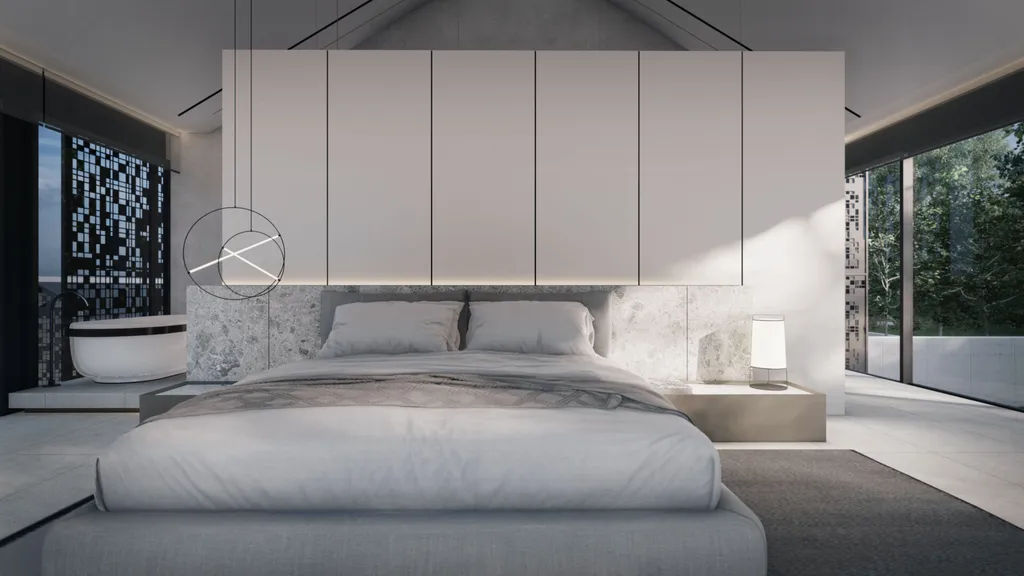
As construction progresses, the project promises to become a refined architectural landmark within the Stellenbosch landscape—one that seamlessly merges minimalist design with its agricultural heritage.
Photo credit: | Source: Nico van der Meulen Architects
For more information about this project; please contact the Architecture firm :
– Add: 43 Grove St, Ferndale, Randburg, 2194, South Africa
– Tel: +27 11 789 5242
– Email: marketing@nicovdmeulen.com
More Projects in South Africa here:
- South Villa, blend of global design & craftsmanship by ARRCC
- Medburn Villa’s, A Masterpiece by Jenny Mills Architects
- Ridge Lane House, modern retreat by Metropole Architects
- House TAT, a masterpiece by Nico van der Meulen Architects
- Beachcroft House, Coastal Elegance by Metropole Architects