Chartwell Estate: One of the Most Iconic Estates in Bel Air Los Angeles
Chartwell Estate in Bel Air is one of the most iconic homes in Los Angeles, spanning over six acres and setting a record sale at approximately 150 million dollars. Its pricing journey reflects how even landmark estates must align with real buyer demand.
ADVERTISEMENT
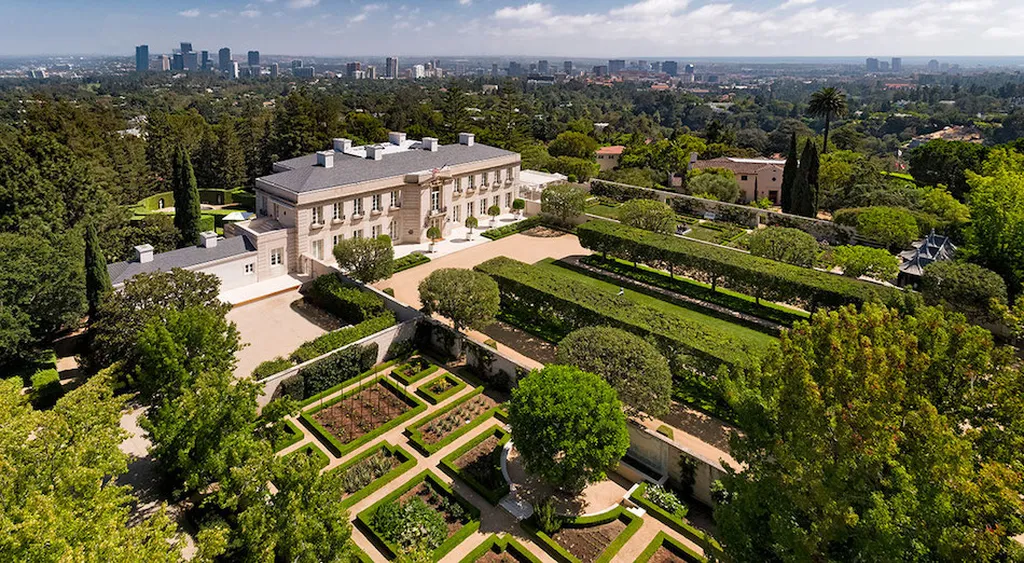
Chartwell Estate in Bel Air Los Angeles
Property Overview
Chartwell Estate in Bel Air stands among the most recognizable and historically significant private residences in Los Angeles. Originally completed in the 1930s, the property spans more than six acres and has long been associated with legacy ownership, architectural prestige, and cultural visibility.
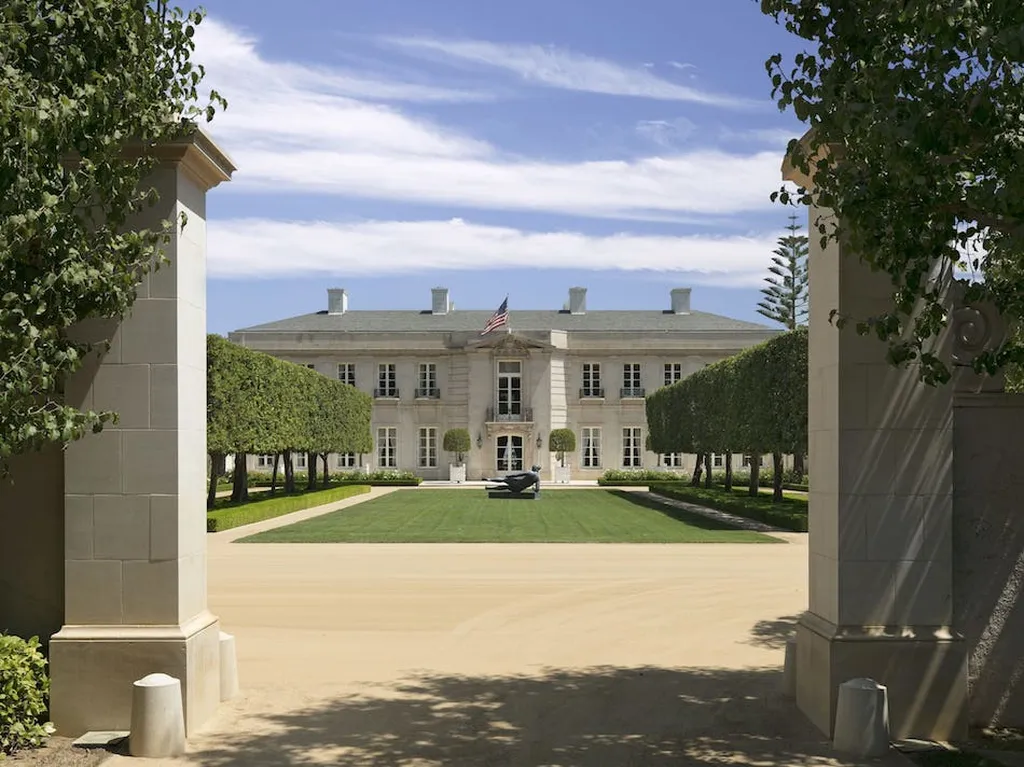
The estate gained global recognition through its appearance in the opening credits of the television series The Beverly Hillbillies, embedding its limestone façade into American pop culture. Yet beyond its cinematic identity, Chartwell represents a rare combination of scale, location, and generational ownership that few properties within the California luxury real estate market can replicate.
ADVERTISEMENT
Key Property Details
- Location: Bel Air, Los Angeles, California
- Bedrooms: 10
- Bathrooms: 12
- Living Area: approximately 21,500 square feet
- Lot Size: approximately 6.5 acres
- Year Built: 1933
- Architect: Sumner Spaulding
Scale, Design, and Living Experience
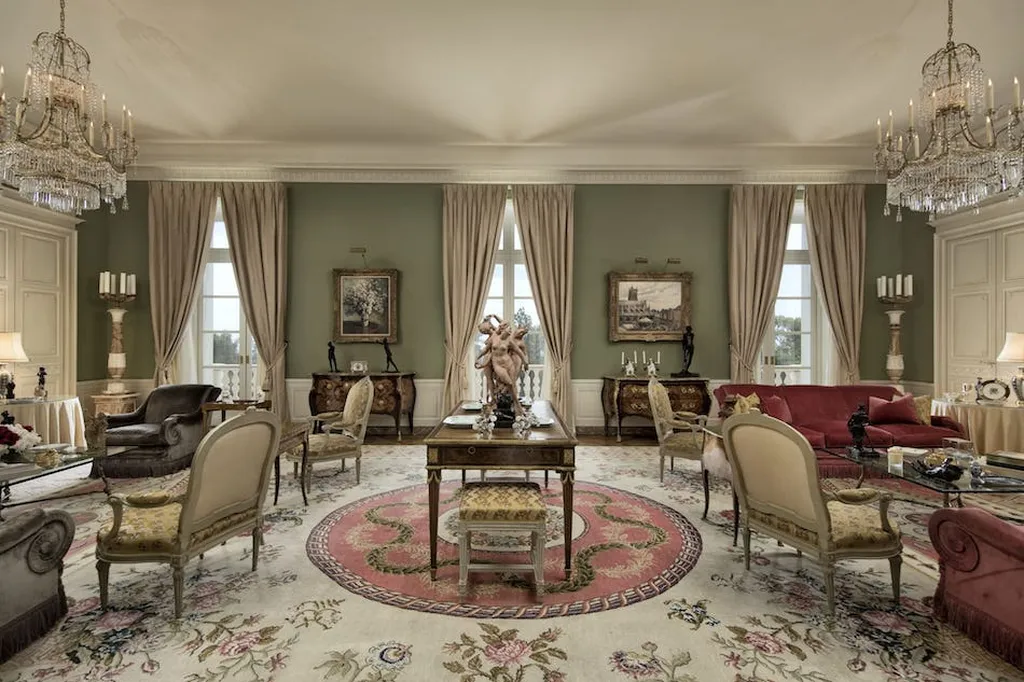
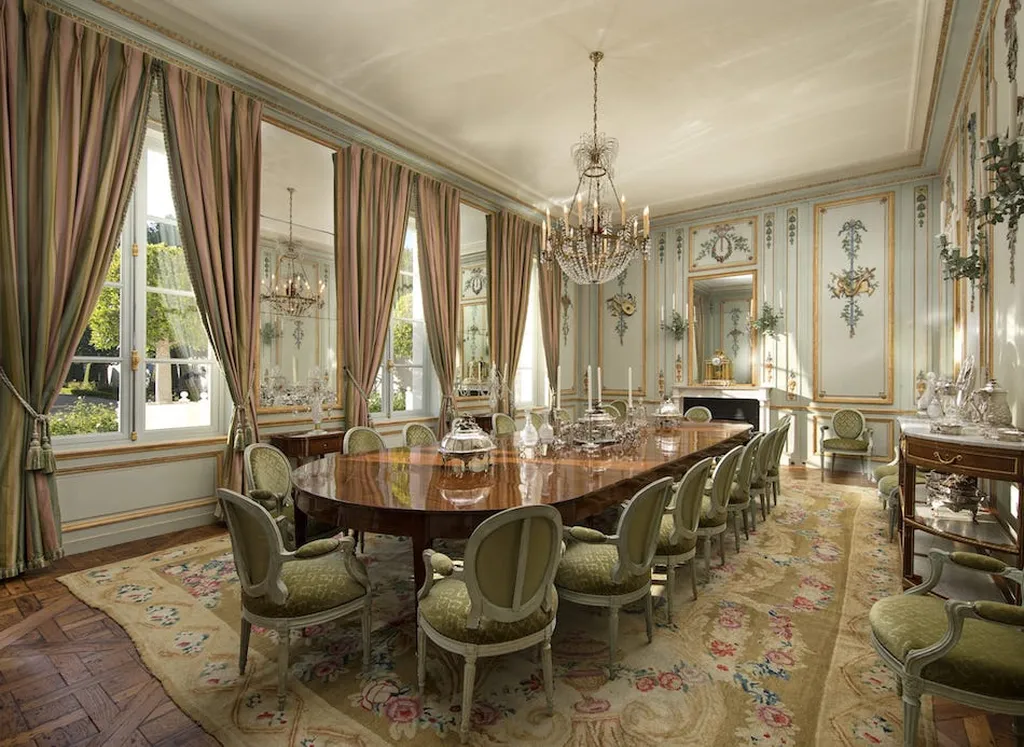
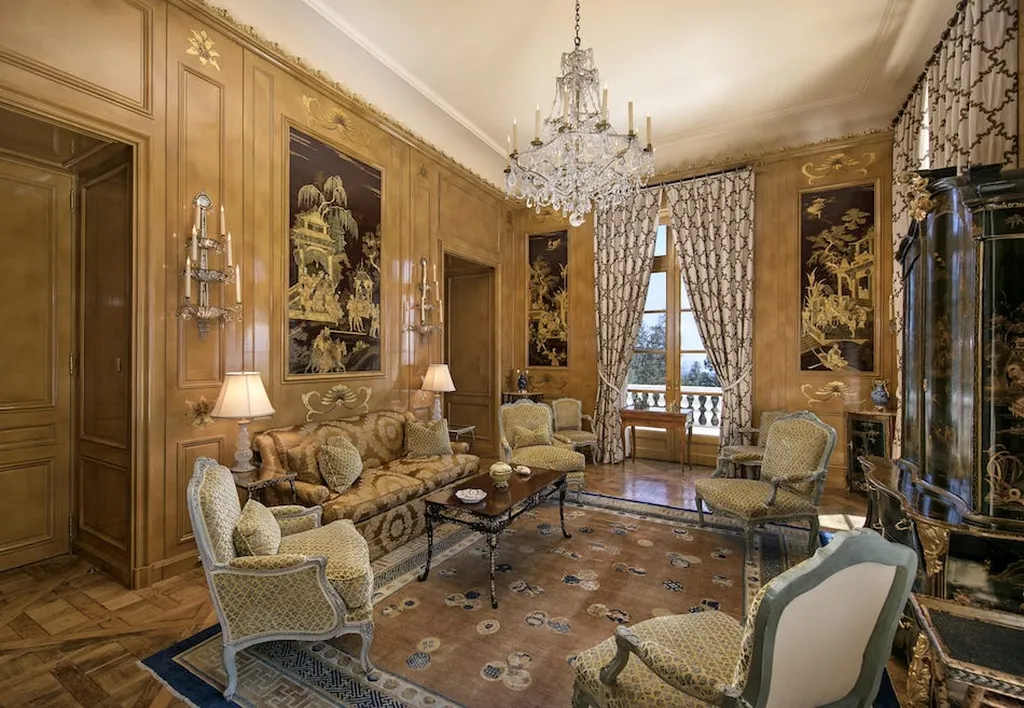
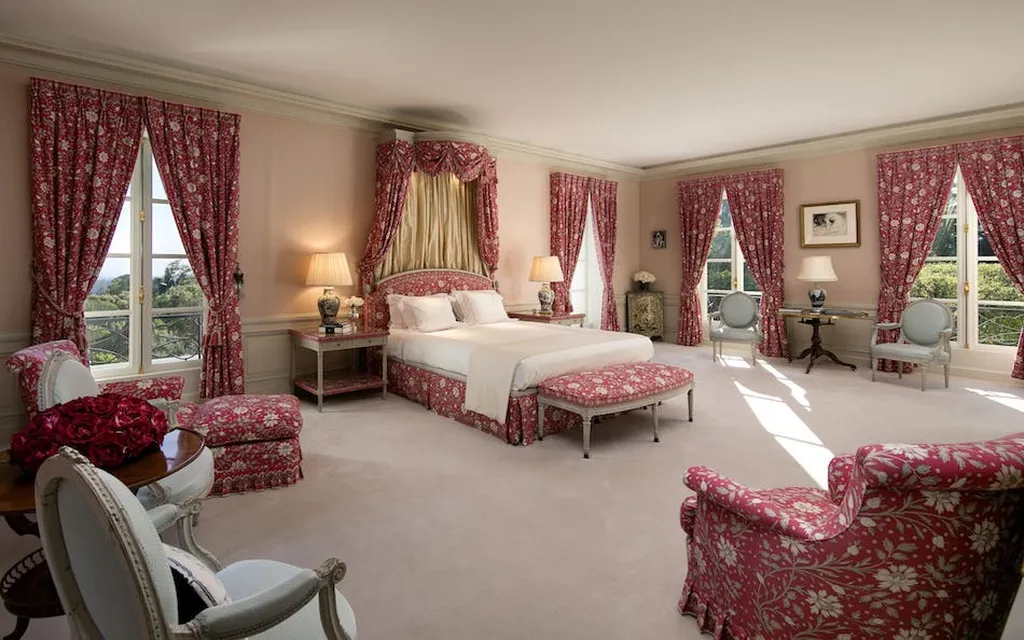
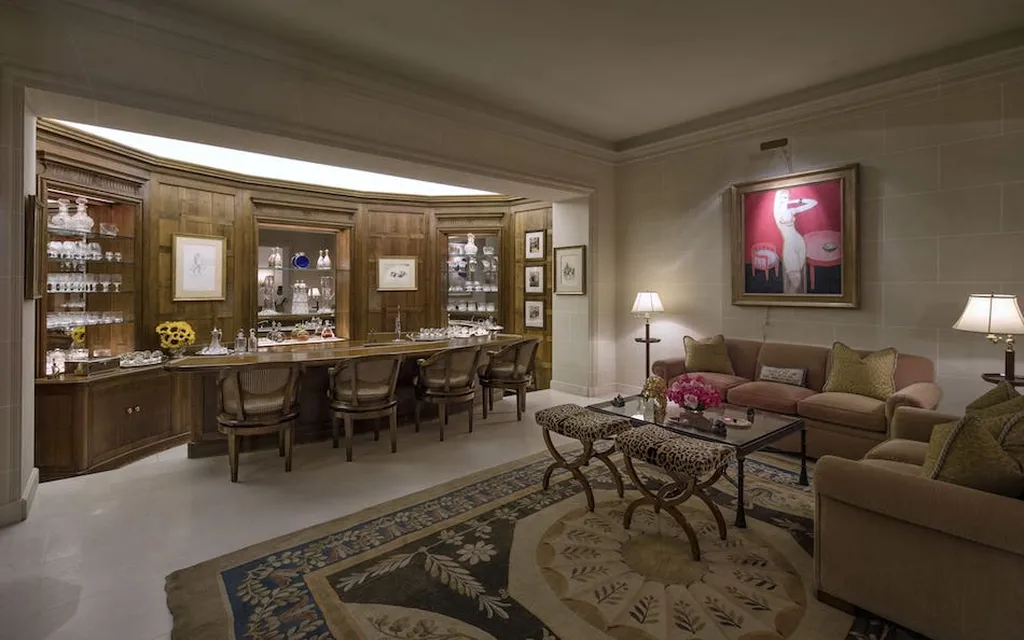
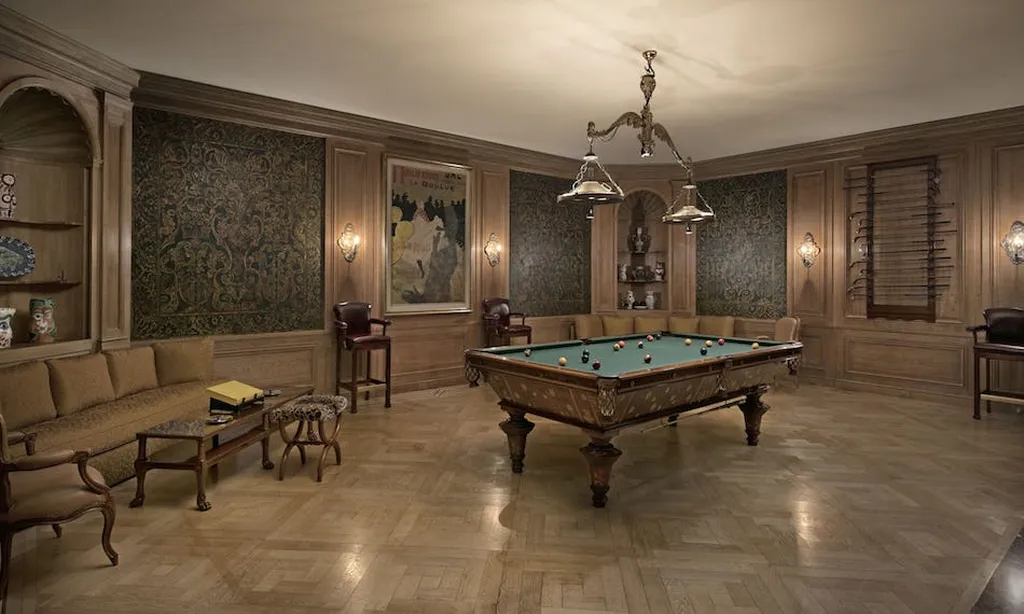
Chartwell is not defined by size alone. It reflects a deliberate approach to land, architecture, and long term ownership. The original design by architect Sumner Spaulding emphasizes symmetry, proportion, and a refined European influence that remains rare in newer developments.
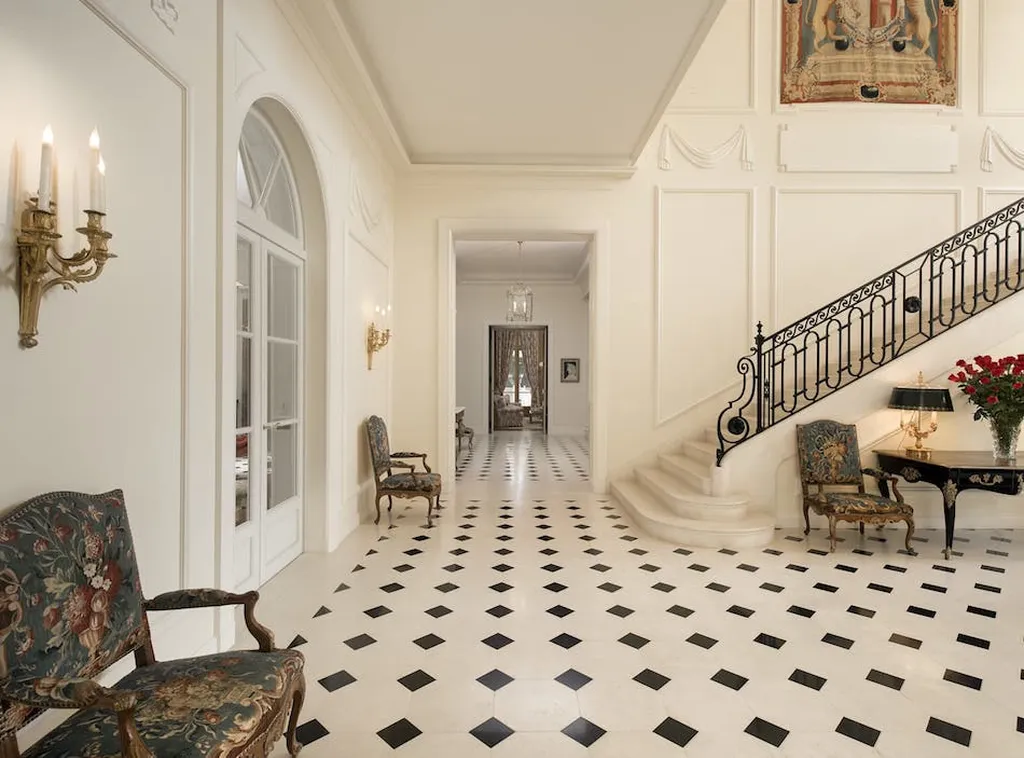
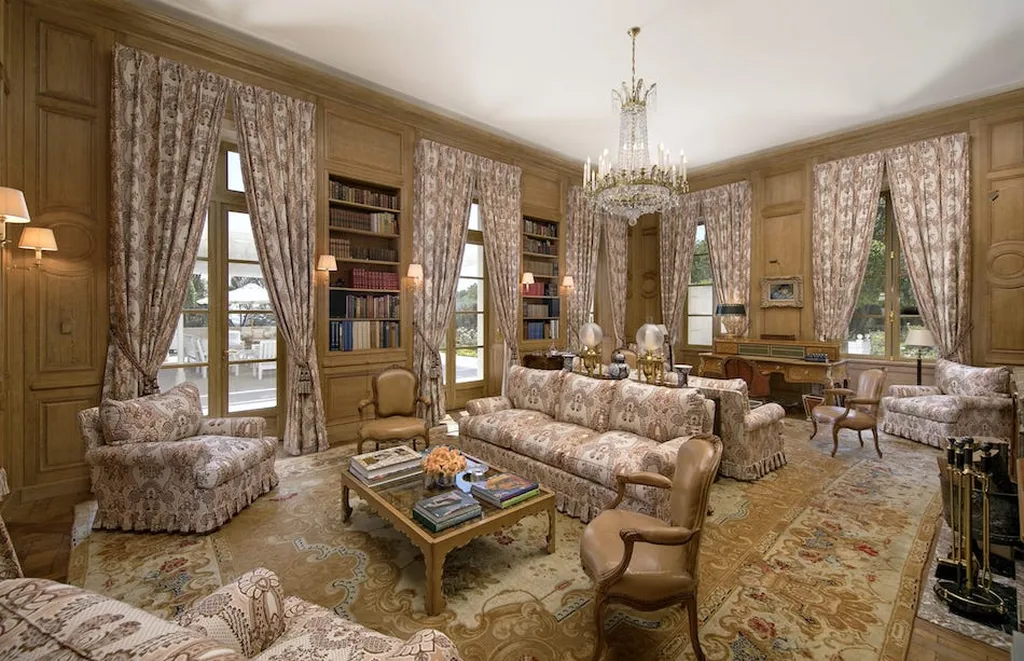
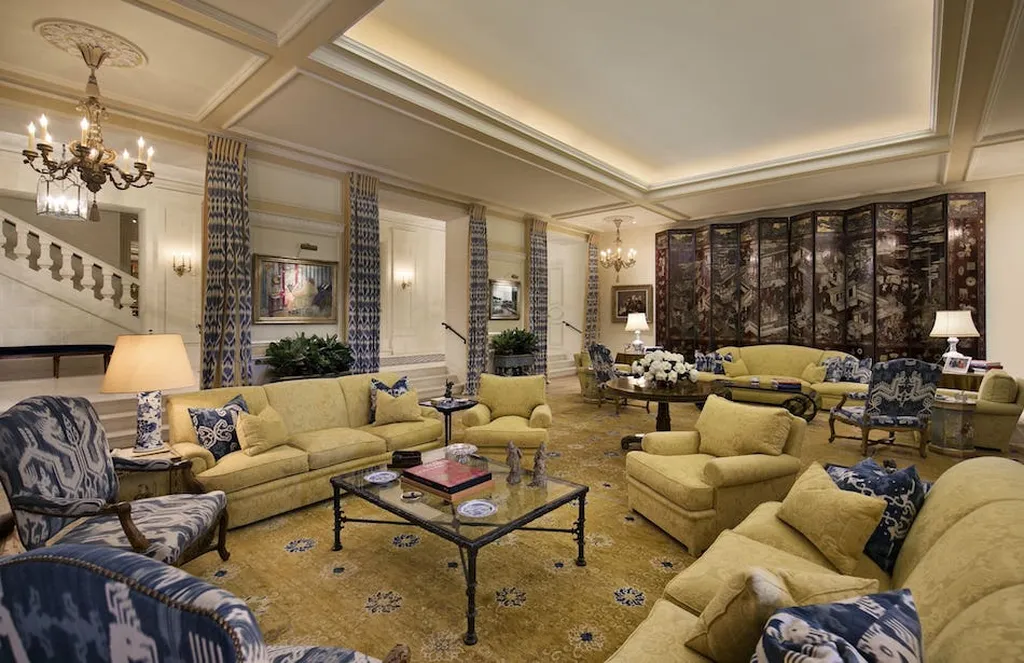
Following its acquisition in 1986, A Jerrold Perenchio undertook an extensive multi year renovation that rebuilt much of the interior while preserving the architectural identity. More importantly, he expanded the estate beyond its original footprint.
ADVERTISEMENT
ADVERTISEMENT
ADVERTISEMENT
ADVERTISEMENT
ADVERTISEMENT
ADVERTISEMENT
ADVERTISEMENT
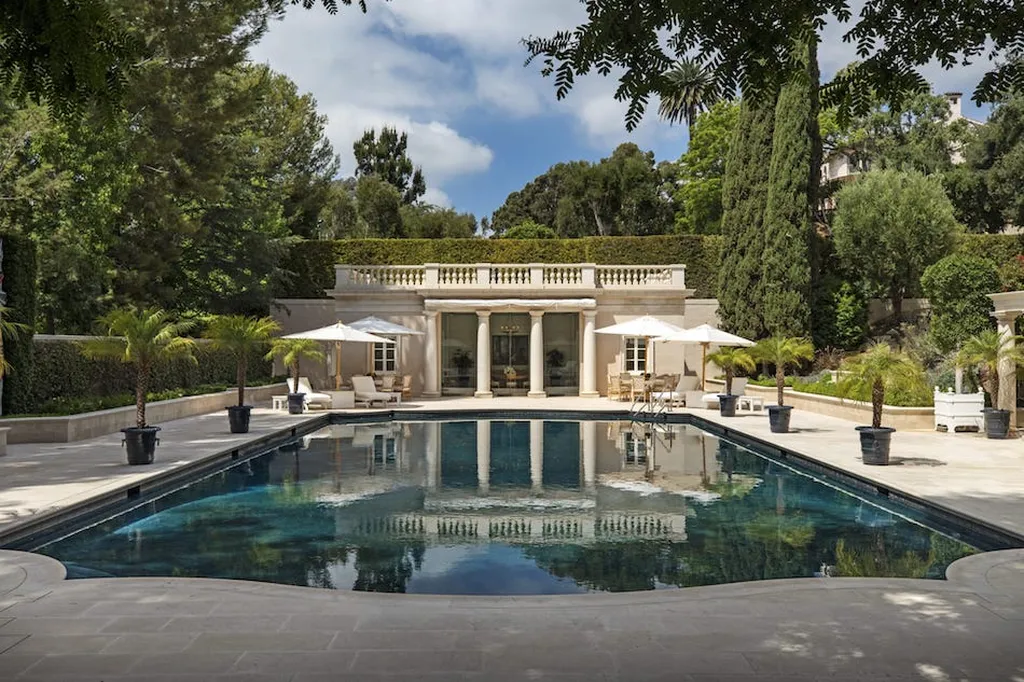
Adjacent parcels were gradually assembled, transforming the property into a private compound. One neighboring residence became a guest house of approximately 5,700 square feet. Another parcel was cleared to create a formal approach, while additional land was reshaped into open lawns and a private helipad.
This type of expansion is increasingly difficult to achieve today, even among the largest homes in California, where land availability and zoning constraints limit long term development at scale.
At the same time, the estate reflects a broader truth at the highest tier of the market. Properties shaped by a single vision often achieve architectural distinction, but that same specificity can reduce flexibility when ownership changes.
Ownership, Pricing, and Market History
Chartwell’s ownership history reflects a convergence of media influence, long term vision, and market recalibration.
The estate was acquired in 1986 by A Jerrold Perenchio for approximately $14 million. Over several decades, he transformed it into one of the most significant private estates in Los Angeles, combining architectural preservation with strategic land expansion.
His approach was rooted in legacy rather than resale. The residence was furnished with European antiques, and his art collection, valued in the hundreds of millions, was later donated to the Los Angeles County Museum of Art.
ADVERTISEMENT
Following his death in 2017, the estate entered the market with an asking price of $350 million, positioning it among the most ambitious residential listings ever introduced in the United States.
The response from the market was more measured.
The price was reduced to $195 million, and in 2019 the property sold for approximately $150 million to Lachlan Murdoch. At the time, it became the most expensive home ever sold in Los Angeles.
The pricing trajectory is revealing. It demonstrates that even estates with global recognition and architectural pedigree must ultimately align with buyer expectations.
Comparable properties such as The Manor in Los Angeles and Villa Firenze have shown similar patterns, where scale and ambition alone did not sustain initial valuations.
More broadly, the transaction reflects a shift in how ultra high net worth buyers evaluate trophy properties. Prestige remains important, but liquidity, usability, and long term positioning now play a defining role.
According to the listing agent:
Chartwell was presented as a rare legacy estate offering a combination of scale, privacy, and cultural recognition that is increasingly difficult to replicate. Its assembled acreage and architectural pedigree positioned it among a limited group of properties that define the upper tier of the Los Angeles market.
Chartwell ultimately illustrates a broader reality within the California luxury real estate market. Even the most iconic estates must reconcile ambition with market demand. At this level, value is not fixed. It is negotiated over time.