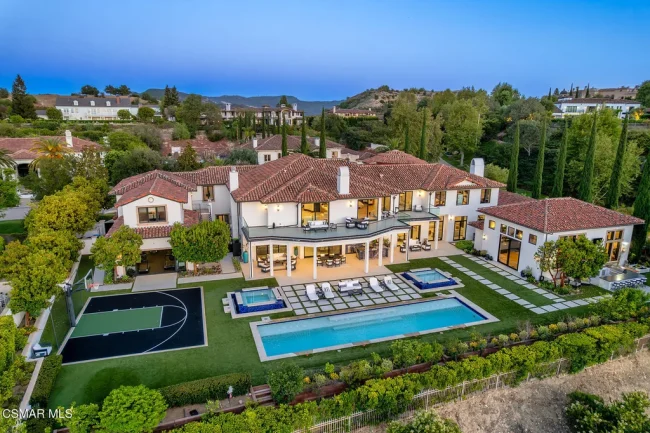
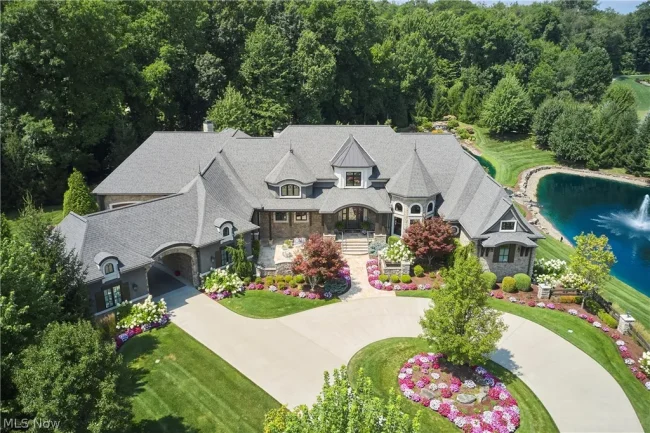
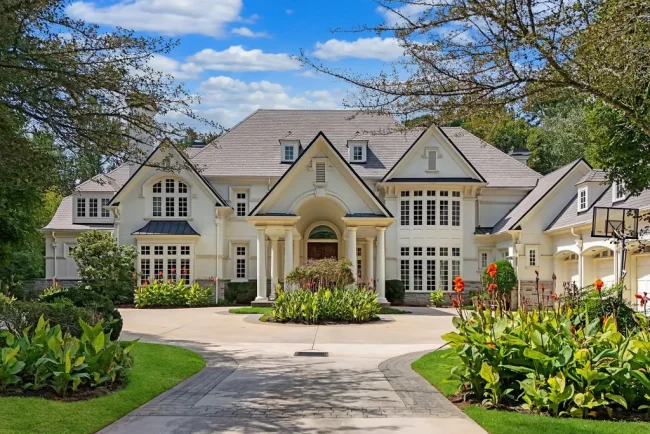
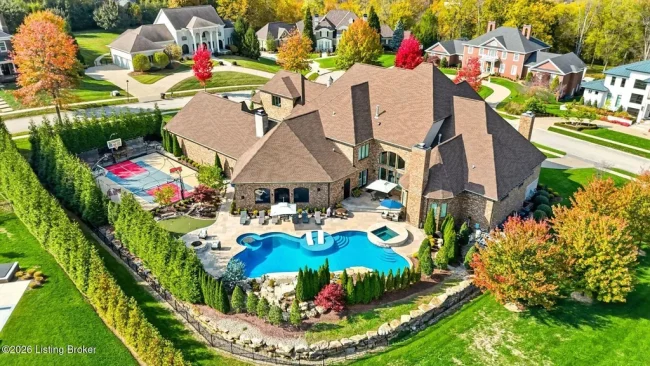
A Bel Air Estate That Redefines the Upper Limits of Global Luxury
ADVERTISEMENT
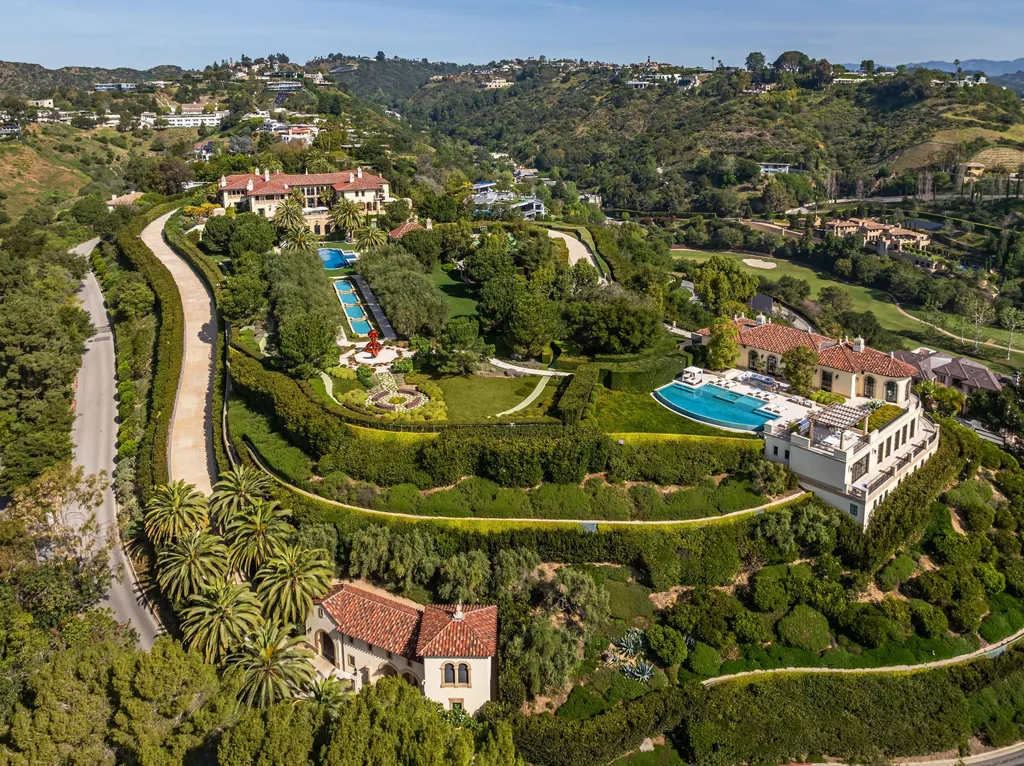
The Estate on Chalon Road in Bel Air Los Angeles
Property Overview
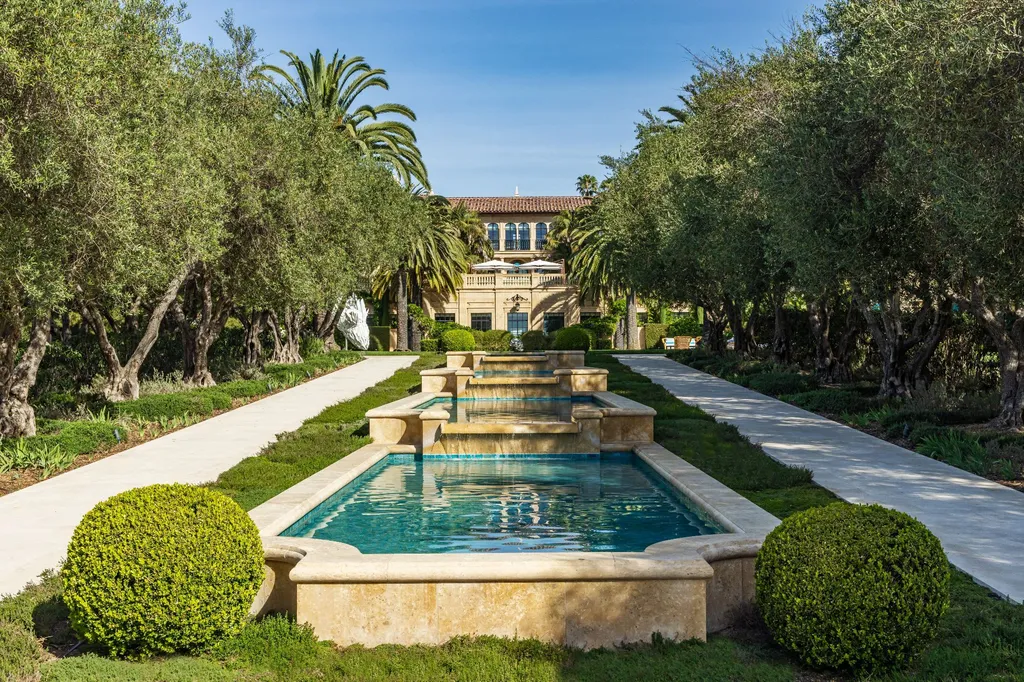
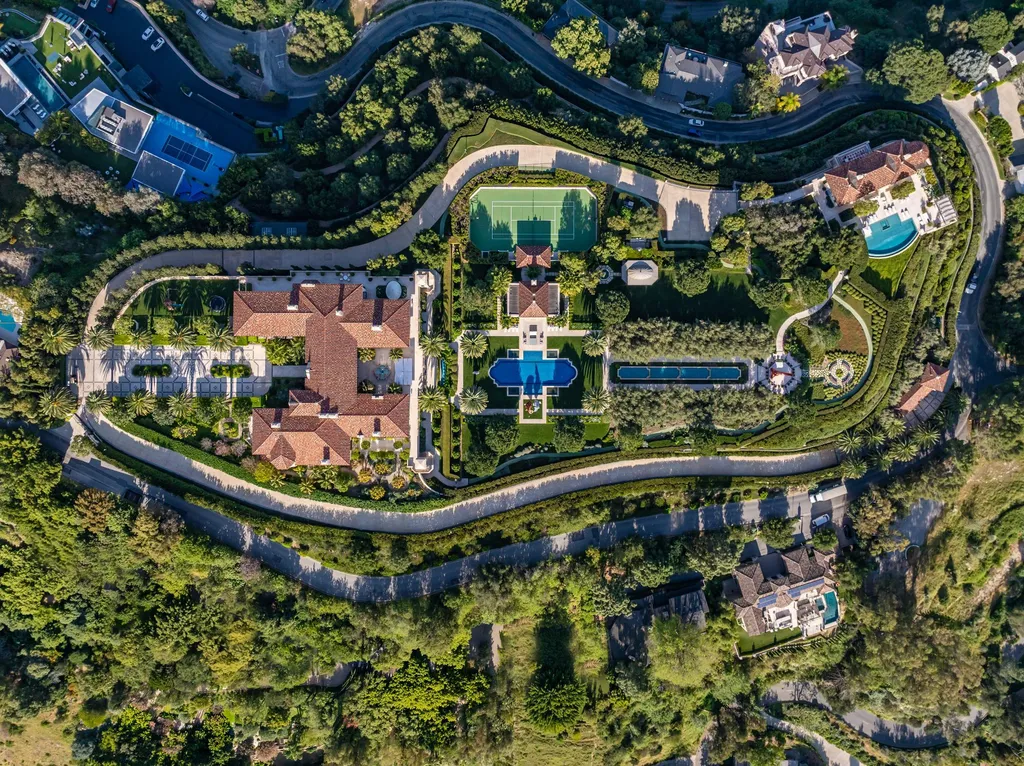
High above Los Angeles, on one of the most coveted promontories in Bel Air, the estate at 11201 Chalon Road represents a new threshold in global real estate. Offered at $400 million, it stands as the most expensive home ever publicly listed, a figure that immediately places it beyond the conventional framework of luxury housing.
ADVERTISEMENT
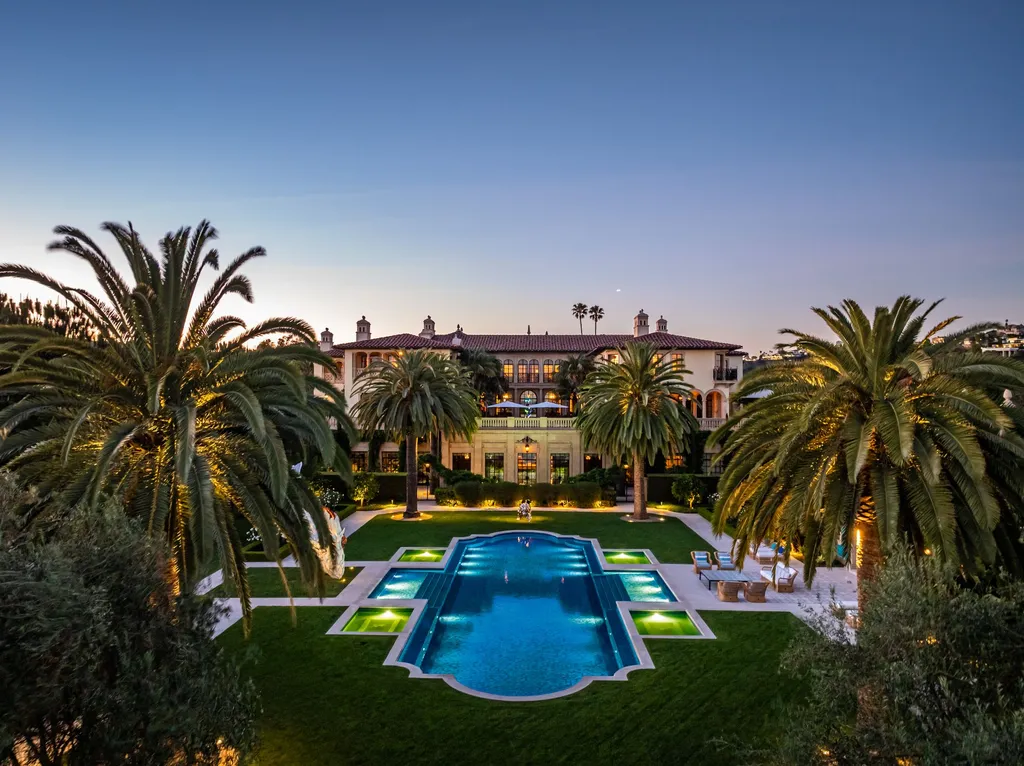
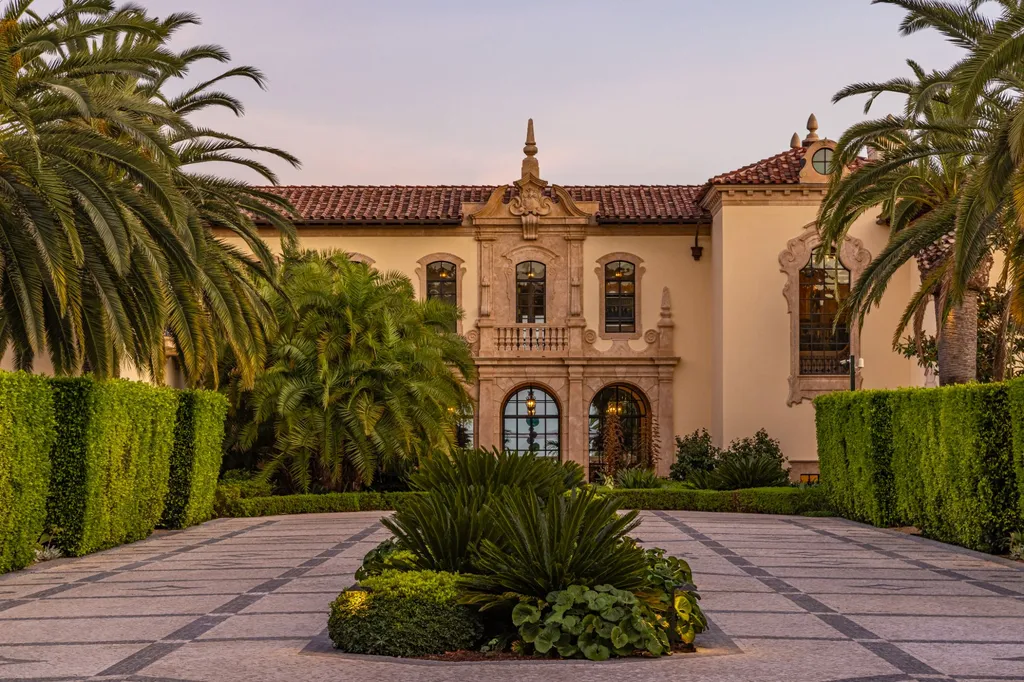
Spanning approximately 70,000 square feet across nearly eight acres, the property was developed over the course of a decade as a fully realized private compound. Designed by Peter Marino, the estate reflects a level of ambition that extends beyond architecture into something closer to a long term statement of wealth, control, and permanence within the California luxury real estate market.
Few properties are ever built at this scale. Fewer still are brought to market in a way that invites direct comparison.
Key Property Details
- Location: Bel Air, Los Angeles, California
- Living Area: approximately 70,000 square feet
- Lot Size: approximately 7.86 acres
- Bedrooms: 39
- Bathrooms: 59
- Year Completed: 2018
- Architect: Peter Marino
- Construction Lead: Peter McCoy
Scale, Design, and Living Experience
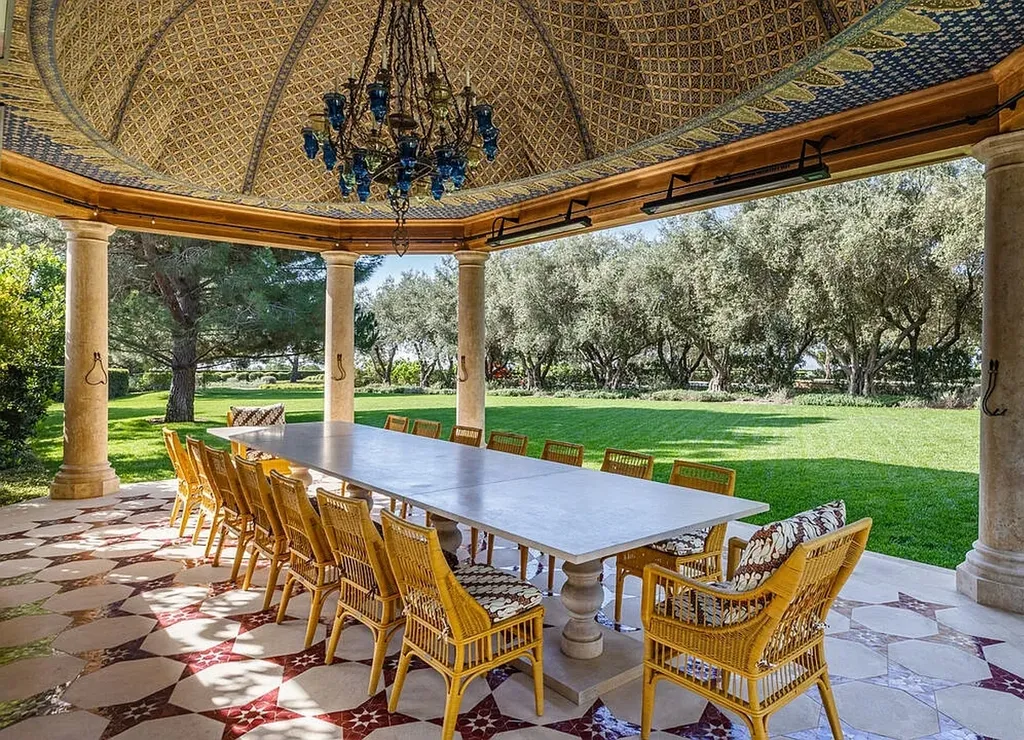
The estate is not defined by a single residence, but by a system of structures designed to operate as a unified private environment.
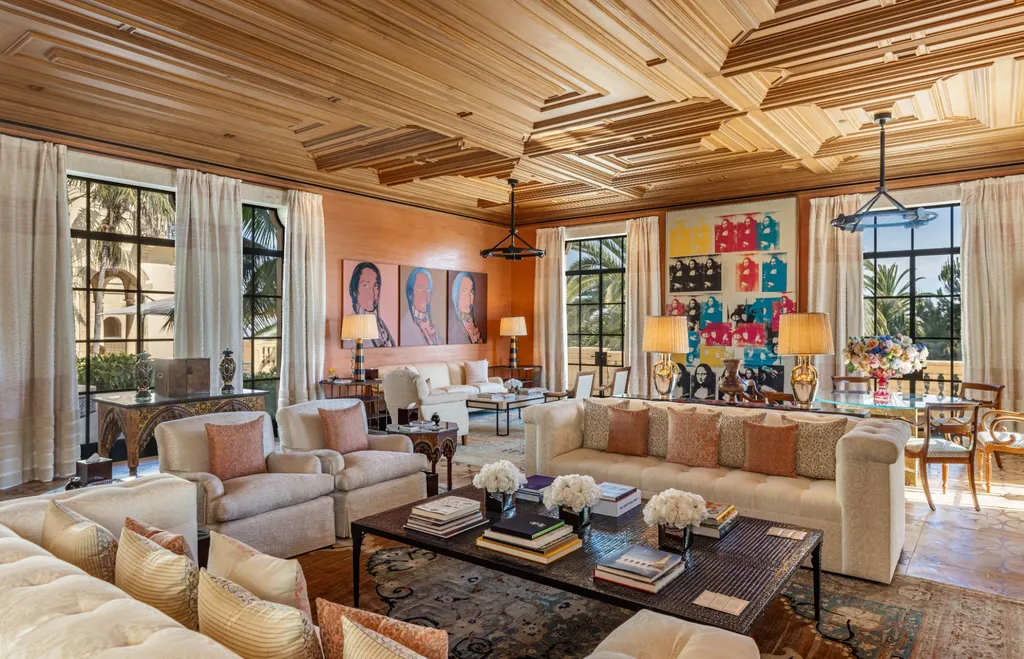
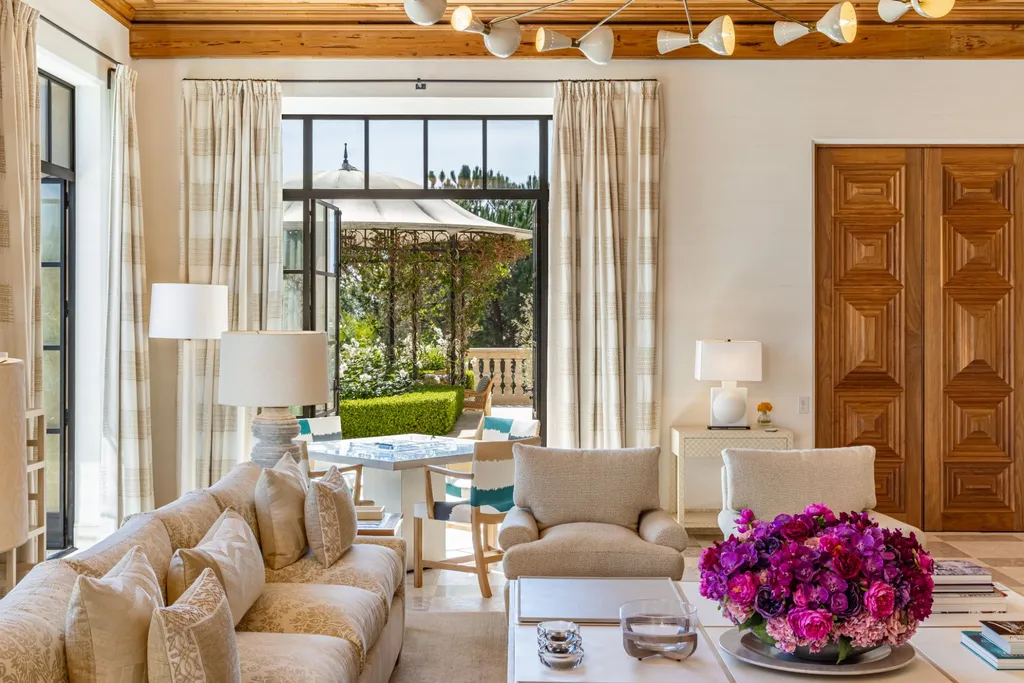
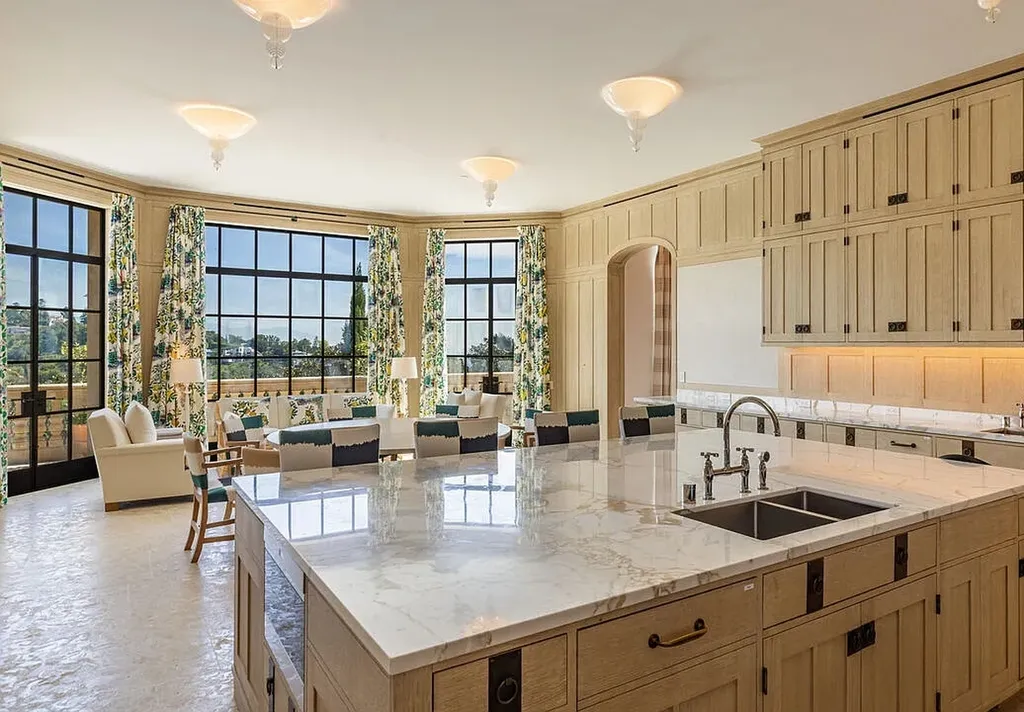
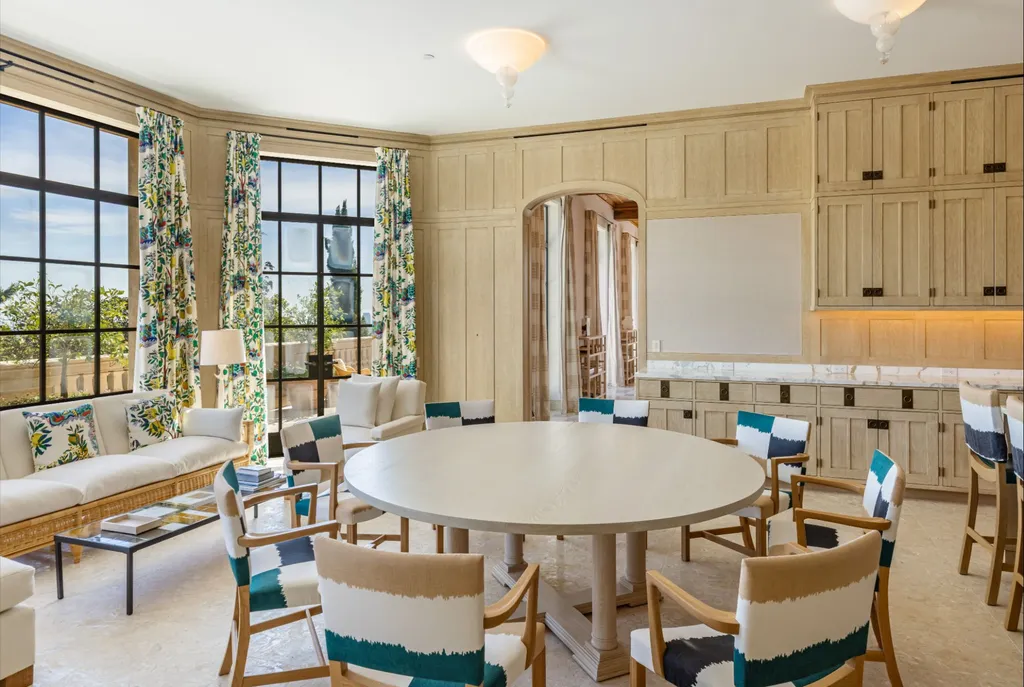
The main residence includes ten primary family bedrooms alongside thirteen staff bedrooms, carefully integrated into the layout to maintain operational efficiency without disrupting the experience of the home. A separate guest compound expands the estate’s capacity, with six guest suites and additional staff accommodations that allow the property to function at a scale approaching that of a private resort.
ADVERTISEMENT
ADVERTISEMENT
ADVERTISEMENT
ADVERTISEMENT

What distinguishes the estate is not simply its size, but the level of planning behind it. Circulation, service flow, and spatial hierarchy have been engineered with precision. The result is a property that feels structured rather than excessive.
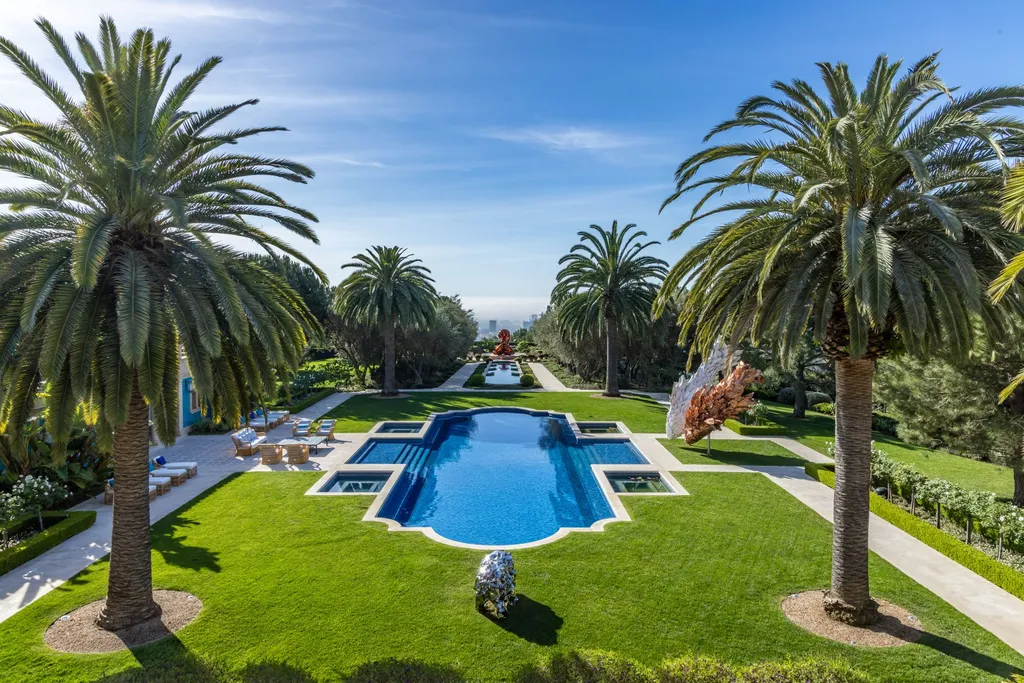
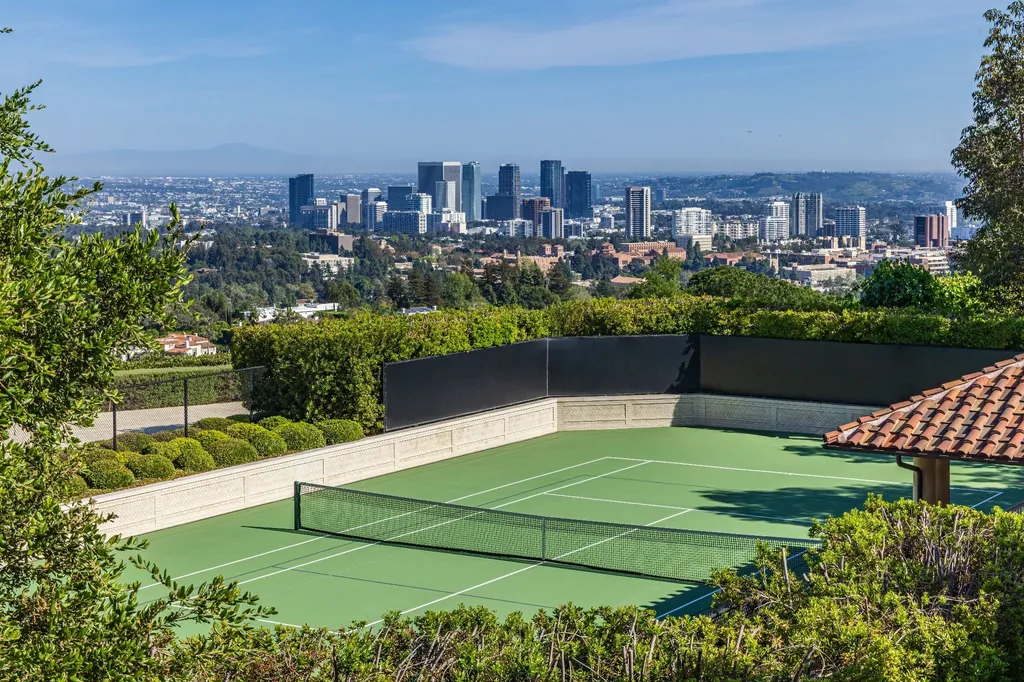
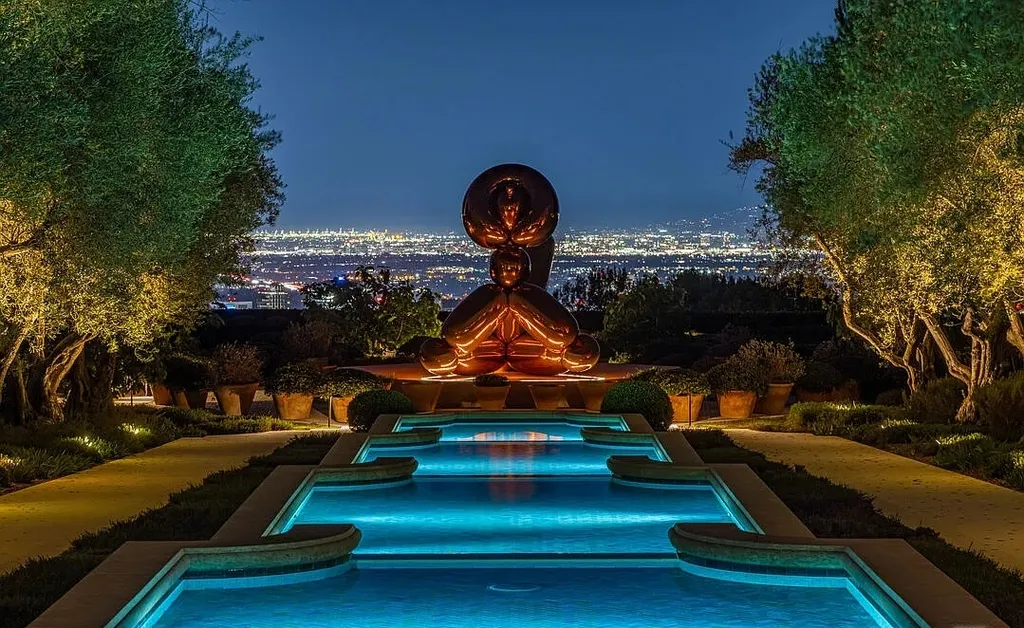
The land itself is equally significant. Set on a rare flat promontory, the estate offers uninterrupted views across Los Angeles from downtown to the Pacific Ocean while overlooking the Bel Air Country Club. In a market where most hillside estates sacrifice usable space for elevation, this balance is exceptionally difficult to achieve, even among the largest homes in California.
ADVERTISEMENT
ADVERTISEMENT
ADVERTISEMENT
Ownership, Pricing, and Market Context
The estate entered the market in 2026 at an asking price of $400 million, immediately establishing a new reference point for the global luxury real estate market.
To understand the significance of that number, it is necessary to examine the trajectory of recent landmark properties in Los Angeles.
The One, developed by Nile Niami, was originally marketed at prices that reached as high as $500 million during its early promotional phase. Positioned as one of the most ambitious private residences ever built, it attracted global attention as a symbol of speculative scale.
The outcome, however, was markedly different. Following financial distress and a court ordered sale, the property ultimately sold in 2022 for approximately $126 million to Richard Saghian. The gap between expectation and execution became one of the clearest illustrations of pricing misalignment at the highest tier of the market.
Chartwell Estate followed a different but related trajectory. Initially listed at $350 million, the Bel Air property ultimately sold for approximately $150 million to Lachlan Murdoch, setting a record for Los Angeles while still reflecting a significant adjustment from its original positioning.
Against this backdrop, the Chalon Road estate is entering the market with a fundamentally different challenge. It is not simply seeking a buyer. It is testing whether a new pricing ceiling can be established under current market conditions.
Who Buys at This Level
ADVERTISEMENT
The buyer pool for a property at $400 million is extremely narrow and highly global.
At this level, acquisitions are rarely driven by traditional residential needs. Instead, they are shaped by broader considerations that include capital preservation, geopolitical positioning, and portfolio diversification. Real estate becomes one component within a larger framework of assets that may include commercial holdings, private equity, and significant art collections.
These buyers are not evaluating price per square foot. They are evaluating whether an asset is irreplaceable.
This distinction explains why properties at this level often remain on the market for extended periods. The decision is not constrained by urgency. It is defined by alignment.
Market Friction at the Highest Tier
Despite the expansion of global wealth, the ultra luxury segment remains constrained by a fundamental imbalance.
The number of properties that can command prices above $100 million is limited. The number of buyers capable of transacting at $300 million or $400 million is smaller still. This creates a layer of market friction where pricing becomes aspirational before it becomes transactional.
The history of The One demonstrates how speculative scale can exceed market absorption. The trajectory of Chartwell shows how even legacy estates must adjust to buyer expectations. Together, these examples reveal a consistent pattern.
At the highest level, value is not determined by cost, scale, or visibility alone. It is determined by whether a property aligns with a specific buyer at a specific moment in time.
More broadly, this reflects a shift in global wealth behavior. As capital becomes more concentrated, buyers at the very top are increasingly selective, prioritizing assets that combine rarity with long term strategic value rather than those defined purely by size or headline ambition.
According to listing agents Jack Harris and Michael Fahimian of The Beverly Hills Estates:
“The estate represents a rare convergence of scale, privacy, and architectural execution, with a level of land composition and design detail that is increasingly difficult to achieve in Los Angeles.“
The estate on Chalon Road ultimately represents more than a record setting listing. It marks a moment where architecture, land, and capital intersect at a level rarely seen in residential real estate.
At this scale, a home is no longer simply a place to live. It becomes a test of how far the concept of private ownership can be pushed before it confronts the limits of what the market is willing to absorb.