Cost of Owning a Luxury Home in California
ADVERTISEMENT
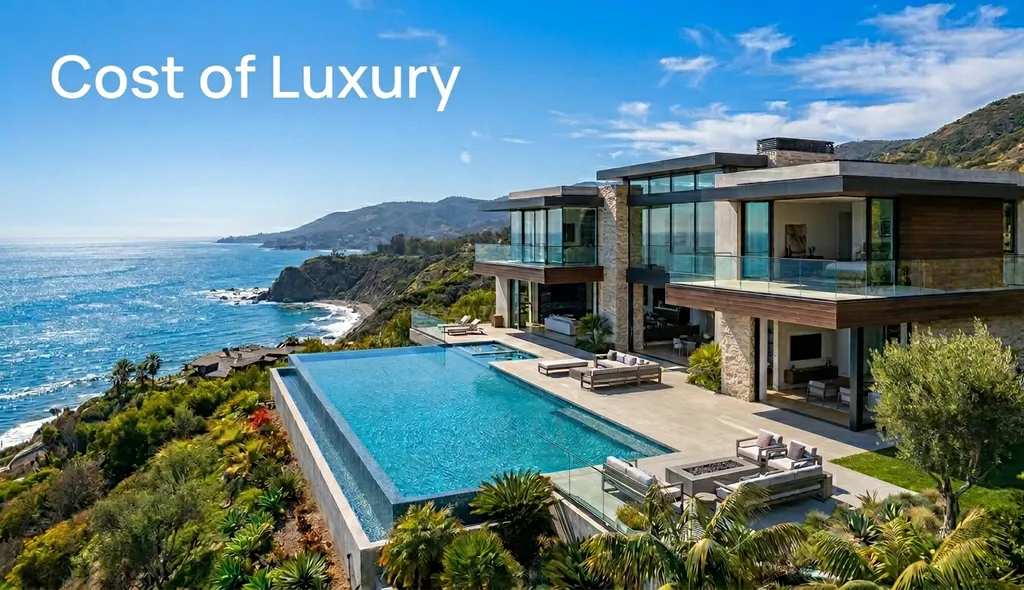
Owning a luxury home in California is not defined by the purchase price. It is defined by the cost of keeping it.
At the high end of the market, ownership is a continuous financial commitment that can quietly reach hundreds of thousands of dollars per year. In some cases, the cost of holding a property becomes a decisive factor in whether it sells at all.
This is not about how homes are priced. It is about what it takes to sustain ownership over time.
The Real Cost Structure Behind Luxury Ownership
The ongoing cost of a luxury home in California can be broken down into four core components:
Annual Cost = Property Tax + Maintenance + Insurance + Operations
Each component scales with property value, but not at the same rate. Over time, these costs determine whether a property remains financially viable for its owner.
For a broader context of the California luxury real estate market, see our California Luxury Real Estate Market Guide.
Property Tax Sets the Financial Baseline
Property tax is the most stable cost, but also one of the largest.
In California, effective rates typically fall between 1.0% and 1.25% of assessed value.
A real luxury property with an assessed value of approximately $7.4 million generated an annual tax bill of $89,235 in 2025, reflecting how quickly baseline costs accumulate.
At higher price levels, this number scales aggressively. A $40 million property, similar to those featured among the largest homes in California, can carry annual tax obligations approaching or exceeding $400,000 per year, regardless of whether the home is actively used.
Maintenance Expands With Scale and Complexity
Maintenance is not linear. It expands with size, customization, and architectural complexity.
A typical benchmark is 1% to 2% of property value annually, but luxury estates often exceed this range.
For example:
- $7M home → ~$70K–$140K/year
- $40M estate → ~$400K–$800K/year
Large properties require continuous upkeep across landscaping, pools, structural systems, and high-end finishes.
Deferred maintenance is not neutral. It directly impacts resale value.
Insurance Has Become a Structural Cost
Insurance in California is no longer a predictable line item.
Wildfire exposure, coastal conditions, and rebuilding costs have pushed premiums significantly higher, especially in luxury segments.
Typical ranges include:
- Standard luxury homes: $10K–$30K/year
- High-risk or large estates: $30K–$100K+/year
In some cases, insurance availability itself becomes a constraint, forcing owners into specialized markets at higher cost.
Operating Costs Reflect Lifestyle, Not Just Size
Operating costs scale with how the property is used.
Large homes require more energy, more water, and more systems to maintain daily functionality.
Typical annual costs include:
- Utilities: $15K–$30K
- Landscaping and pool services: $15K–$40K
- Security, smart systems, and services: $10K–$30K
At the highest level, staffing becomes part of ownership, adding additional layers of cost.
Case Study: A $7.4M Property and the Hidden Annual Burden
ADVERTISEMENT
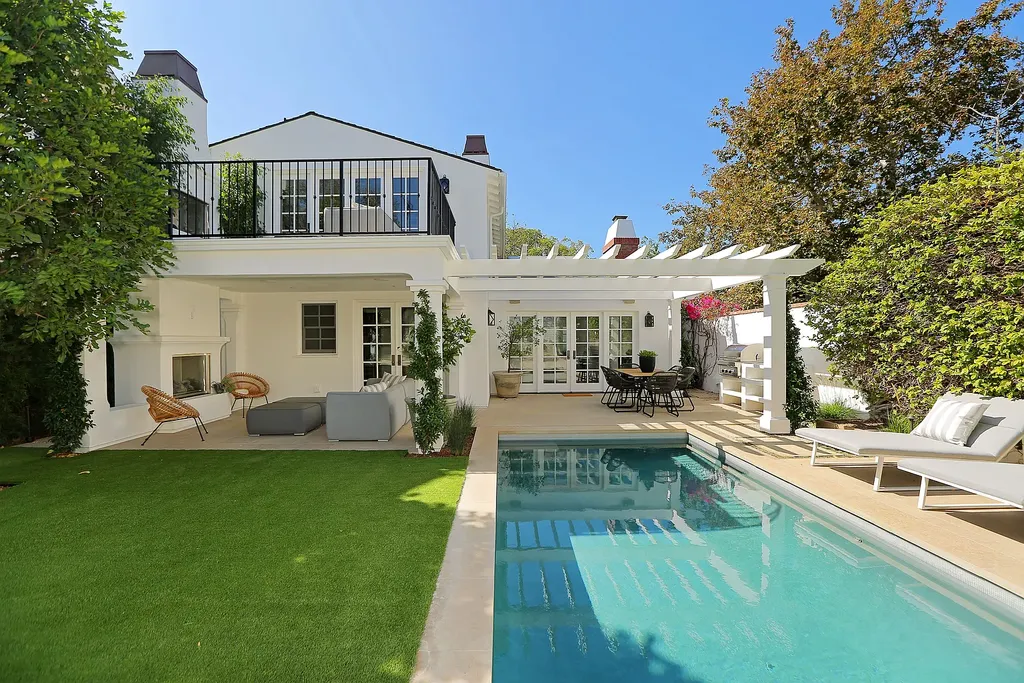
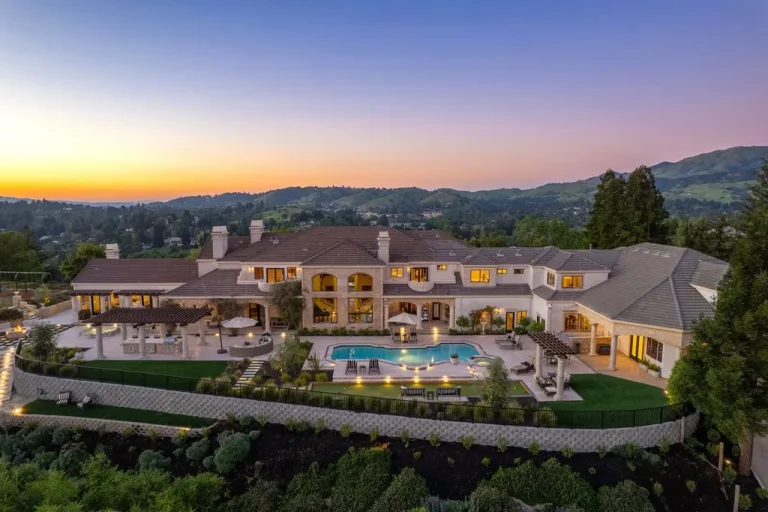
A real luxury property with an assessed value of approximately $7.4 million provides a clear baseline.
Annual cost breakdown:
- Property tax: ~$89,000
- Maintenance: ~$100,000
- Insurance: ~$20,000
- Operations: ~$25,000
Total: ~$230,000 per year
This cost exists independently of mortgage or financing.
Over a decade, this represents more than $2 million in additional ownership cost.
Case Study: When Cost Meets Liquidity Limits
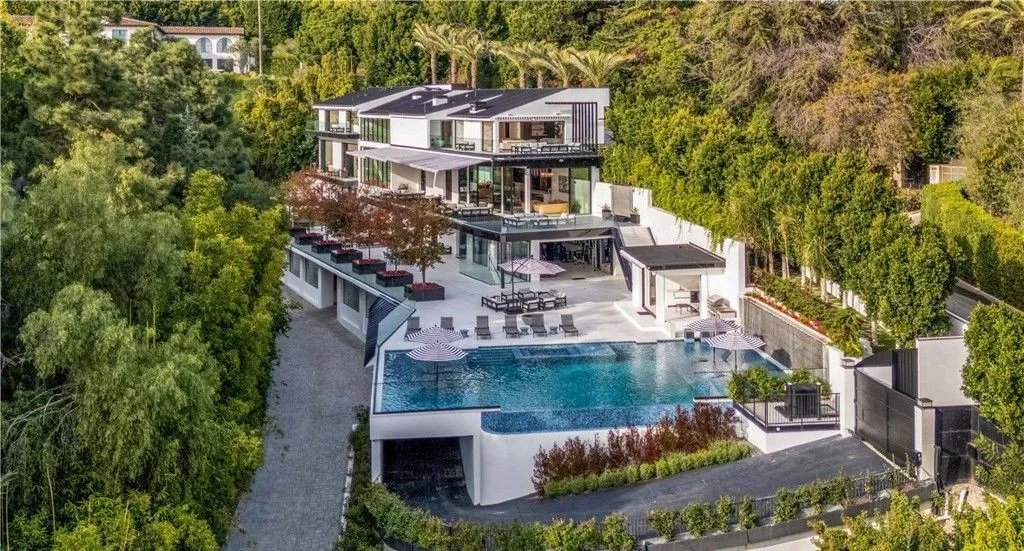
At the extreme high end, ownership cost can directly affect market outcomes.
A luxury property listed at approximately $40 million in Los Angeles failed to secure a buyer and was eventually removed from the market.
At this level, the annual holding cost can easily exceed:
- Property tax: ~$400K
- Maintenance: ~$500K+
- Insurance: ~$50K+
- Operations: ~$100K+
Total: $1 million per year or more
When a property does not sell, these costs accumulate rapidly, increasing pressure on the seller.
This dynamic is closely tied to California luxury real estate market trends, where extended time on market often leads to pricing adjustments.
It also connects directly to what drives luxury home prices in California, where cost and liquidity interact.
Cost Pressure Influences Pricing Behavior
Ownership cost is not separate from pricing. It actively shapes it.
Properties with high carrying costs are more sensitive to time on market. The longer a property remains unsold, the greater the financial pressure on the owner.
This often leads to price reductions, relisting cycles, or withdrawal from the market, a pattern that can also be observed among the most expensive homes in Malibu as sellers adjust to shifting buyer expectations.
Cost becomes a forcing mechanism that pushes prices toward alignment with buyer demand.
Lifestyle Features Increase Both Value and Cost
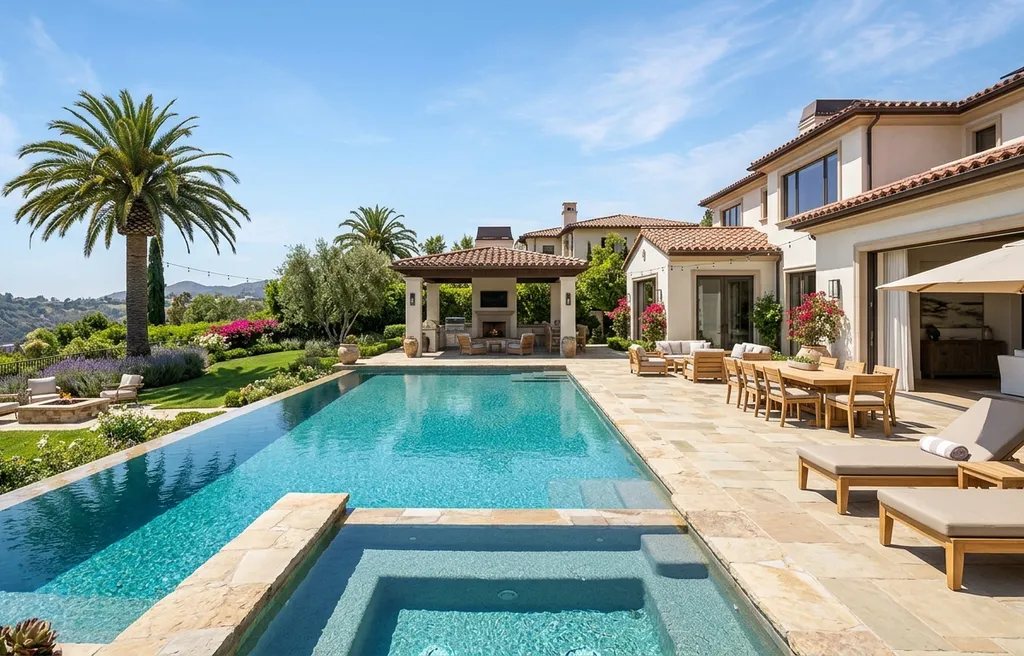
Luxury homes in California are designed around lifestyle.
Outdoor living, views, privacy, and architectural design all increase desirability. They also increase cost.
This is particularly visible in oceanfront mansions in California, where environmental exposure significantly increases both maintenance and insurance costs.
ADVERTISEMENT
The Hidden Cost Is Time and Complexity
Beyond financial cost, ownership requires ongoing management.
Coordinating maintenance, managing contractors, and maintaining standards adds complexity that many owners underestimate.
At higher levels, this leads to the need for property managers or full-time staff.
Ownership Cost Defines Long-Term Value
The purchase price of a luxury home is a single transaction. Ownership cost is continuous.
Over time, the cost of maintaining the property becomes a defining factor in its overall value.
Homes that are not maintained lose alignment with buyer expectations and, ultimately, market price.
The True Cost of Luxury
The real cost of owning a luxury home in California is not the entry price. It is the ongoing commitment required to sustain the property at the level the market expects.
In a market that increasingly filters properties based on quality, condition, and usability, ownership cost is no longer a background factor.
It is part of the price itself.